
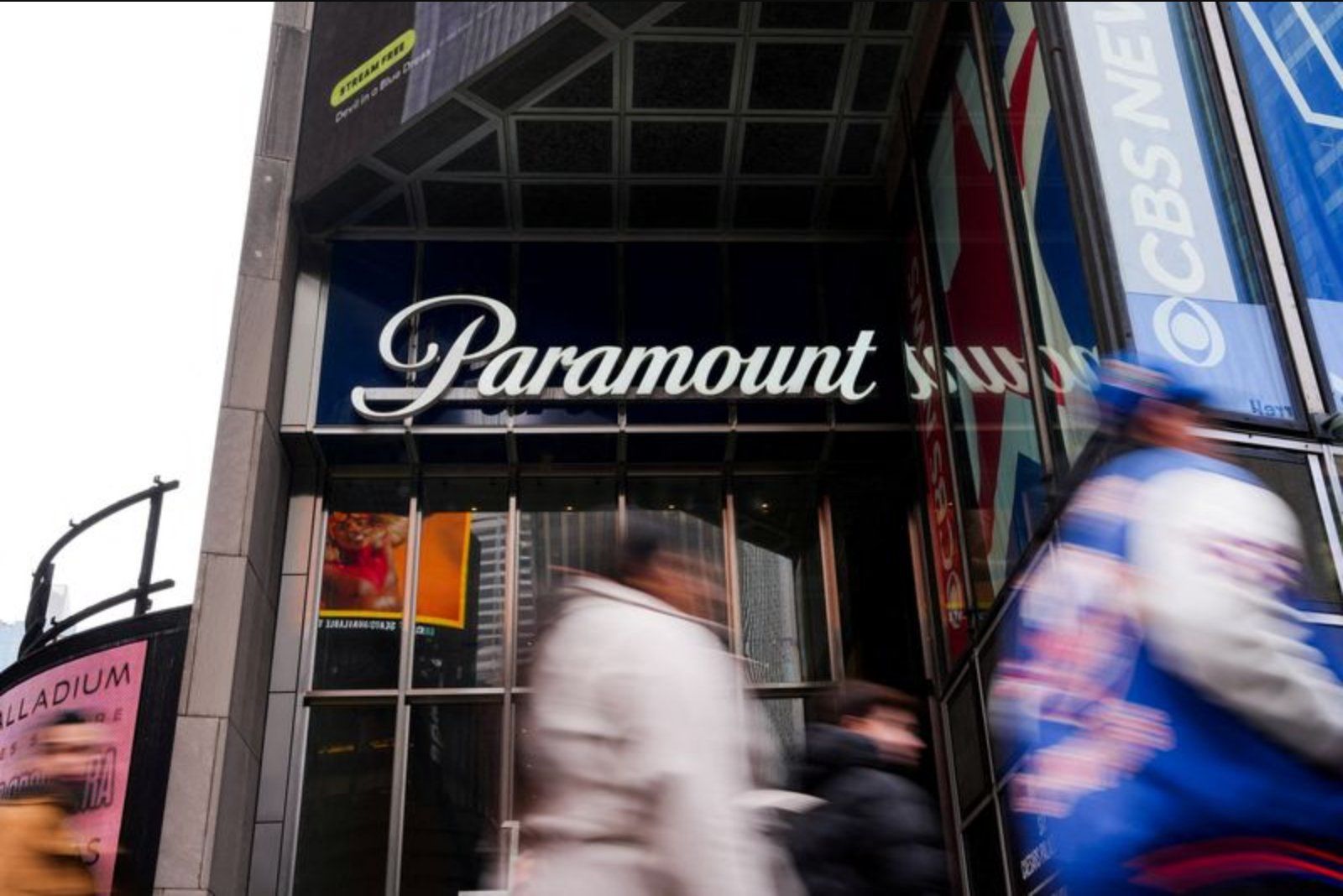
Executives representing a large movie exhibition trade group told thousands gathered at CinemaCon in Las Vegas that the proposed acquisition of Warner Bros Discovery by Paramount Skydance would centralize too much market power and inflict negative consequences on both audiences and the industry.
Warner Bros Discovery agreed in March to be acquired by David Ellison’s Paramount Skydance in a $110 billion transaction after Netflix withdrew from the bidding, and the planned combination has drawn organized opposition from cinema owners.
At the convention, Cinema United President and CEO Michael O’Leary spoke directly to theater operators and other attendees, saying the proposed merger would be detrimental. "We believe this transaction will be harmful to exhibition, consumers and the entire entertainment ecosystem," he said.
The objections center on worries that merging two major studios - Warner Bros, known for franchises such as "Harry Potter" and "Superman," and Paramount, which produces "Mission: Impossible," "Star Trek" and "Top Gun" - will reduce competition among distributors and ultimately lead to fewer films being released to movie theaters.
Paramount is due to showcase its upcoming releases at CinemaCon later in the week. Company leadership has said the combined studio would put 30 films into theaters annually. Theater operators at the convention expressed skepticism, citing past consolidation activity as a cautionary example.
O’Leary pointed to consequences observed after Walt Disney completed its purchase of Fox’s film studio in 2019. While the two companies released 26 new titles in more than 2,000 U.S. and Canadian theaters before they merged, the combined studio distributed 14 wide releases last year. "Unfortunately, history shows us that consolidation results in fewer films being produced for movie theaters," he said.
Beyond the total number of titles, Cinema United is concerned about how the deal would affect theatrical calendars and the exclusive time periods - or "windows" - during which films play only in cinemas. O’Leary warned that concentrating marketplace power in fewer distributors that set terms, windows, schedules, screen placement and access to archives could leave a lasting imprint on local exhibition businesses and audiences worldwide.
Cinema United said it will press federal, state and international regulators to block the merger. The group framed its campaign as protecting Main Street exhibitors and the millions of moviegoers who attend theatrical screenings.
A Paramount spokeswoman did not immediately respond to a request for comment. David Ellison has said that both studios would continue to operate independently and that the consolidation could preserve and potentially expand employment.
Industry resistance has not been limited to theater owners. More than 1,000 Hollywood actors and filmmakers have signed a letter opposing the deal, signaling broader creative community concern.
The dispute highlights tensions between studios’ strategic plans and the exhibition sector’s interest in a diverse, steady theatrical slate. Theater owners at CinemaCon signaled they intend to maintain a regulatory challenge to the proposed transaction while monitoring claims the combined company will sustain a high-volume theatrical release schedule.