
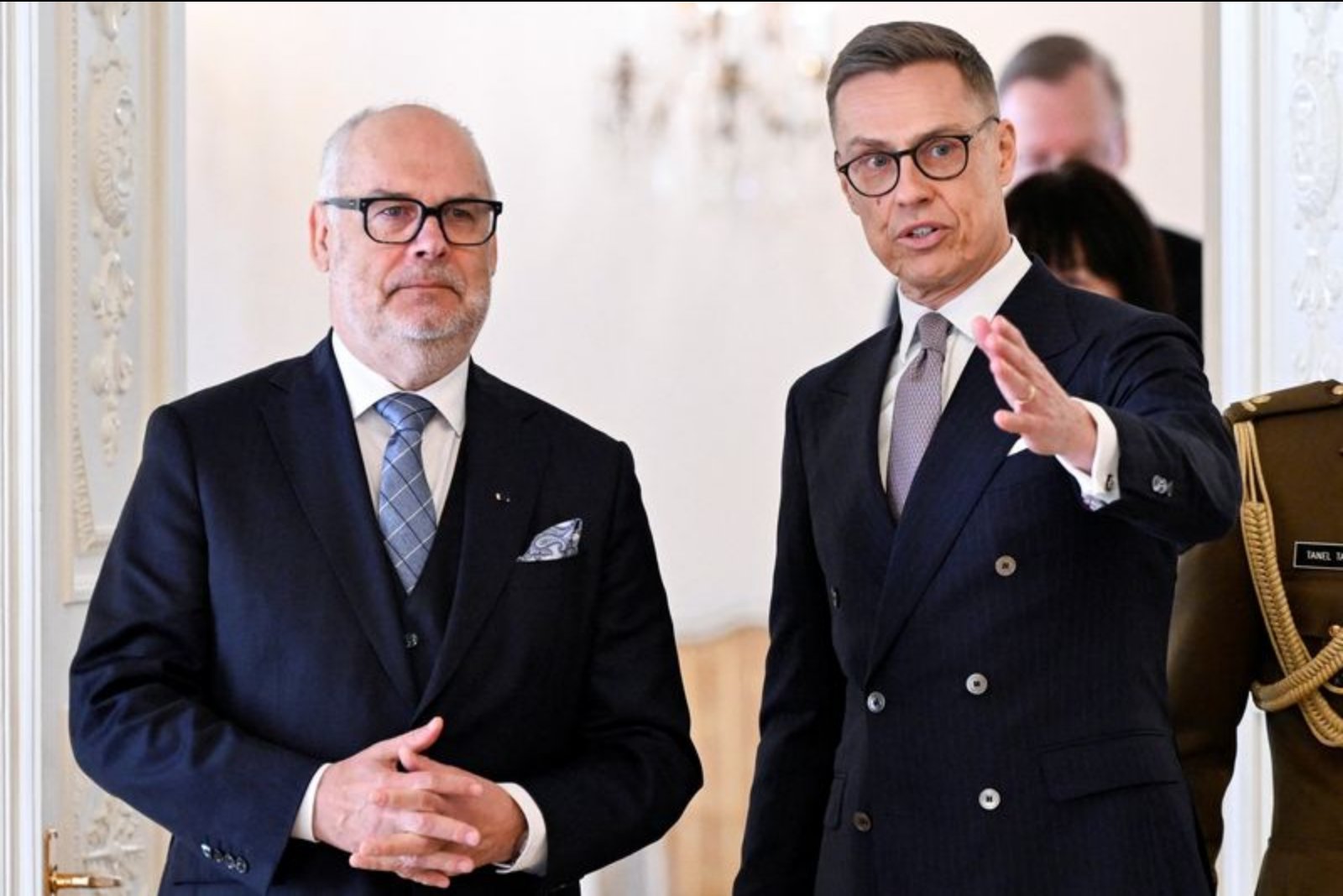
Leaders in Helsinki and Tallinn said on April 28 that selected U.S. defence shipments destined for Europe are being postponed as American stocks are reallocated in response to the ongoing war in the Middle East.
Finnish President Alexander Stubb said parts of U.S. inventory are being sent to other locations because of the war in Iran, but he added that he did not regard the diversions as a cause for alarm for Finland.
Estonia's President Alar Karis said he had been informed of delivery delays affecting HIMARS rocket systems. Karis framed the interruptions as a signal that Estonia and Europe as a whole need to accelerate development of their domestic defence industries.
On April 16, Reuters reported, citing sources familiar with the matter, that U.S. officials had notified some European counterparts - including those in the Baltics and Scandinavia - that previously contracted weapons deliveries were likely to be delayed as the Middle East war draws on U.S. weapons stocks.
The comments from the two presidents draw attention to supply pressures on transatlantic defence logistics. While Finland's president characterized the reallocation of U.S. equipment as manageable from Finland's perspective, Estonia publicly acknowledged specific disruption to HIMARS deliveries and used the development to press for faster continental capacity building.
The information available is limited to the statements made by national leaders and the report of U.S. officials alerting partners. The presidents' remarks indicate both immediate operational effects - postponed shipments - and a policy response in the form of renewed emphasis on European defence industrial expansion.
Neither president suggested that their countries face an imminent gap in defence readiness as a result of the delays, but the situation highlights the dependence of some European procurement plans on U.S. stock availability while the conflict in the Middle East continues to draw on those stocks.
Implications for industry and markets
- Procurement schedules tied to U.S. stockpiles may face short-term disruption.
- Heightened attention to domestic defence production could influence industrial investment decisions in Europe.
- Arms contractors and associated supply chains may experience changed delivery timetables tied to reallocation of U.S. stocks.