
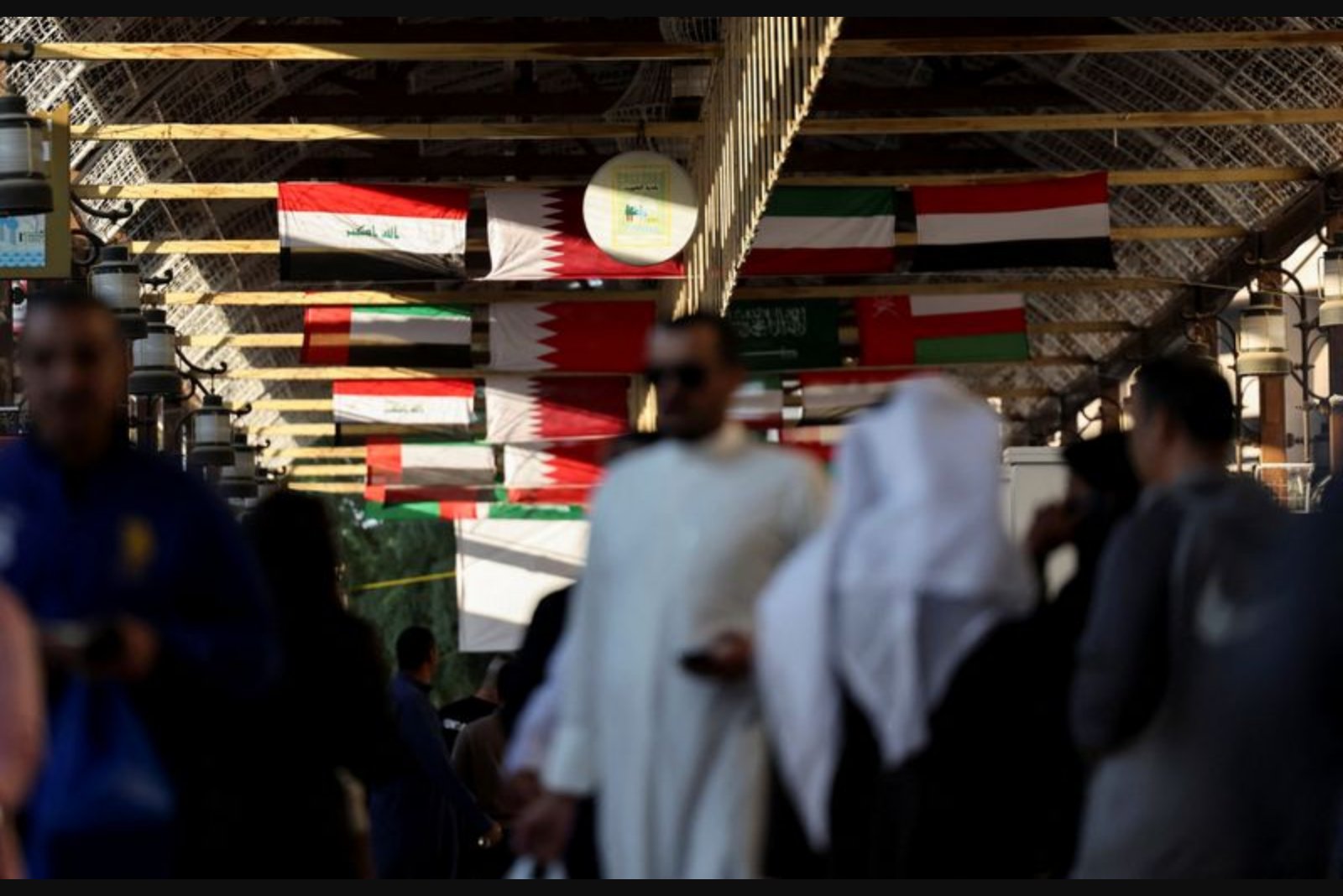
Saudi Arabia is hosting an exceptional Gulf Cooperation Council (GCC) meeting in Jeddah on Tuesday, marking the first face-to-face summit of Gulf leaders since their countries were drawn onto the front line of the conflict with Iran two months ago.
A GCC official who spoke on condition of anonymity said the gathering is focused on formulating a response to the thousands of missile and drone attacks Gulf states have endured since the United States and Israel launched strikes on Iran on February 28 that initiated the current war.
The conflict has inflicted damage on key energy infrastructure across all six GCC member states. In addition to energy facilities, reports indicate that U.S.-linked firms, other civilian infrastructure and military installations have been targeted during the campaign of attacks.
Since a ceasefire between the United States and Iran took effect on April 8, the intensity of strikes has eased. Nevertheless, Gulf capitals remain cautious about the possibility of renewed hostilities. U.S.-Iran negotiations aimed at a permanent settlement to end the conflict have not produced a conclusive agreement to date.
Saudi state media reported that several senior figures arrived in Jeddah to attend the summit, including Qatar's emir, Kuwait's crown prince, Bahrain's king and the United Arab Emirates' foreign minister. It was not clear who would represent Oman, the remaining GCC member alongside Saudi Arabia, which hosts the council's headquarters.
The GCC has faced public criticism from the UAE for what that country described as an inadequate regional response to the war. Senior UAE official Anwar Gargash expressed that criticism directly at a conference in the UAE on Monday.
"It is true that, logistically, the GCC countries supported each other, but politically and militarily, I think their position was the weakest in history," Gargash said. "I expected such a weak position from the Arab League, and I am not surprised by it, but I have not expected it from the GCC, and I am surprised by it."
Key details
- The Jeddah meeting is an extraordinary in-person summit of GCC leaders convened in response to sustained missile and drone attacks attributed to Iran since February 28.
- All six GCC states have reported damage to key energy infrastructure; U.S.-linked firms, civilian infrastructure and military sites have also been targeted.
- Attendance in Jeddah includes leaders and senior officials from Qatar, Kuwait, Bahrain and the UAE; Oman’s representation was not specified.
Sectors potentially affected
- Energy - damage to regional energy infrastructure could affect operations and market sentiment.
- Defense and security - continued strikes and military targeting have implications for regional security arrangements.
- Private firms with U.S. links - firms noted in reporting as having been targeted could face operational and reputational impacts.
Risks and uncertainties
- Resumption of hostilities - despite a reduction in attacks after the April 8 ceasefire, Gulf capitals remain wary of renewed conflict, posing risk to regional stability and energy markets.
- Inconclusive diplomacy - U.S.-Iran talks aimed at a permanent settlement have so far not reached a conclusive deal, leaving the durability of the ceasefire uncertain.
- Political cohesion within the GCC - public criticism from the UAE highlights potential fractures in the council’s political and military posture, creating uncertainty about collective action.
As leaders meet in Jeddah, the stated objective is to agree on a unified approach to protect national infrastructure and respond to the security threats the region has faced. With ceasefire conditions fragile and diplomatic talks unresolved, outcomes from the summit will be watched closely by regional capitals and by actors with exposure to Gulf energy and security developments.