
World April 24, 2026 10:45 PM

U.S. Forces Strike Vessel in Eastern Pacific, Killing Two

Southern Command says the vessel was engaged in narcotics trafficking; rights groups denounce the strikes as unlawful

By Sofia Navarro
U.S. Forces Strike Vessel in Eastern Pacific, Killing Two

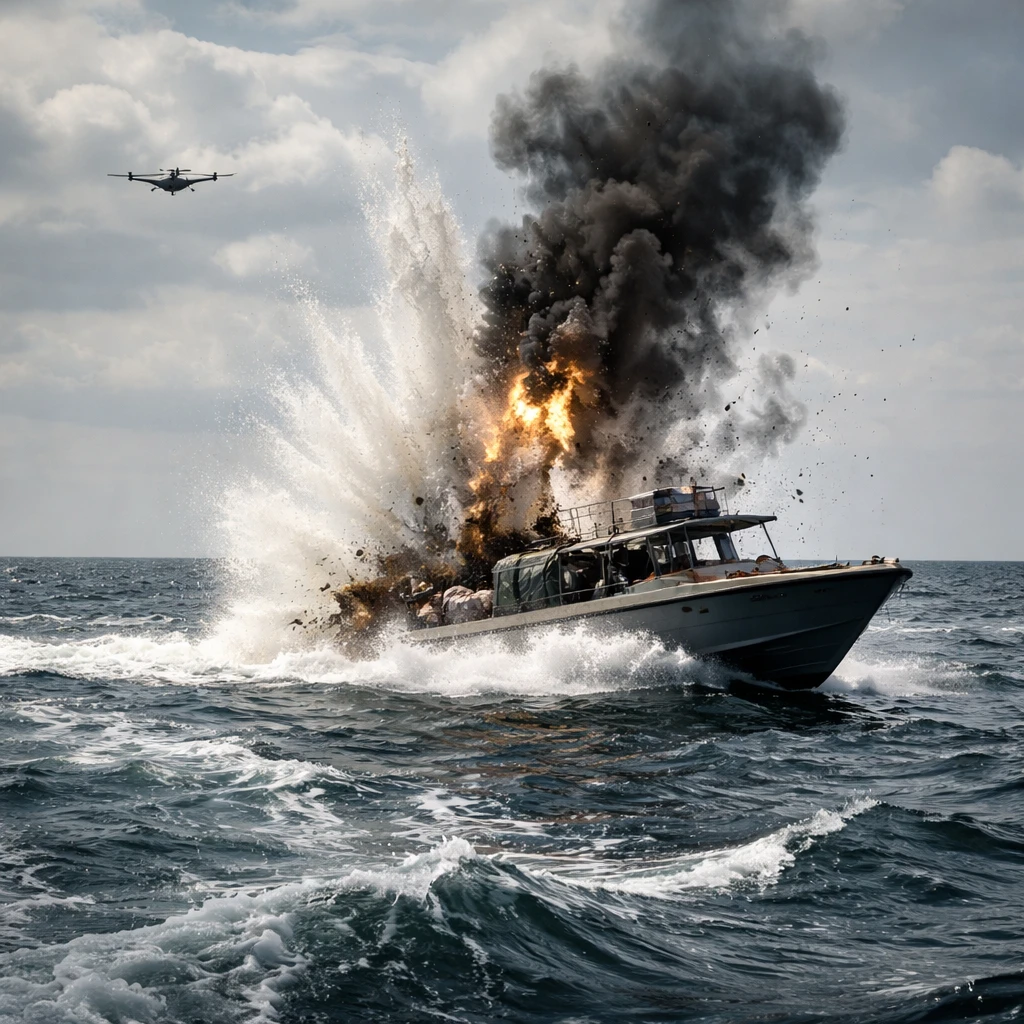
The U.S. military reported it struck a vessel in the Eastern Pacific on Friday, killing two people it described as "male narco-terrorists." The U.S. Southern Command said intelligence showed the vessel was traveling known narco-trafficking routes and engaged in trafficking operations. Human rights groups and civil liberties organizations have condemned recent strikes as unlawful or based on unsubstantiated claims.

Key Points

  • U.S. Southern Command said it struck a vessel in the Eastern Pacific that it alleged was operated by "Designated Terrorist Organizations" and engaged in narcotics trafficking.
  • The strike killed two people described by the command as "male narco-terrorists" and the military reported no U.S. personnel were injured.
  • Rights organizations and civil liberties groups have criticized the strikes; Human Rights Watch and Amnesty International labeled them "unlawful extrajudicial killings," while the ACLU called government assertions "unsubstantiated, fear-mongering claims."

WASHINGTON, April 24 - The U.S. military said on Friday that it carried out a strike on a vessel in the Eastern Pacific, killing two individuals in an operation the military described as targeting narcotics traffickers.

The U.S. Southern Command stated the craft hit on Friday was operated by "Designated Terrorist Organizations," a designation the command did not further identify. It added that no U.S. military personnel were harmed during the strike and characterized those killed as "male narco-terrorists," offering no additional identifying details.

In a statement posted on X, the Southern Command said, "Intelligence confirmed the vessel was transiting along known narco-trafficking routes in the Eastern Pacific and was engaged in narco-trafficking operations." The command also released a short video clip, 16 seconds in length, that shows a vessel being struck in open waters.

The incident comes amid a series of similar deadly strikes by U.S. forces in the same region in recent weeks. U.S. strikes under the administration of President Donald Trump have targeted vessels accused by the U.S. of transporting narcotics. Officials say the operations aim to disrupt trafficking routes.

According to U.S. military figures cited in public statements, strikes on such vessels since September have resulted in more than 170 deaths. Those operations and their human cost have drawn scrutiny from experts and rights organizations both inside the United States and abroad.


Human Rights Watch and Amnesty International have publicly described the strikes as amounting to "unlawful extrajudicial killings." The American Civil Liberties Union has criticized the administration's public assertions about the groups and individuals targeted, calling those assertions "unsubstantiated, fear-mongering claims."

The U.S. military's account emphasizes the intelligence assessments used to identify the vessel and justify the strike, while advocacy groups and civil liberties organizations question the legality and evidentiary basis for such lethal actions. The latest strike and the surrounding debate highlight continuing tensions between the stated objectives of counter-narcotics operations and concerns about legal and human rights standards.

Details beyond the Southern Command's statements - including the identities of those killed, the specific organizations alleged to have operated the vessel, and further operational particulars - were not provided in the military's public release.

Risks

  • Legal and reputational risk to U.S. military operations due to allegations of unlawful killings, which could prompt increased scrutiny from rights groups and legal advocates - impacting defense policy and oversight.
  • Operational and strategic uncertainty surrounding counter-narcotics maritime strikes, including limitations in public detail about targets and affiliations, which could affect maritime security and international perceptions.
  • Potential political and diplomatic ramifications as continued strikes and public controversy may influence policymaking and oversight of defense-led counter-narcotics efforts - with possible spillover effects on related sectors such as shipping and maritime services.

More from World

Palestinians in Gaza Cast Ballots in Local Elections for First Time in Two Decades Apr 25, 2026 U.S.-Kuwaiti Journalist Acquitted and Leaves Kuwait After Nearly Two Months in Detention Apr 24, 2026 DC Replaces Mistaken Australian Flags Ahead of King Charles Visit Apr 24, 2026 Fifth Circuit Clears Way for Texas to Enforce Controversial Border Arrest Law Apr 24, 2026 Castelion Secures $105 Million Navy Contract to Integrate Blackbeard Hypersonic Missile on F/A-18 Jets Apr 24, 2026