
Poland’s prime minister has framed the transatlantic security relationship as the continent’s defining strategic concern, questioning whether the United States will stand as a reliable NATO partner if Russia were to mount an attack. Donald Tusk expressed those views in an interview published by the Financial Times.
Tusk said the prospect of a Russian attack is "something really serious," and stressed that countries on NATO’s eastern flank need clarity about the alliance’s willingness and ability to respond. "For the whole eastern flank, my neighbours... the question is if NATO is still an organisation ready, politically and also logistically, to react, for example against Russia if they try to attack," he told the British newspaper.
He emphasised the urgency of the issue, saying the relevant time horizons are short: "I’m talking about short-term perspectives, rather months than years... For us, it’s really important to know that everyone will treat the NATO obligations as seriously as Poland."
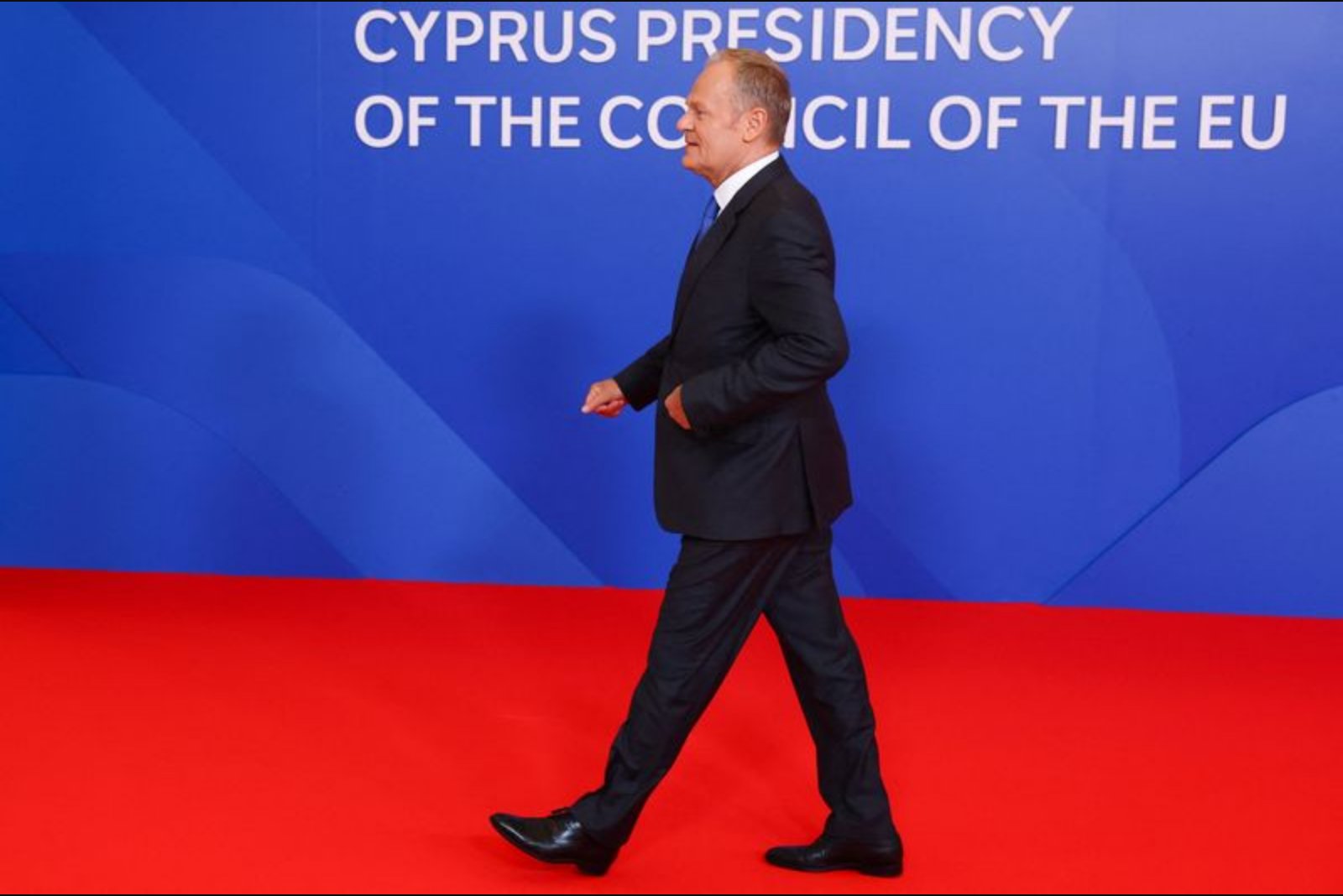
The comments come as EU leaders gather informally in Cyprus. The summit agenda includes discussion of the war in the Middle East, potential energy measures in response, and planning for the bloc’s next long-term budget. Those items provide a backdrop to Tusk’s call for deeper European defence cooperation.
Appearing to link internal EU politics to the bloc’s defence posture, Tusk suggested the Union could revisit Article 42.7 of the EU treaty - the mutual defence clause - in the wake of a change in Hungary’s leadership. He noted the departure of Viktor Orban, described in the interview as an ally of Russia, as a factor in thinking about the Union’s collective defence arrangements.
"What you need if you want to have, not only on paper, a real alliance, is true tools and real power when it comes to defence instruments and mobility of militaries from country to country etc. It’s a very practical problem for today," he said.
Summing up his priorities, Tusk said his current mission is to "reintegrate Europe," explaining that for him this means establishing common defence capabilities and "a common effort to protect our eastern borders."
Those remarks reflect growing concern about unpredictable U.S. policies and threats directed at European partners, concerns that have influenced debate about how Europe should organise its collective defence and how quickly it must be capable of responding to threats.