
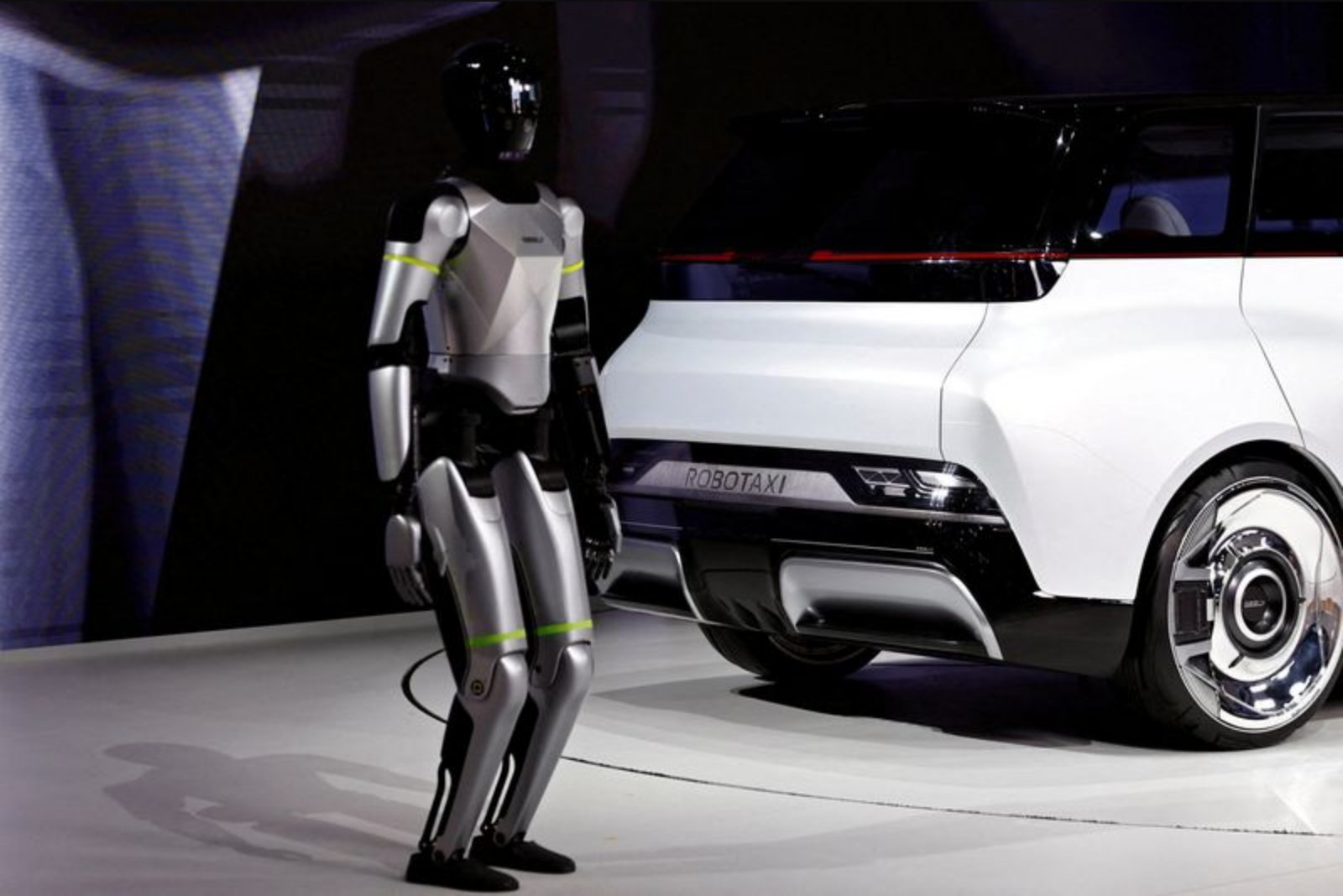
Caocao Inc, Geely Holding Group's ride-hailing unit, is preparing a global rollout of thousands of purpose-built robotaxis next year, its chief executive said at the Beijing auto show.
The vehicle, called the Eva Cab, is designed from the ground up as a driverless taxi and will enter initial service in Abu Dhabi, Hong Kong and five mainland Chinese cities. Production, delivery and deployment are planned to take place almost simultaneously, according to the CEO.
Management is targeting a larger phase of delivery in 2028 and intends to grow the Eva Cab fleet to 100,000 vehicles by 2030. The company says the first mass deployments will come ahead of the broader expansion scheduled through the end of the decade.
The Eva Cab diverges from many current robotaxis, which are often modified versions of standard passenger cars. Its interior has been reconfigured for shared use, with simplified storage and the removal of enclosed door pockets to reduce the chance of passengers leaving behind belongings. The vehicle is offered without a luxury interior and without a high-power motor, measures the CEO said will result in a lower cost than private cars, though the exact price was not disclosed.
Caocao was incubated within Geely in 2015 and has been positioned as the group’s central platform for shared mobility and future robotaxi operations. The company listed in Hong Kong in June 2025 and recorded its first quarterly adjusted net profit in the fourth quarter.
The push by Caocao comes as a broader shift is underway among Chinese automakers toward autonomous driving and mobility services, intensifying competition within the country’s auto market. One peer, Xpeng, said it expects to produce anywhere from hundreds to thousands of robotaxis over the next 12 to 18 months, with manufacturing as its immediate focus while it seeks operating partners for global deployment.
The move by Chinese manufacturers also sets up direct competition with Tesla, which has been developing a purpose-built autonomous vehicle known as the Cybercab. Tesla’s leadership has indicated that Cybercab production will ramp gradually and then expand rapidly, and the company expects those purpose-built vehicles to supplant modified consumer cars as it grows its driverless fleet.
Market and sector impact
- Automotive manufacturing - increased investment in dedicated robotaxi platforms and production retooling.
- Mobility services - acceleration of shared autonomous fleet deployments in urban and international markets.
- Technology and systems integration - demand for autonomous driving software, sensors and fleet management solutions.
Note: Statements about timing, locations, fleet-size targets and product features reflect comments made by company executives and disclosed corporate milestones.