
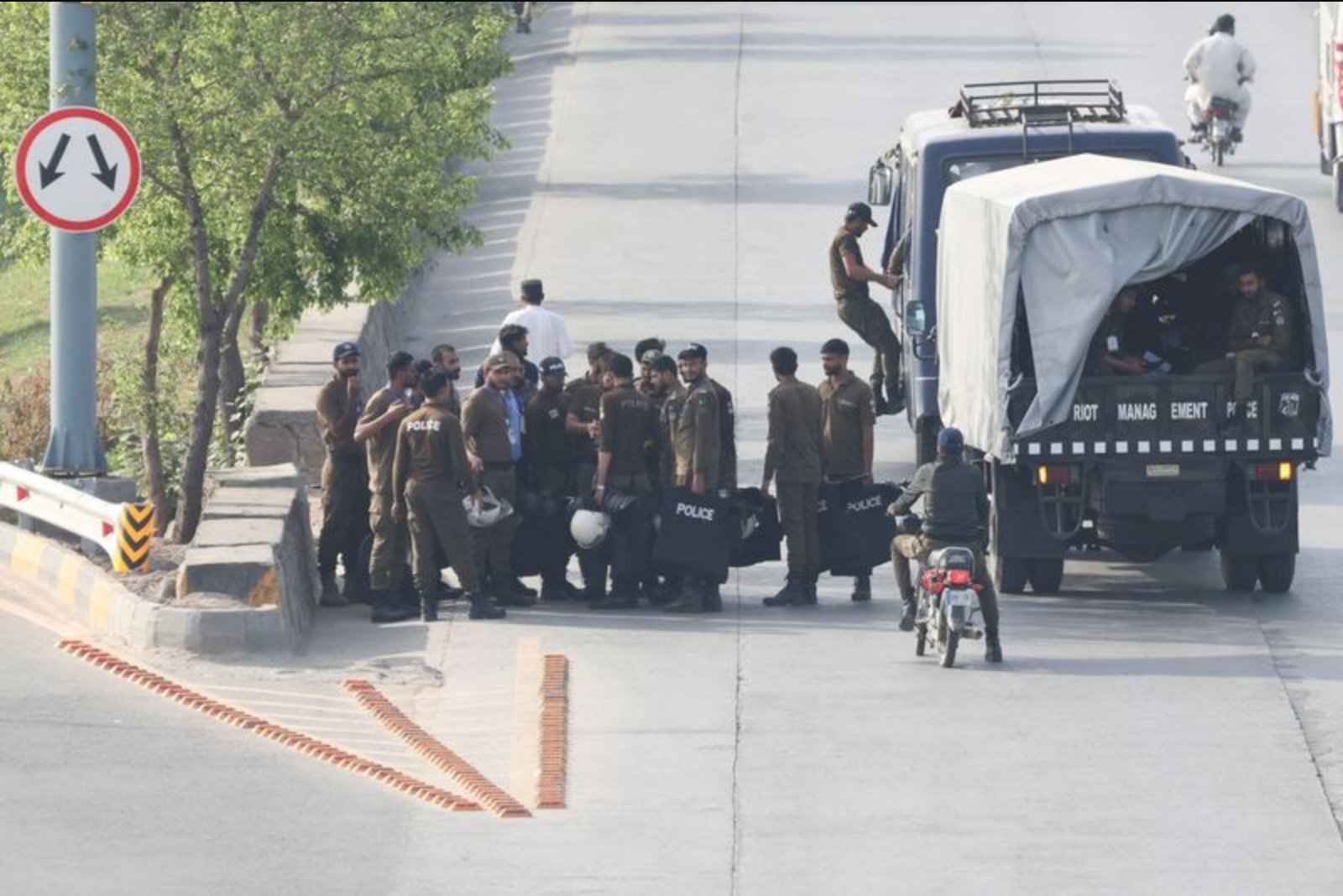
ISLAMABAD, April 24 - Islamabad has been under an extended security lockdown for almost a week while authorities wait in case talks between U.S. and Iranian delegations are arranged to take place in the city. Despite the persistent preparations, there is no indication that the two sides will meet, and life across large swathes of the capital remains constrained by the authorities' measures.
Key thoroughfares leading into the city are closed and a strict security cordon surrounds the administrative centre known as the "Red Zone." In neighbouring commercial districts often referred to as the "Blue Area," shops and eateries report thin foot traffic, supply shortages and an overall hush as residents avoid the detours around the sealed-off sections.
Government officials have indicated the restrictions are likely to remain in place for the time being and say they are prepared to receive delegates, including U.S. President Donald Trump, at short notice. "We have been told that the talks could be held any day," one official said.
This is the second lockdown in two weeks. Islamabad was first closed off on April 11 for talks between U.S. and Iranian representatives that concluded without an agreement. After a brief reopening, the capital was again placed under tight security as Pakistan prepared to host a follow-up round that, so far, has not occurred.
Daily life and transport
For many people who work in Islamabad during the week before returning to family homes for the weekend, the repeated closures have upset regular travel patterns. The city's role as a transient workplace hub has made these disruptions especially visible.
At the intercity bus terminal, travellers searching for weekend departures have found the station largely deserted. Rizwana Raees, 35, arrived on Thursday with a weekend bag intending to travel to her hometown of Abbottabad for the first time in two weeks. She found the terminal empty with no buses or scheduled departures.
"Sometimes the government and media say that the delegations are coming, sometimes they say they aren’t," she said after calling her family for assistance. "Nobody knows and at this point, even if they come, no one will believe it till they see pictures and videos of them actually here." Ultimately, her brother arranged a shared ride through an online group so she could reach home.
Station manager Abdur Rehman Irshad said the terminal had been closed for five to six days, preventing more than 1,000 passengers per day from travelling. "People come here because it’s a popular station," he said. "But they are sent back."
Journalists and hospitality sector
International and domestic media have also been affected. In the lobby of an upscale Islamabad hotel, journalists who arrived to cover the anticipated talks are effectively in waiting. Camera crews remain on standby, equipment is ready and phones are perpetually checked for updates. After a week with little to report, press teams are in a holding pattern.
Fadi Mansour, Al Jazeera’s White House correspondent, who travelled from Washington expecting a short assignment, said: "I don’t know how many times I’m going to have to request laundry." He added: "We really don’t know where we’re headed."
Supply chain and markets
The lockdown has disrupted supply lines for perishable goods. Fruit and vegetable traders report that trucks laden with produce have been held up for days outside Islamabad's sealed perimeter, tightening supplies inside the city.
Saif-ur-Rehman Abbasi, 36, who sells fruit and vegetables, said: "You can’t have fruit and vegetables stuck in transport vehicles outside the city - they’re sensitive, they’re perishables. We have rent to pay and a business to run." At a café in the Blue Area staff said they had exhausted their strawberries and that other ingredients were becoming scarce. Nearby markets were quiet as customers opted to avoid the extended routes needed to get around the closed Red Zone.
A waiter at one café reflected the tension between regional geopolitics and local disruption with a pithy remark: "When Islamabad opens up, Hormuz closes," referring to the Strait of Hormuz, which remains a sticking point in the wider negotiations. "When Hormuz opens, Islamabad closes." As of Friday both remained blocked, with no end in sight for either.
For now, Islamabad's business owners, daily commuters and visiting media are operating in a state of readiness and uncertainty as the city continues to be maintained in a security posture that could be adjusted on little notice.