
Two people were killed by Israeli gunfire in southern Lebanon on June 23, Lebanon's Civil Defence and health ministry reported, in what local and regional actors described as a potential breach of a ceasefire that has mostly held since Sunday. The shooting was the first reported fatalities since the lull began, and it underlines the fragility of a pause in fighting that followed escalations tied to the broader U.S.-Iran confrontation that erupted on March 2.
What happened on the ground
Local officials said Israeli soldiers opened fire at a group near a bulldozer clearing a road in the al-Deir neighbourhood of Nabatieh al-Fawqa. The mayor of the town and Lebanon's state news agency NNA reported the incident and the two deaths.
The Israeli military described the episode differently, saying troops fired warning shots at four people on a bulldozer and a motorcycle that crossed into an area Israeli forces still hold in southern Lebanon. It characterized the individuals as "Hezbollah terrorists operating under civilian cover" and said that after the group continued to approach, "additional fire was conducted in order to remove the threat."
In a separate account of the same general vicinity, the Israeli military said it "struck armed terrorists who posed an immediate threat" to soldiers in the Ali al-Taher ridge area. Lebanese state media later reported an Israeli drone strike on a parked car in southern Lebanon that caused no casualties.
Responses and accusations
Hezbollah issued a statement saying the two killed in Nabatieh al-Fawqa were civilians and accused Israel of violating the ceasefire. The group did not indicate whether it planned any immediate retaliation.
Iran's ambassador to the United Nations in Geneva, Ali Bahreini, warned reporters that any breach of the memorandum of understanding in Lebanon would complicate peace talks. He said: "Lebanon is an unquestionable part of the agreement, and whatever happens in Lebanon affects the whole process, and it is the United States which should use all its leverage against Israel to make it to stop attacks against Lebanon."
Diplomatic efforts and enforcement plans
A joint statement at the close of U.S.-Iran talks in Switzerland said the parties had agreed to create "a de-confliction cell" to ensure parties adhere to the termination of hostilities in Lebanon. That planned mechanism is intended to monitor and reduce the risk of renewed clashes, though details of its composition and operation remain under review.
On the same day as the shootings, U.S. Vice President JD Vance and Secretary of State Marco Rubio told President Aoun in a phone call that the United States was committed to forming the de-confliction cell to help cement the ceasefire in Lebanon. Officials said the modalities of formation and operation were still being examined.
Military posture and displacement
Israeli Prime Minister Benjamin Netanyahu had said on Monday that Israeli forces would retain broad authority to counter any direct or emerging threats from Hezbollah or other hostile actors, and that troops would remain in Lebanon "as long as is necessary." The presence of Israeli units deep inside southern Lebanon has been a constant source of tension even during the ceasefire.
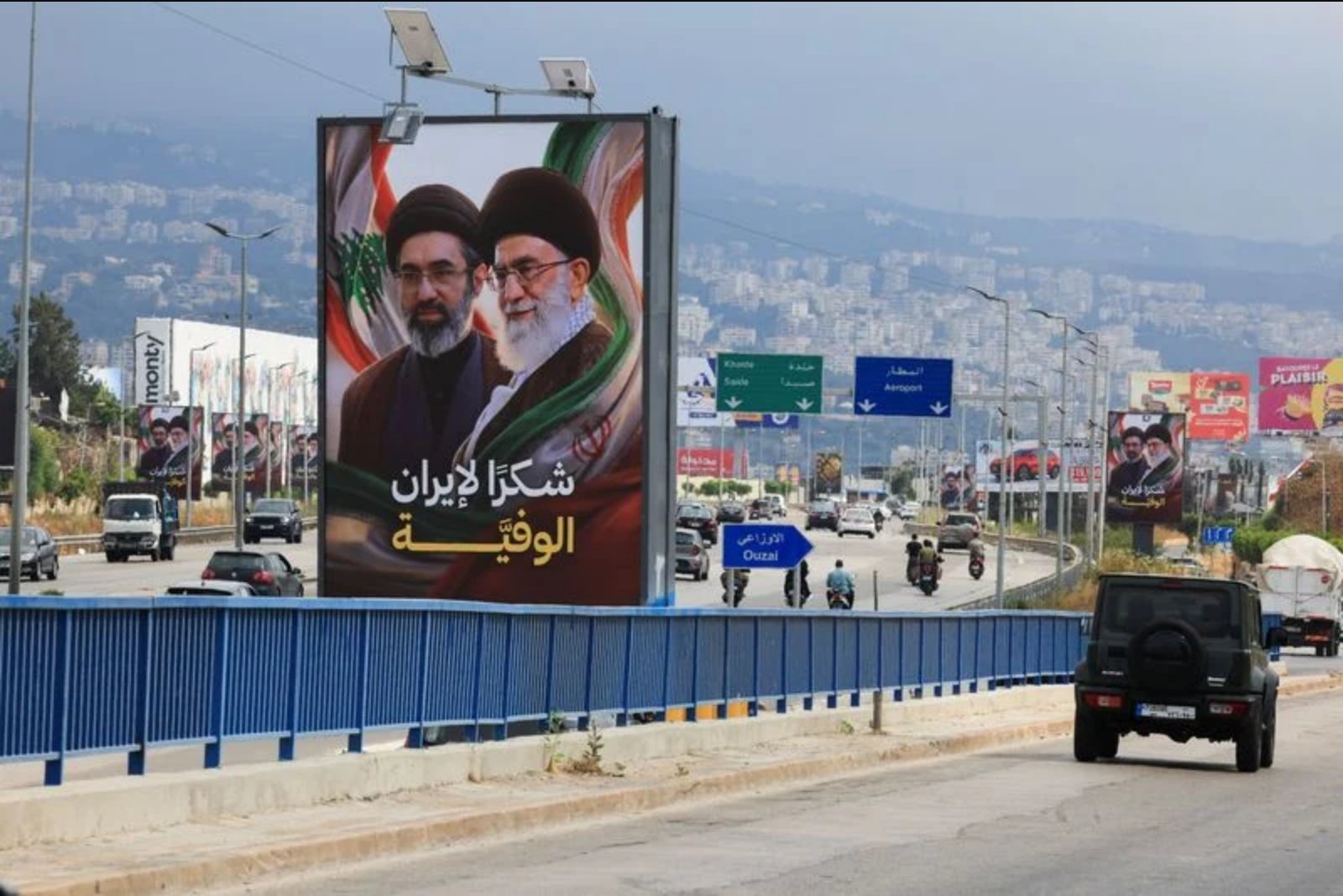
Despite the renewed violence, the relative calm encouraged many displaced people to return home. A highway to the south was clogged with vehicles as residents traveled back to assess damage and retrieve belongings, though fear remained palpable.
Zein Ghandour, the mayor of Nabatieh al-Fawqa, said residents had begun returning to check on their houses but were being urged to stay away after Tuesday's shooting. "People were scared," he told reporters by phone.
Elsewhere near the front, local officials reported varying levels of returns. In Zrarieh, hundreds of families had come back, an official named Rida Abed al-Khalik said, adding that more were expected depending on talks in Washington between Lebanese and Israeli government representatives. In Toura, an official estimated that 60-70% of residents had returned, though some reportedly had no homes left to go back to.
Human cost and military losses
Lebanese authorities report that Israeli attacks in Lebanon have killed more than 4,100 people, a toll that the Lebanese health ministry says includes 773 women, children and healthcare workers. The ministry's figure does not specify how many of the dead were combatants.
Israel's reported losses in this round of fighting with Hezbollah include at least 32 soldiers and four civilian fatalities.
Outlook
The killing of two people in southern Lebanon marks a test for a pause in hostilities tied to wider diplomatic negotiations between Washington and Tehran. While plans for a de-confliction cell were affirmed by U.S. officials as part of the enforcement architecture, the shooting underlines the challenges of policing a ceasefire in areas where troops from one side remain deployed.
How these incidents will affect the implementation and perceived durability of the truce depends on decisions by the actors involved and on whether further mechanisms are agreed and activated to prevent and respond to such confrontations.