
World June 23, 2026 10:52 AM

U.N. Security Council Unanimously Adopts Resolution to Strengthen Accountability for Attacks on Peacekeepers

Measure presses host countries and contributors to pursue investigations and prosecutions after deadly incidents, including the killing of seven U.N. peacekeepers

By Derek Hwang
Share
Twitter Reddit Facebook LinkedIn

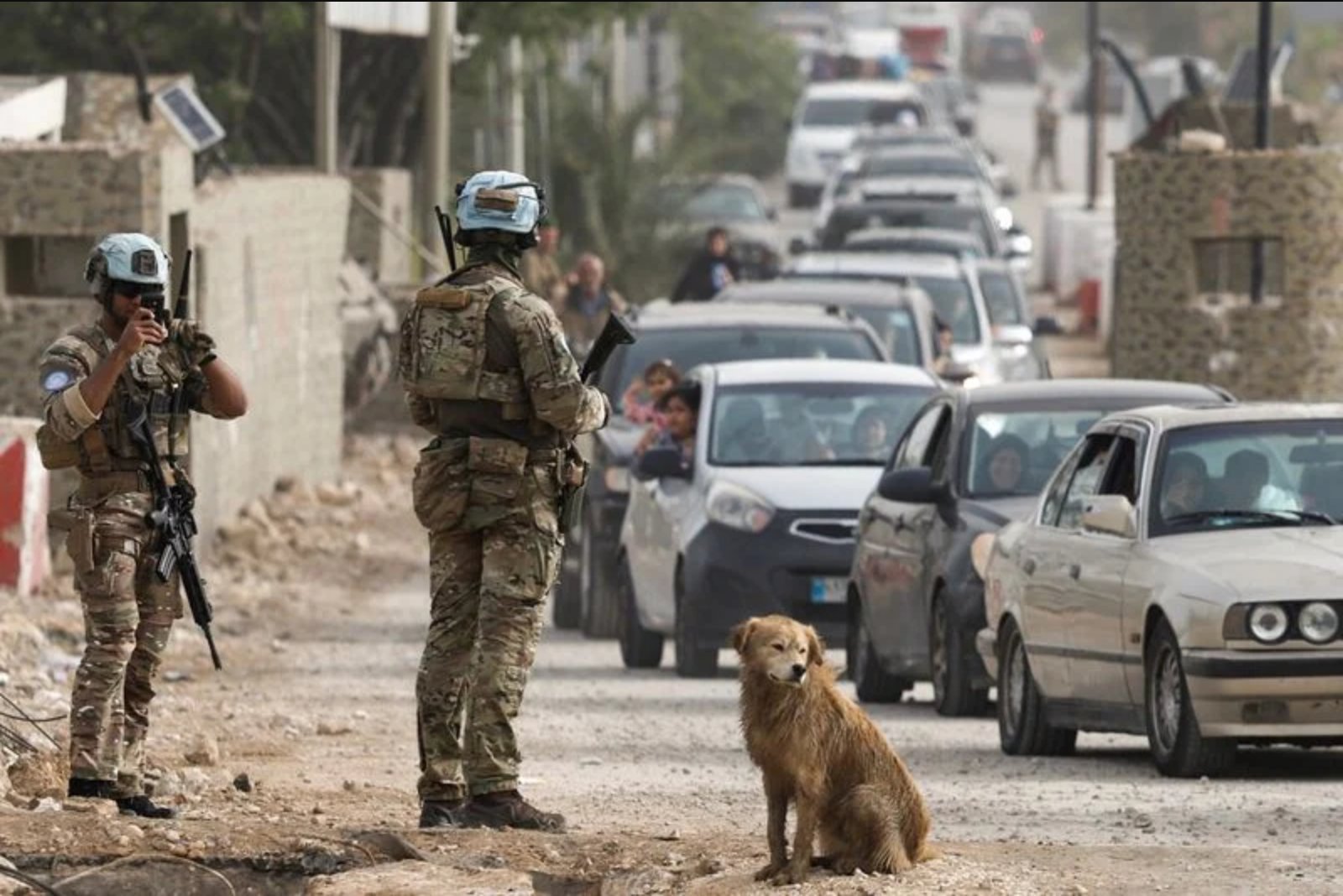
On June 23 the U.N. Security Council approved a resolution directing stronger measures to hold perpetrators of attacks on U.N. peacekeepers to account. Drafted by Denmark and Pakistan and co-sponsored by 152 countries, the resolution calls on host states to investigate and prosecute offenders, asks the secretary-general to name a senior focal point for coordination, and encourages deployment of investigators from troop- and police-contributing countries at the request of host nations.

U.N. Security Council Unanimously Adopts Resolution to Strengthen Accountability for Attacks on Peacekeepers
Summarize with
ChatGPT Perplexity Claude Grok Gemini

Key Points

  • The U.N. Security Council unanimously adopted a resolution on June 23 to improve accountability for attacks on U.N. peacekeepers; it was drafted by Denmark and Pakistan and co-sponsored by 152 countries.
  • The resolution urges host countries to investigate and prosecute perpetrators, asks the U.N. secretary-general to name a senior focal point for coordination, and encourages deployment of investigators from troop- and police-contributing countries at the request of host states.
  • Sectors potentially affected include international security and defense operations, multinational peacekeeping logistics, and legal and compliance functions within contributing countries and the U.N.

On June 23 the U.N. Security Council adopted a resolution aimed at tightening accountability for attacks targeting U.N. peacekeepers, responding to concerns over a rise in violence against personnel and persistently low prosecution rates.

The text of the resolution, drafted by Denmark and Pakistan and co-sponsored by 152 countries, passed the council unanimously. It cites a series of deadly incidents against U.N. staff, notably the killing of seven peacekeepers serving with the United Nations Interim Force in Lebanon (UNIFIL) following a fresh round of fighting between Israel and Hezbollah in early March.

The resolution urges countries hosting U.N. peacekeeping operations to take "all necessary measures" to investigate and prosecute those responsible for attacks on U.N. personnel. It highlights that prosecution rates for such crimes have remained low and emphasizes that accountability is essential to deter future attacks.

While reaffirming that host states retain primary responsibility for the safety and security of U.N. personnel, the council's text calls on all parties involved to cooperate with investigations. It also requests that the U.N. secretary-general designate "a senior focal point" within the organization to coordinate efforts to improve accountability for crimes committed against peacekeepers.

To support inquiries, the resolution encourages troop- and police-contributing countries to provide investigators, when requested by host states. In addition, it calls for an annual U.N. report tracking progress on investigations and prosecutions related to attacks on peacekeepers.

The Security Council further stated that attacks against U.N. peacekeepers may amount to war crimes, and it signaled an intention to consider additional measures to bolster accountability for such offenses.

The resolution represents a collective push by council members and a large group of co-sponsors to address both the immediate safety of peacekeepers and the systemic shortfalls in bringing perpetrators to justice. The text combines exhortations to host states, options for support from contributing countries, and a coordination mechanism within the U.N. apparatus to monitor and report on progress.

Risks

  • Rising violence against U.N. personnel and low prosecution rates could undermine the safety and effectiveness of peacekeeping missions, posing operational risks to international security and defense-related deployments.
  • If host states or parties do not cooperate with investigations, accountability mechanisms may be limited in reach, creating legal and reputational risks for contributing countries and for the U.N.'s ability to deter future attacks.
  • Uncertainty remains about what additional measures the council may take; this unpredictability could affect planning and resource allocation for countries that contribute troops and police to U.N. missions.

More from World

Banxico poised to keep policy rate at 6.50% as inflation pressures persist Jun 23, 2026 Israeli Fire Kills Two in Southern Lebanon as Fragile Ceasefire Faces Test Jun 23, 2026 Rebuilt Azov Corps Turns Focus on Mariupol, Launches Drone Strikes on Port and Supply Nodes Jun 23, 2026 WHO: Congo Ebola Outbreak Records Unusually High First-Month Case Count Jun 23, 2026 Supreme Court Blocks Damages Claim After Louisiana Prisoner Was Shaved Against His Faith Jun 23, 2026