
El Salvador's government has formalized sweeping changes to how the justice system treats young offenders, approving legal reforms that permit life sentences for individuals aged 12 and older convicted of homicide, terrorism or rape. The measures were published in the country's official gazette on Tuesday and are scheduled to take effect on April 26.
The newly enacted rules follow a constitutional amendment approved in March by the country's Congress, which is controlled by the president's party. Under the revisions, the special legal procedures that previously applied to those aged 12 to 18 are removed. At the same time, the legislation retains provisions for periodic reviews of long sentences and the potential for supervised release, indicating some mechanism for future reassessment of individual cases.
The constitutional amendment that enabled these statutory changes was passed days after an international legal panel issued a finding that it had "reasonable grounds" to suggest El Salvador committed crimes against humanity during the government's prolonged state of emergency. That panel's report preceded the constitutional change, and the new legislation follows in close sequence.
International and humanitarian observers have reacted critically. The United Nations human rights office said the reforms violate children's rights. Humanitarian organizations have raised separate concerns about the conditions and outcomes of mass detentions under the state of emergency, estimating that at least 500 people detained since the start of those measures have died while in state custody.
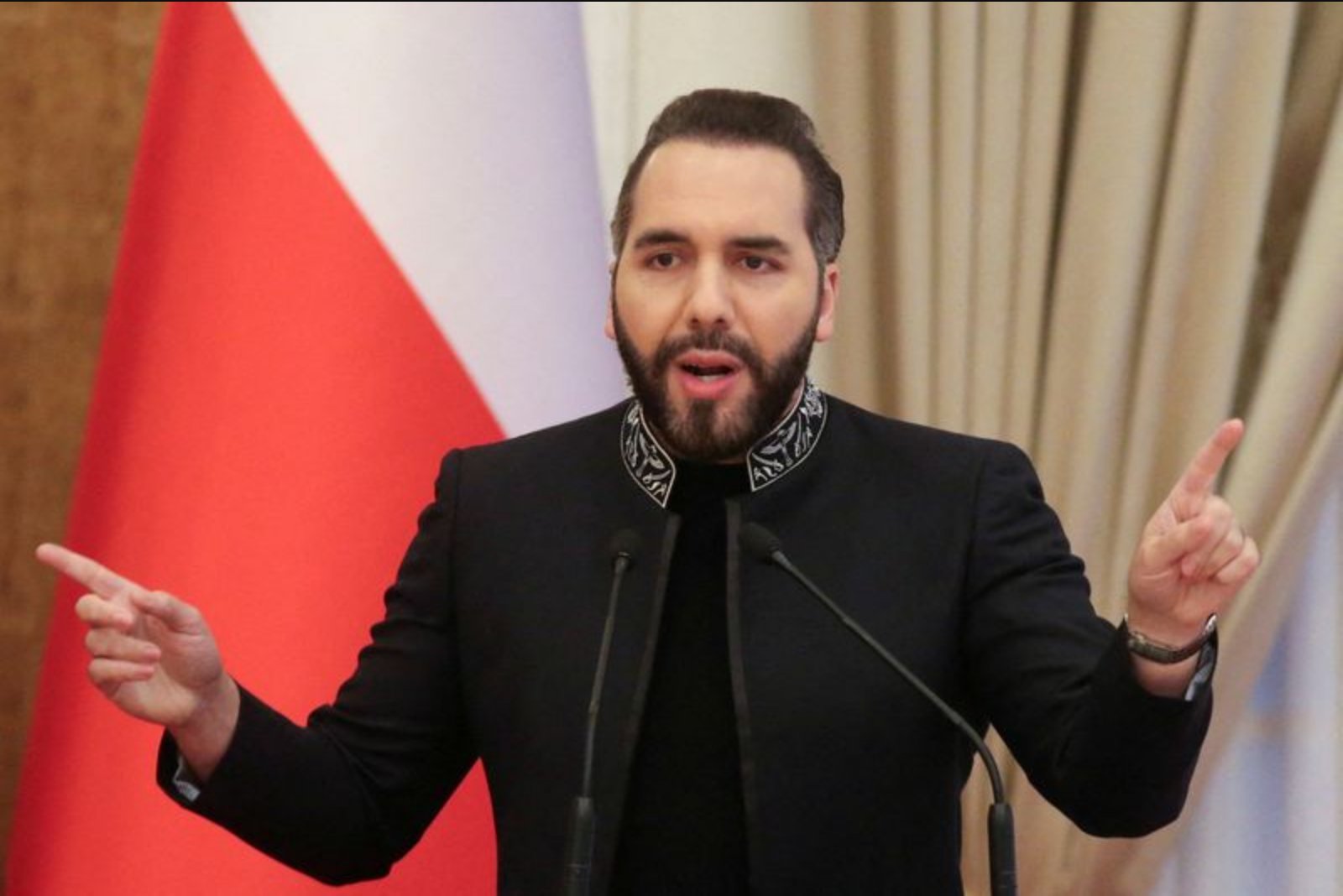
President Nayib Bukele has defended the legal overhaul, arguing that the previous framework created impunity for young criminals. The president's administration has maintained an extended state of emergency that suspends various constitutional guarantees and has overseen the detention of more than 90,000 people since it was declared.
The changes to juvenile and criminal law, the government notes, include mechanisms to periodically review sentences and permit supervised release in certain circumstances. Beyond those procedural provisions, the legislation removes the special handling that had applied to minors, bringing specified serious offenses committed by people aged 12 to 18 under the same sentencing regime applied to adults in such cases.
How these legal changes will be implemented in practice - including their interaction with ongoing detentions and the periodic review provisions - will be a matter for the Salvadoran justice system once the measures take effect on April 26.