
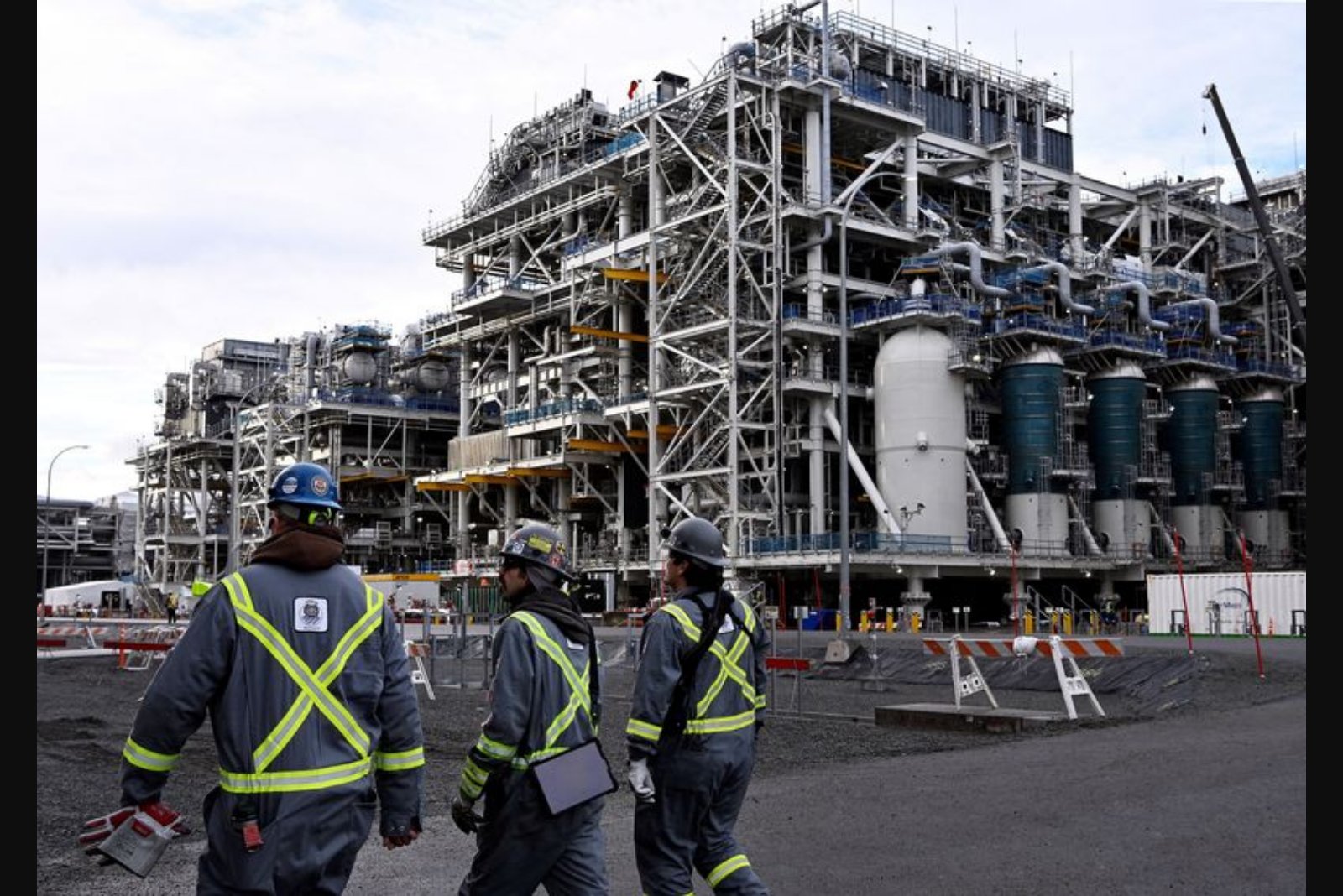
European purchasers - among them Germany’s Uniper, according to two sources - have explored buying liquefied natural gas from Canada’s Pacific coast and moving shipments through the Panama Canal as part of long-term diversification plans, two sources familiar with the discussions said.
Those discussions have included commercial talks with Ksi Lisims LNG, the proposed export terminal on Canada’s west coast. Three sources said European buyers are among potential customers that have engaged with Ksi Lisims’ backers, who have been working to finalize offtake contracts ahead of an expected final investment decision this year.
The interest from European buyers is notable because Canada’s current and planned LNG export capacity is concentrated on the west coast - geographically more convenient for Asian markets - and shipping through the Panama Canal will add both tolls and transit time, increasing costs for European offtakers.
All of Canada’s operational and developing LNG export facilities are located on the country’s west coast, while the east coast has almost no LNG exporting infrastructure beyond Repsol’s Saint John terminal, a situation that has historically constrained the country’s ability to supply Europe with material volumes of LNG.
But sources close to the Ksi Lisims project said that the recent conflict in the Middle East has made European buyers more willing to accept the additional expense and longer voyage to diversify supplies into a stable, democratic jurisdiction like Canada. "Since the war in Iran started, there has been especially strong interest in (Ksi Lisims) offtake from LNG buyers all around the world, including from Europe," one source said.
Uniper declined to comment on the discussions. In March, the German company was reported to have been in talks with Canadian counterparts at both corporate and political levels about expanding its LNG purchases. The United States accounted for 96% of Germany’s LNG imports last year, and two sources said Ksi Lisims is being viewed as a potential avenue to reduce that concentration of supply.
Project structure and timeline
Ksi Lisims is backed by a consortium that includes Houston-based Western LNG, a collection of Canadian natural gas producers organized as Rockies LNG, and the Nisga’a First Nation, which owns the land proposed for the facility. Even if the partners decide to proceed, the project would require several years of construction before deliveries could flow.
That timeline means Ksi Lisims is not an immediate remedy for Europe’s present energy needs. Nevertheless, the project has been referred by the Canadian government to its major projects office for expedited consideration. The prime minister, Mark Carney, has sought to accelerate permitting for natural resource projects to support an economy facing headwinds from U.S. trade policy.
Commercial traction already exists: Shell and TotalEnergies have each signed 20-year LNG purchase agreements with Ksi Lisims. Sources said that, beyond swaps or purchases of Canadian-origin cargoes, European companies are now also exploring taking physical shipments of Canadian LNG.
Market drivers and economics
Jamie Heard, vice president for capital markets at Tourmaline Oil - one of the Rockies LNG partners - said the Iran war and the closure of the Strait of Hormuz have increased the likelihood that Ksi Lisims will be built. He also pointed to the pricing dynamics that support the project: Western Canadian natural gas prices continue to lag U.S. benchmarks, which Heard said strengthens the business case for exporting Canadian gas.
"The economic rationale is there, these projects can pay themselves off quite quickly with spreads at that level," Heard said in an interview.
Summary
European buyers, including Germany’s Uniper, have held talks about procuring LNG from Canada’s Ksi Lisims project on the Pacific coast and routing cargoes through the Panama Canal. Interest has intensified since the Iran war, prompting buyers to consider higher costs and longer shipping times to diversify supplies away from concentrated sources. Ksi Lisims’ proponents include Western LNG, Rockies LNG and the Nisga’a First Nation; Shell and TotalEnergies have already locked in 20-year purchase agreements, and the Canadian government has moved the project into a fast-track review process.