
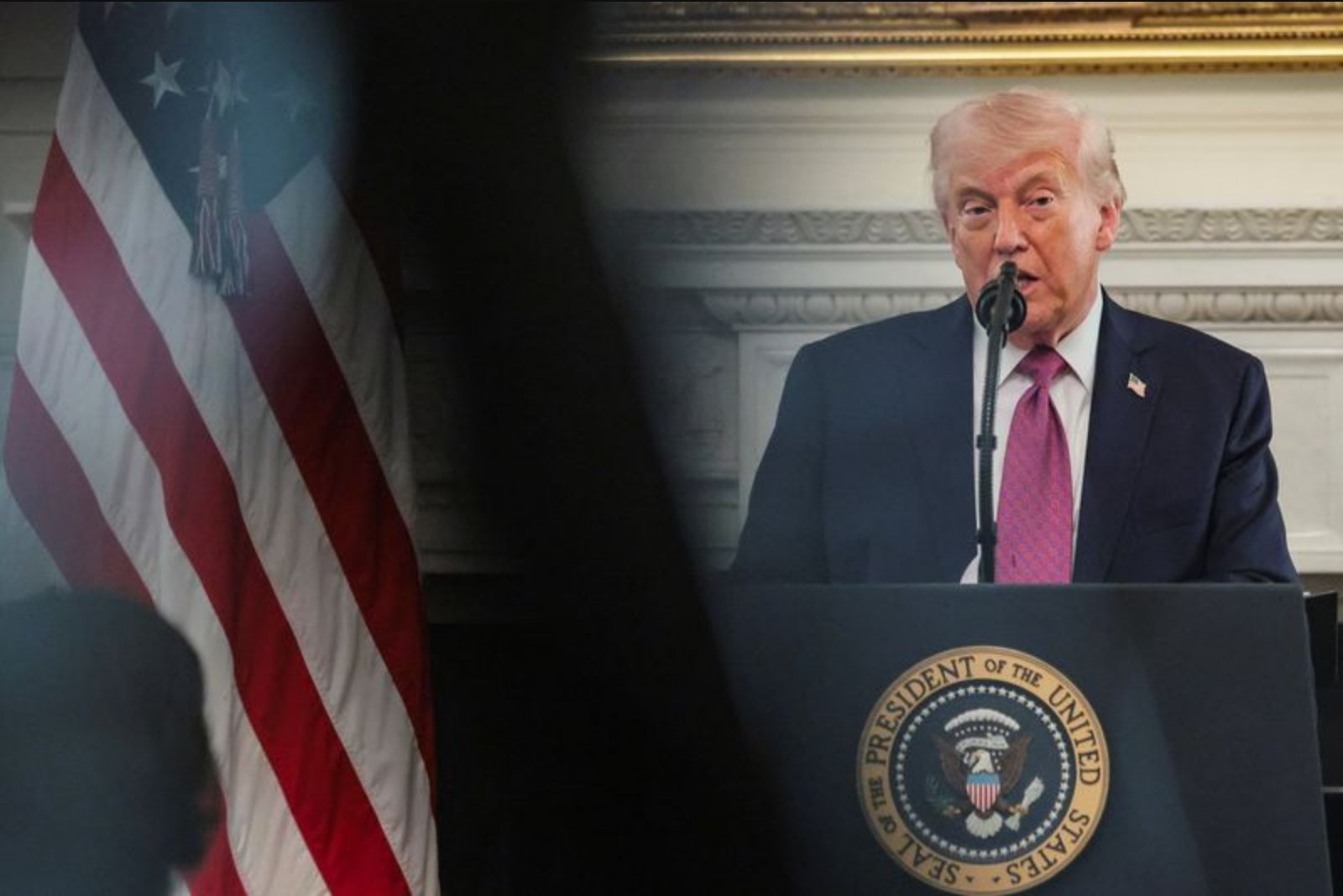
President Donald Trump’s high-profile effort to deport immigrants appears to carry political risks for his party heading into November’s midterm congressional elections, according to a Reuters/Ipsos online poll conducted over six days and completed on Monday.
The survey of 4,557 U.S. adults, which has a margin of error of plus or minus 2 percentage points, found that 52% of respondents said they were less likely to support a candidate who backs Trump’s strategy of aggressive deportations. That stands in contrast to 42% who said they would be more likely to support such a candidate.
The disadvantage for candidates aligned with Trump was particularly pronounced among independents. Within that group, 57% said they preferred a candidate who opposed the president’s deportation tactics, while 32% favored candidates who backed Trump on the issue.
Public views and political context
Republican lawmakers have largely backed the president’s hardline immigration posture, reflecting Mr. Trump’s expanding influence in the party since his 2024 election victory on a platform that emphasized cracking down on unauthorized immigrants. Yet the poll suggests that the political arithmetic may be shifting for November, when Republicans face the task of defending majorities in both chambers of Congress.
That electoral challenge is occurring against the backdrop of other pressures on the party, including a surge in gasoline prices attributed in the poll reporting to the U.S.-Israeli war with Iran. The confluence of high fuel costs and contentious immigration enforcement may heighten voter scrutiny of Republican incumbents and challengers aligned with the administration’s policies.
Approval of the administration's immigration performance
Support for the administration’s handling of immigration has declined since the months immediately after the inauguration. Reuters/Ipsos surveys from the weeks after the president’s January 2025 inauguration showed that 50% of the public approved of his performance on immigration. In the most recent poll, that approval measure fell to 40%.
Part of the shift may reflect reactions to the administration’s enforcement methods over the past year. The campaign has included visible, aggressive operations - described in the poll analysis as involving the deployment of masked federal agents nationwide - and incidents that included the deaths of two U.S. citizens who became entangled in the crackdown. Those images and episodes have registered with many voters.
Sarah Pierce, director of social policy at the center-left organization Third Way, said the enforcement campaign has left an impression on the public. "People were being pulled out of cars, a priest shot with pepper balls, and Americans killed before our eyes," she said, citing scenes from city streets in Los Angeles, Chicago and Minneapolis during the president’s first year in office. "I don’t think those images are going to go away anytime soon."
Enforcement trends: arrests and public perceptions
While the administration has maintained an assertive posture, recent weeks have seen a reduction from the peak levels of detentions reported late last year. Immigration and Customs Enforcement arrested just over 1,000 people a day in early March, down from close to 1,300 per day in December, according to ICE figures obtained by the Deportation Data Project and analyzed by Reuters. Even so, the early March daily arrest figure remained more than double the daily arrests reported in January 2025.
Only one in four respondents in the poll described current detention efforts as less aggressive than a month earlier, but 70% of those surveyed said that adopting a less aggressive approach would be a positive development.
Public priorities on borders and legal status
The survey found broad agreement on the importance of border security and enforcing immigration laws. Some 84% of respondents said having secure borders is at least somewhat important, and 87% said it is important to enforce immigration laws.
At the same time, a substantial majority expressed support for providing a pathway to legal status for many migrants already in the United States without authorization. About 76% of respondents said unauthorized migrants who have jobs and no criminal record should have a way to gain legal status.
Internal Republican debate
Not all Republicans in Congress have embraced the administration’s intensity on deportations. Representative Maria Elvira Salazar, a Republican from a South Florida district with many Hispanic voters who have relatives who are recent immigrants, has been promoting legislation in recent weeks that would grant legal status to certain immigrants in the country without authorization. Her initiative has drawn criticism from party hardliners, but Salazar has defended the bill as consistent with the president’s priorities by arguing it "respects Trump’s agenda" by securing the border.
Salazar also expressed concern about intra-party divisions on immigration policy. "I’m very concerned about what’s happening within the party with immigration," she said earlier this month on Fox News’ "Brian Kilmeade Show," referring to hardliners within her party.
What the poll means going forward
The Reuters/Ipsos results suggest that the administration’s deportation campaign has significant political salience. Voter reactions to enforcement operations, the imagery associated with them, and concurrent economic pressures such as rising gasoline prices are likely to factor into electoral calculations for candidates and party strategists as the midterms approach.
The poll was conducted online, included 4,557 respondents nationwide, and carries a margin of error of 2 percentage points.