
Diplomatic contacts between Lebanon and Israel will resume in Washington on Thursday, when the two countries' envoys convene for a second meeting in the space of two weeks. The session comes as a 10-day ceasefire, mediated by the United States, approaches its scheduled expiry on Sunday.
The Washington talks aim to build on initial, tentative exchanges between the states. Lebanese officials say the immediate focus for Thursday's meeting will be twofold: to seek an extension of the current ceasefire and to explore a date for wider negotiations that would go beyond the ambassadorial level. In those expanded talks, Lebanon intends to press for three central outcomes: an Israeli withdrawal from areas it has occupied at the border, the return of Lebanese citizens detained in Israel, and a formal delineation of the land border.
Lebanon's delegation is expected to emphasise that extending the ceasefire is a prerequisite for any progression to broader negotiations, according to Lebanese officials. The position reflects concern in Beirut that durable diplomacy will not be possible if fighting resumes. The 10-day truce has already shown signs of instability: Iran-backed Hezbollah said on Tuesday that it had fired rockets into northern Israel in response to what it described as Israeli violations, and Israel has separately accused the group of breaching the agreement.
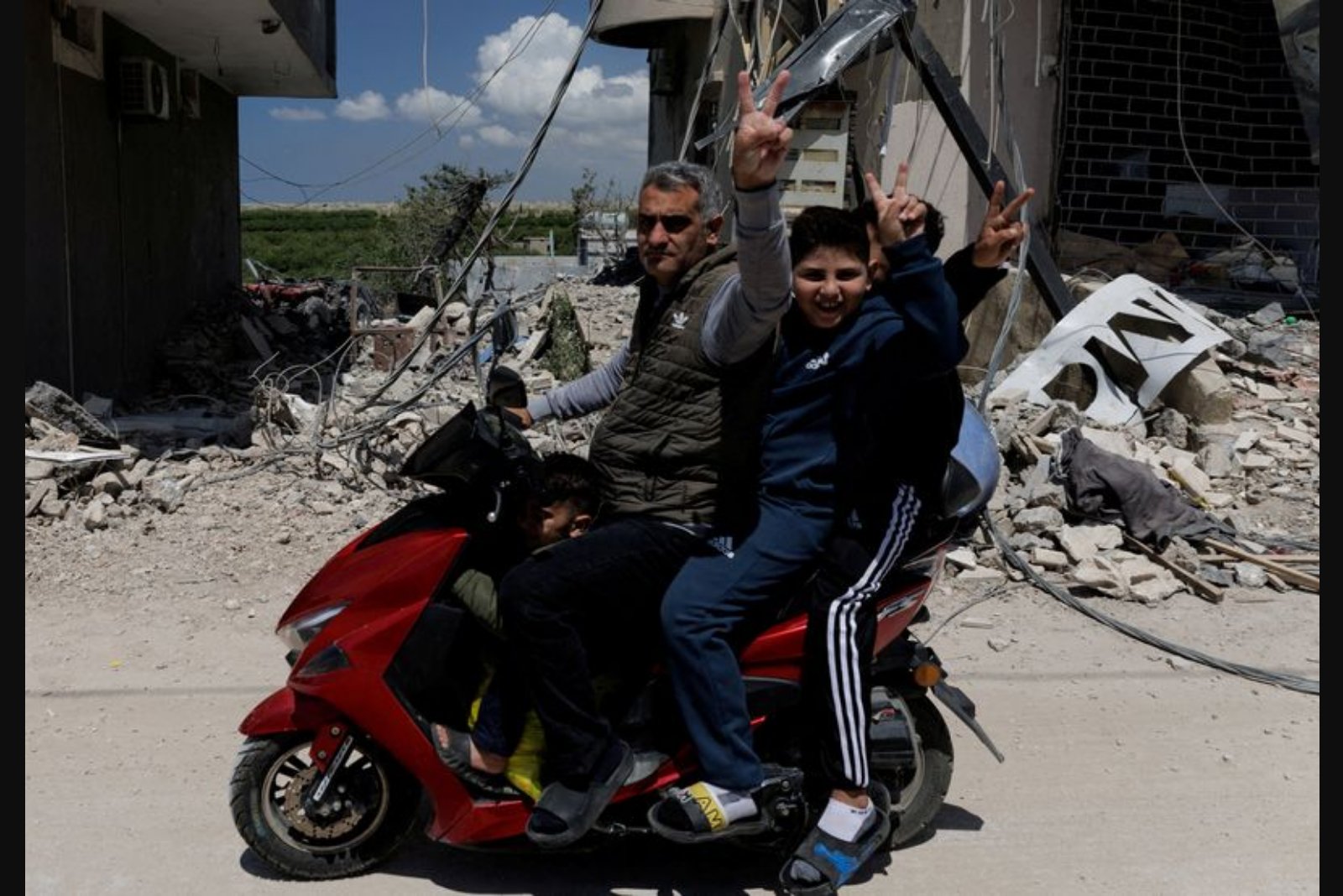
Hostilities between Hezbollah and Israeli forces reignited on March 2, when Hezbollah opened fire in what it described as support for Tehran in the regional conflict. In response to that March 2 attack, Israel launched an offensive that Lebanese authorities say has resulted in more than 2,400 deaths in Lebanon. Israeli forces have also seized a belt of land along the border, where they remain on the ground and have said they seek to create a buffer zone to protect northern Israeli communities from attacks by Hezbollah, which fired large volumes of rockets during the conflict.
Against this backdrop, Thursday's Washington meeting will proceed with high sensitivity to the ceasefire's fragility. The Israeli military reported that on Tuesday it killed two militants who had crossed what it described as its "Forward Defense Line" in south Lebanon and approached Israeli soldiers, saying the incursion violated the ceasefire.
The talks will be attended by U.S. Secretary of State Marco Rubio. Lebanon will be represented by its ambassador to Washington, Nada Moawad, while Israel's ambassador to the United States, Yechiel Leiter, will attend for Israel. Lebanese President Joseph Aoun has articulated objectives he expects diplomacy to seek, including an end to Israeli attacks on Lebanon and an Israeli withdrawal from occupied areas. In remarks on Friday, the president said the ceasefire should be converted into "permanent agreements that preserve the rights of our people, the unity of our land, and the sovereignty of our nation."
Political divisions within Lebanon are a complicating factor. Hezbollah, which has attributed the Lebanon ceasefire to Iranian pressure, has publicly condemned the Lebanese government's engagement in talks with Israel. This stance underscores wider rifts between the armed group and the state; the government has been pushing for Hezbollah's peaceful disarmament for the past year. Lebanon's most senior Shi'ite state official, Parliament Speaker Nabih Berri, opposes direct, face-to-face negotiations with Israel and has said Beirut could have conducted talks indirectly.
Meanwhile, Lebanon's principal Druze politician, Walid Jumblatt, has urged a clearly articulated agenda for talks. After meeting with Speaker Berri, Jumblatt told reporters that the maximum Lebanon could offer would be an update to the 1949 armistice agreement with Israel, and he said any agenda should include the withdrawal of Israeli troops still present in southern Lebanon.
On the Israeli side, Foreign Minister Gideon Saar framed the decision to engage directly with Lebanon as historic, saying Israel had taken a "historic decision to negotiate directly with Lebanon after more than 40 years" while also calling Lebanon a "failed state." Saar urged the Lebanese government to cooperate against what he described as the "terror state that Hezbollah built in your territory," and argued that such cooperation would be in Lebanon's own interest.
U.S. President Donald Trump announced the ceasefire on April 16 and said he had instructed Secretary Rubio, Vice President JD Vance and Chairman of the Joint Chiefs of Staff Dan Caine to work with Lebanon and Israel to pursue a lasting peace. Washington's involvement in mediation over Lebanon has run in parallel to a separate Pakistani effort to end the wider U.S.-Iran conflict, which had sought to include Lebanon in any ceasefire arrangement; the U.S. has denied a link between the two tracks.
With the ceasefire's expiration date looming, the Washington meeting will test whether the pause in hostilities can be extended and whether both sides can at least set a date to begin expanded talks. Those broader negotiations would need to confront the three issues Lebanon says are central to any durable settlement: withdrawal of Israeli forces, the return of detained Lebanese nationals, and a clear demarcation of the land border. The outcome of the ambassadorial talks will determine whether diplomatic momentum can be sustained before the truce lapses.
Summary: Lebanese and Israeli envoys meet in Washington to seek an extension of a fragile U.S.-mediated 10-day ceasefire and to discuss scheduling broader negotiations. Beirut ties extension of the truce to progress in talks on withdrawal, detainees and border delineation. The ceasefire has already seen alleged violations from both Hezbollah and Israel, and internal Lebanese political divisions complicate the diplomatic effort.