
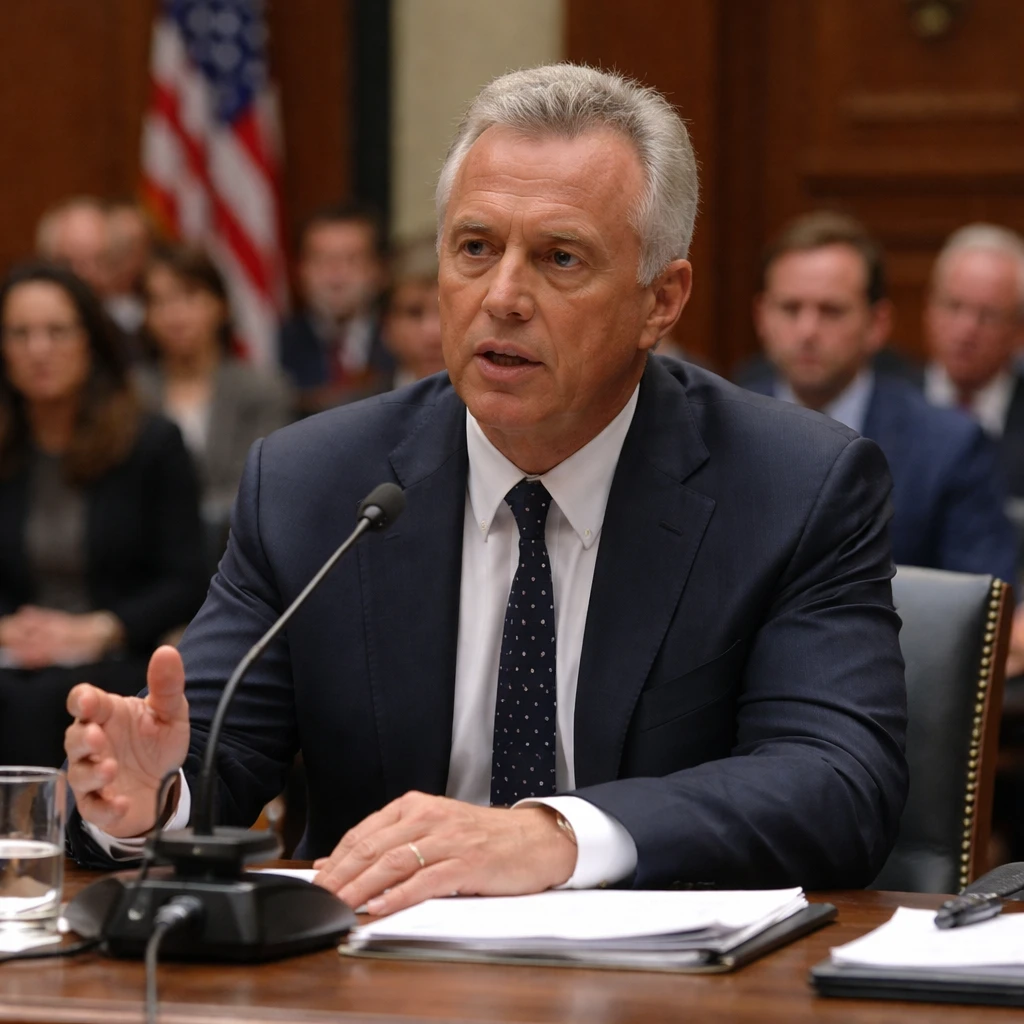
Health Secretary Robert F. Kennedy Jr. told lawmakers on Tuesday that the White House did not direct him to stop discussing vaccines or other contentious policy positions in the run-up to November’s midterm elections.
At his fourth Congressional hearing this week, Kennedy opened by stressing issues related to nutrition and food safety. In that opening statement he omitted mention of his recent efforts to change national vaccination policy or his work to probe causes of autism.
During questioning Representative Marc Veasey, a Democrat from Texas, asked Kennedy whether White House Chief of Staff Susie Wiles or any other official had instructed him to refrain from raising vaccine skepticism. Kennedy replied succinctly: "no."
An earlier news report this month said the White House had asked health officials to shift policy conversations toward topics perceived as more popular, as President Donald Trump and the Republican Party aim to hold narrow congressional majorities. Kennedy’s response to Veasey directly addressed those reporting lines by denying any such instruction.
Kennedy, who has been identified publicly as a longstanding anti-vaccine activist, experienced a legal setback last month when a court blocked significant parts of his proposed revisions to U.S. vaccine policy and his plan to overhaul a CDC advisory panel on immunizations.
Calley Means, a White House food policy adviser and described in coverage as a close ally of Kennedy, also rejected the notion that the administration told Kennedy and his associates to avoid discussing vaccines. Speaking at the Politico Health Care Summit in Washington, Means said: "I think that these are just ongoing conversations about where to prioritize on what’s leading to a problem in American healthcare." She added, "We’re not apologizing for what’s happened on vaccines."
Separately on Tuesday, Kennedy said he had reviewed Erica Schwartz’s stance on vaccines prior to her nomination to lead the U.S. Centers for Disease Control and Prevention. Kennedy’s remarks came amid heightened scrutiny of vaccination policy debates and public health messaging as political actors consider messaging priorities ahead of the midterm elections.
Context and reporting limits - The statements in this article are drawn from testimony and public comments made during the week of hearings and the Politico Health Care Summit. Where reporting cited earlier coverage that the White House had urged a shift in discussion topics, Kennedy and a close ally denied receiving or acting on any directive to stop discussing vaccines. The article does not add or infer additional motives or outcomes beyond those stated publicly by the involved parties.