
Key developments
Executives speaking at the FT Commodities Global Summit on Wednesday warned that vessels from parts of Asia could begin using the Strait of Hormuz sooner than Western-owned ships as a fragile U.S.-Iran ceasefire holds. The assessment rests on differences in risk tolerance, sanctions compliance and the availability of government-backed support for certain fleets.
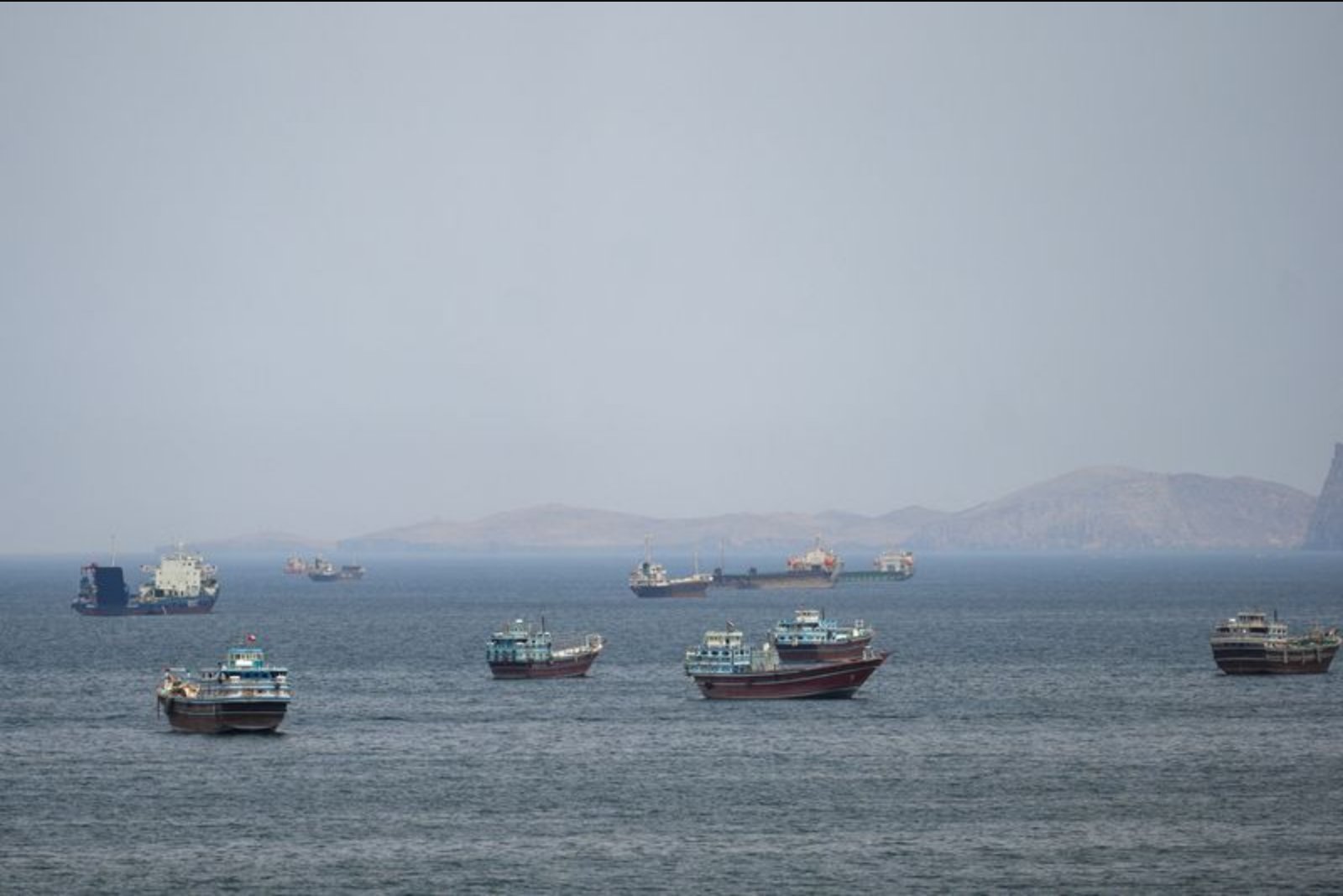
Hundreds of tankers and other ships have remained trapped inside the Gulf since the end of February, contributing to what executives described as the world’s largest energy supply disruption in terms of oil and liquefied gas flows. Although some tankers and cargo ships managed to leave the Gulf last Saturday, Iran responded by firing shots and ordering other vessels to return, according to the executives. On Wednesday, at least three container ships were reported to have been struck by gunfire in the strait.
Mercuria’s global head of freight, Larry Johnson, told delegates that firms willing to forgo compliance with OFAC sanctions - OFAC is the U.S. Department of the Treasury’s Office of Foreign Assets Control - face a different calculus on safety and commercial viability. "For companies that are happy not to comply with OFAC sanctions, the safety part is still there. But, if that has been resolved by government to government communication, can the Indian navy send a convoy through, can a Chinese convoy go through? Yeah, probably so," he said.
Johnson added that the vessels which have so far transited have generally been government-owned and benefited from direct government-to-government dialogue with Iran or from naval protection - options not available to typical merchant traders.
Peter Weernink, CEO of SwissMarine, echoed that expectation, saying certain national fleets - he listed Indian, Iraqi and Chinese vessels - are likely to be able to pass through in the coming weeks while many other operators will remain unable to do so.
Tolls and safety costs
Tehran has attempted to exert greater control over the strait by levying tolls in coordination with Iran’s Islamic Revolutionary Guard Corps, an entity that is sanctioned. Shipping executives said those charges, combined with ongoing safety concerns, are likely to have a material effect on traffic through Hormuz.
Andrew Jamieson, co-head of the shipping arm Clearlake at Gunvor, said the Advanced War Risk Premium is expected to rise in the short-term as costs increase and as seafarers become more reluctant to accept deployments in the area without higher pay. "If your crew doesn’t want to go, they don’t need to go if they feel unsafe," he said, underscoring the human element that will influence whether ships return to the route.
Roger Horton, chief commercial officer at Clarkson, noted that the global fleet could respond rapidly to a reopening of Hormuz, even though many vessels departed the Middle East earlier in the crisis to pursue business in the Atlantic Basin where freight rates remain attractive.
Context limitations
The executives’ comments reflect operational and commercial observations presented at the summit. Where specifics are not detailed by the speakers, the article does not add further factual claims beyond their statements.