
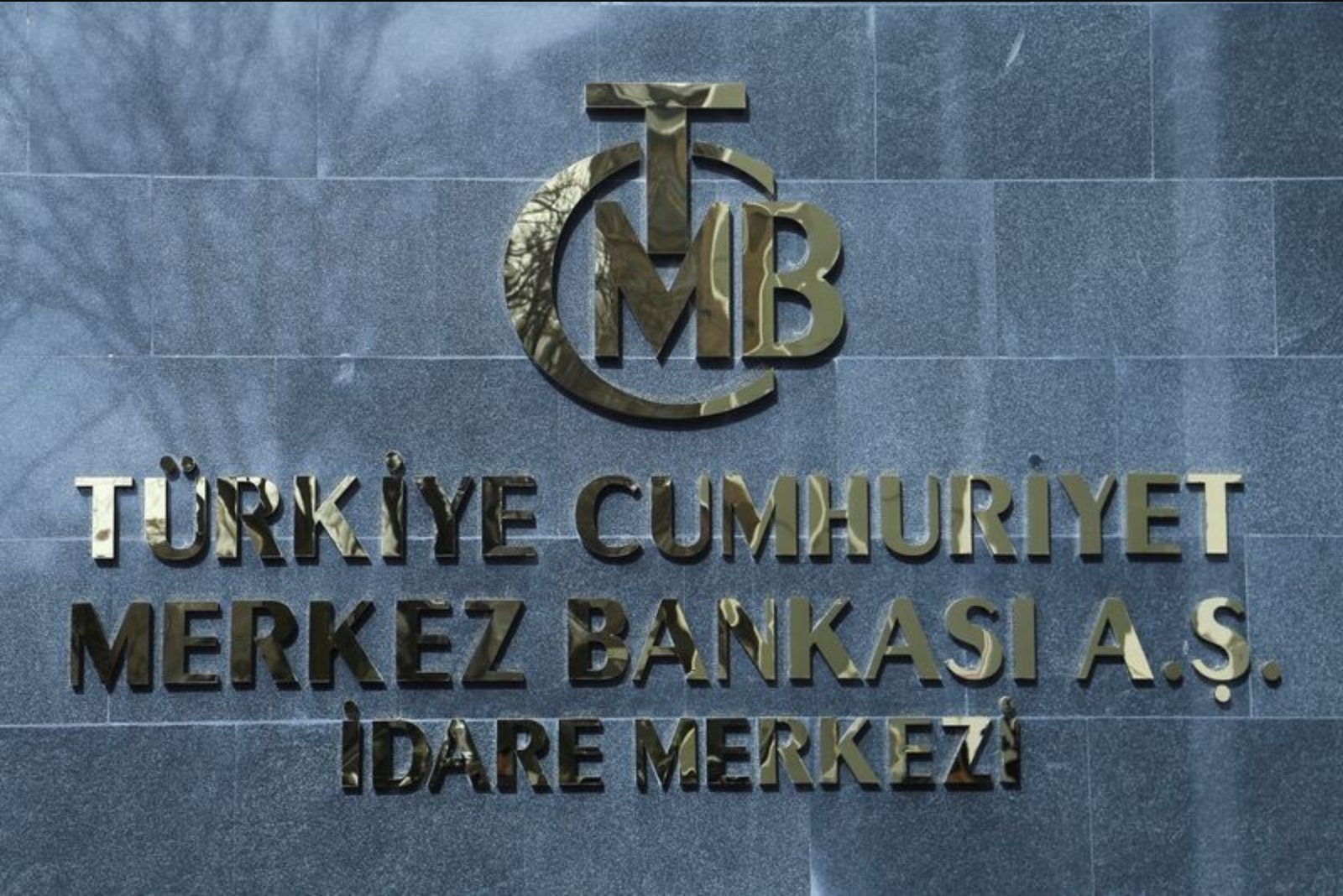
TURKEY - The central bank of Turkey maintained its main policy rate at 37% on Wednesday, opting not to raise borrowing costs but signaling caution amid geopolitical developments tied to the Iran war. The policy committee underscored that the conflict could alter inflation dynamics and said it was monitoring for any "potential second-round effects" on consumer prices.
The committee noted that leading indicators point to a slight increase in the underlying inflation trend in April. It also highlighted that energy prices remain elevated and display notable volatility against the backdrop of the regional conflict.
Policy measures have already reflected the bank's cautious stance. Since the outbreak of the war, the central bank has not conducted one-week repo auctions, a move that has pushed the effective overnight lira rate up to 40% - the upper limit of its policy corridor. On Wednesday the bank left overnight rates unchanged.
Market expectations ahead of the meeting matched the decision for most observers. In a Reuters poll, 19 of 23 economists surveyed forecast no change to borrowing costs, while four respondents predicted a rate increase. Before the regional conflict began reshaping expectations, the central bank had been widely expected to continue a rate-cutting cycle that began in late 2024.
The war-related rise in energy prices has been particularly disruptive for economies that rely heavily on imports. Turkey reported consumer inflation of 30.87% in the most recent month, and the central bank has cited the conflict's potential to push inflation higher as a reason to pause easing.
Separately, the broader geopolitical situation saw a development on Tuesday when U.S. President Donald Trump extended the war ceasefire indefinitely.
Despite the pause, economists generally expect the central bank to resume cutting rates in September. Rising inflation expectations have prompted analysts to raise their year-end forecasts for the policy rate. The Reuters poll now projects the policy rate will be cut to 32.75% by the end of the year, higher than previous estimates, and the median forecast for end-2026 consumer price inflation has been revised up to 27.53% from 25.38% in the prior survey.
The central bank has in recent years moved in response to volatile political and economic conditions. A year ago, it temporarily reversed course and raised rates amid political instability that unsettled markets, before returning to rate cuts by mid-2025. Ahead of Wednesday's decision some banking officials had expected a 300-basis-point increase to formalize the effective tightening already in place in the overnight market, though the committee did not enact such a hike.
In its February quarterly inflation report, the central bank kept its interim end-2026 inflation target at 16% while widening its forecast range to 15-21% from a previous 13-19% span.
The Reuters poll, conducted between April 15 and April 20, pointed to a slower pace of easing in the months ahead. That survey shows the policy rate at 32.75% by end-2026, a projection that has risen from earlier expectations, and a further decline to 28% by mid-2027.
Growth and external balances also featured in the poll. Economic expansion is expected to come in at 3.2% this year and accelerate to 4% in 2027, according to the economists surveyed. The government’s three-year roadmap, by contrast, projects growth of 3.8% this year and 4.3% next year. The current account deficit is forecast in the poll to narrow to 2.3% of GDP this year and to 2.1% in 2027.
For markets and trade-dependent sectors, the central bank's decision preserves a high real rate environment for now while leaving the door open to renewed easing later in the year. Import-intensive industries remain exposed to swings in energy costs and to the lira's effective overnight rate, which has been driven up by the suspension of one-week repo auctions. The bank's emphasis on monitoring second-round effects highlights a focus on preventing persistent inflationary pressures that could feed through wages and prices across the economy.
Looking ahead, the committee's language points to a watchful approach: policy will react to evolving inflation signals and geopolitical uncertainties, and economists' revised forecasts indicate a slower rollback of policy tightness than previously anticipated.
Key data and forecasts cited:
- Policy rate held at 37%.
- Effective overnight lira rate near 40% following a pause in one-week repo auctions.
- Consumer inflation at 30.87% in the most recent month.
- Reuters poll projects policy rate of 32.75% by end-2026 and 28% by mid-2027.
- Median end-2026 consumer inflation forecast in the poll: 27.53% (previously 25.38%).
- Economic growth in the poll: 3.2% in 2026, 4% in 2027; government roadmap: 3.8% in 2026, 4.3% in 2027.
- Current account deficit expected to narrow to 2.3% of GDP this year and 2.1% in 2027 (poll).