
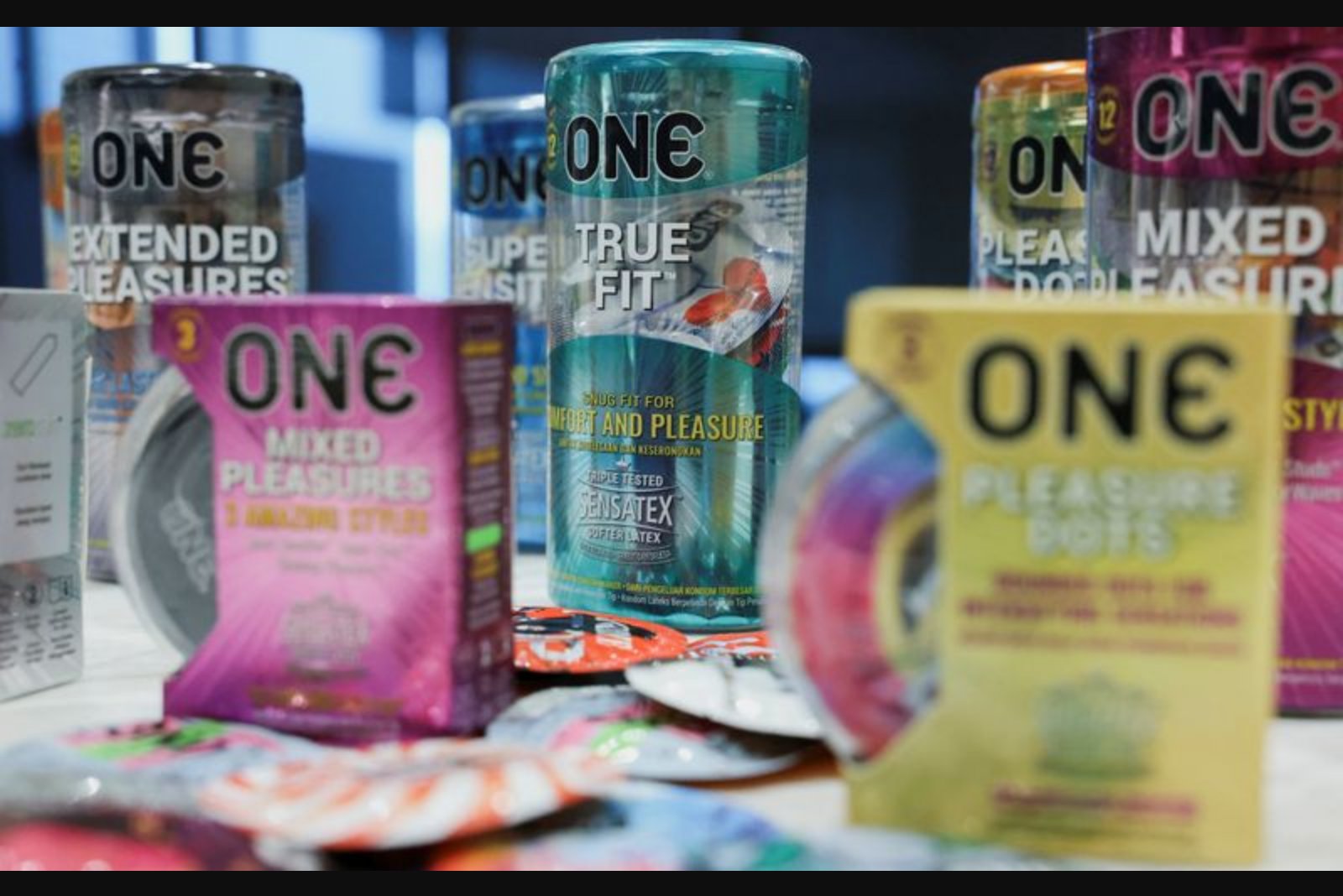
Comments by Goh Miah Kiat, head of Malaysian condom manufacturer Karex Bhd, warning that the company planned to increase prices by 20%-30% - and potentially more if supply disruptions tied to the Iran war persist - have set off a wave of attention on Chinese social media.
On Weibo - China’s equivalent of X - the hashtag "condom prices rising" attracted more than 60 million views by Thursday as users debated the practical impact of higher condom prices. The online discussions gained momentum after Goh linked possible price rises to supply chain interruptions related to the Iran crisis, a development many users said was affecting daily life in unexpected ways.
Responses on the platform ranged from pragmatic to humorous. Some commentators said they would continue to purchase condoms despite higher prices because the products are essential for pregnancy prevention. Others urged buying in advance, suggesting stockpiling as a preferred response to the warning. One user wrote, "A few dozen yuan for a condom is a hundred times more cost-effective than raising a child at a million yuan." Another added, "From now on, not only will we have to be frugal, but we’ll also have to stock up on condoms in advance."
The online flare-up arrived at a sensitive policy moment in China. Authorities have been attempting a variety of measures to lift the nation’s long-declining birth rate and counterbalance an ageing population. Births in China fell to a record low last year, a fact that has informed recent policy discussions and interventions.
Karex, which produces more than 5 billion condoms annually, supplies major global brands including Durex and Trojan. A companywide price increase would therefore add another element to rising family-planning costs in China, industry observers noted.
Earlier this year, China eliminated a tax exemption that had been in place for about three decades on contraceptive drugs and devices. As a result, condoms and contraceptive pills are now subject to the standard value-added tax rate of 13% that applies to most consumer goods. That change has already increased the cost burden on family-planning products for Chinese consumers.
Manufacturers and sellers active in the Chinese market were contacted for comment. Condom companies Reckitt, LifeStyles, Ansell, and Renfu did not immediately respond to requests for comment.
The viral social media reaction highlights how a supply-chain-linked pricing warning from a major producer can ripple quickly into consumer sentiment and purchasing behavior, particularly when it touches on everyday goods tied to broader social policy concerns.
Summary
A statement from Karex's CEO that condom prices could rise substantially due to Iran-linked supply disruptions has gone viral on Weibo, prompting millions of views and discussions about stockpiling, while coming against the backdrop of higher family-planning costs after China removed a decades-old tax exemption on contraceptives.