
Asian markets opened with strength carried over from Wall Street, with benchmarks in Japan, South Korea and Taiwan striking all-time highs early in the session. The advance was bolstered by favourable corporate and economic reads in the region, including SK Hynix reporting a record quarterly profit, South Korea posting its fastest quarterly growth in nearly six years, and Japan seeing manufacturing activity expand at its strongest rate in four years for April.
Those positives, however, offered only transient relief. The rally lost momentum and many indexes reversed course, leaving a broad swathe of bourses in negative territory as the trading day progressed. Market participants found it difficult to embrace higher risk fully while geopolitical frictions persisted.
Tensions in the Middle East have been a central brake on risk appetite. Iran has seized two vessels in the Strait of Hormuz, and a tenuous ceasefire remains uncertain. In parallel, U.S. military forces have intercepted at least three Iranian-flagged tankers in Asian waters and have been redirecting them away from positions near India, Malaysia and Sri Lanka, according to shipping and security sources. Those developments have contributed to renewed upward pressure on oil, with Brent crude futures moving back above $100 a barrel.
The energy price dynamic is filtering through corporate statements and government assessments. Companies across consumer goods, travel and mining sectors have already signalled caution, saying the conflict is increasing costs, disrupting supply chains and weighing on consumer confidence - all factors clouding corporate outlooks. Governments are likewise raising concerns about the economic effects of higher energy bills.
In government commentary, New Zealand's Finance Minister Nicola Willis said on Thursday that the country's economic recovery has been delayed but not derailed, attributing part of the setback to conflict-driven fuel price increases and weakened business and consumer sentiment. Meanwhile, Germany's economy ministry has revised its outlook by trimming growth forecasts for 2026 and 2027 and lifting its inflation projections.
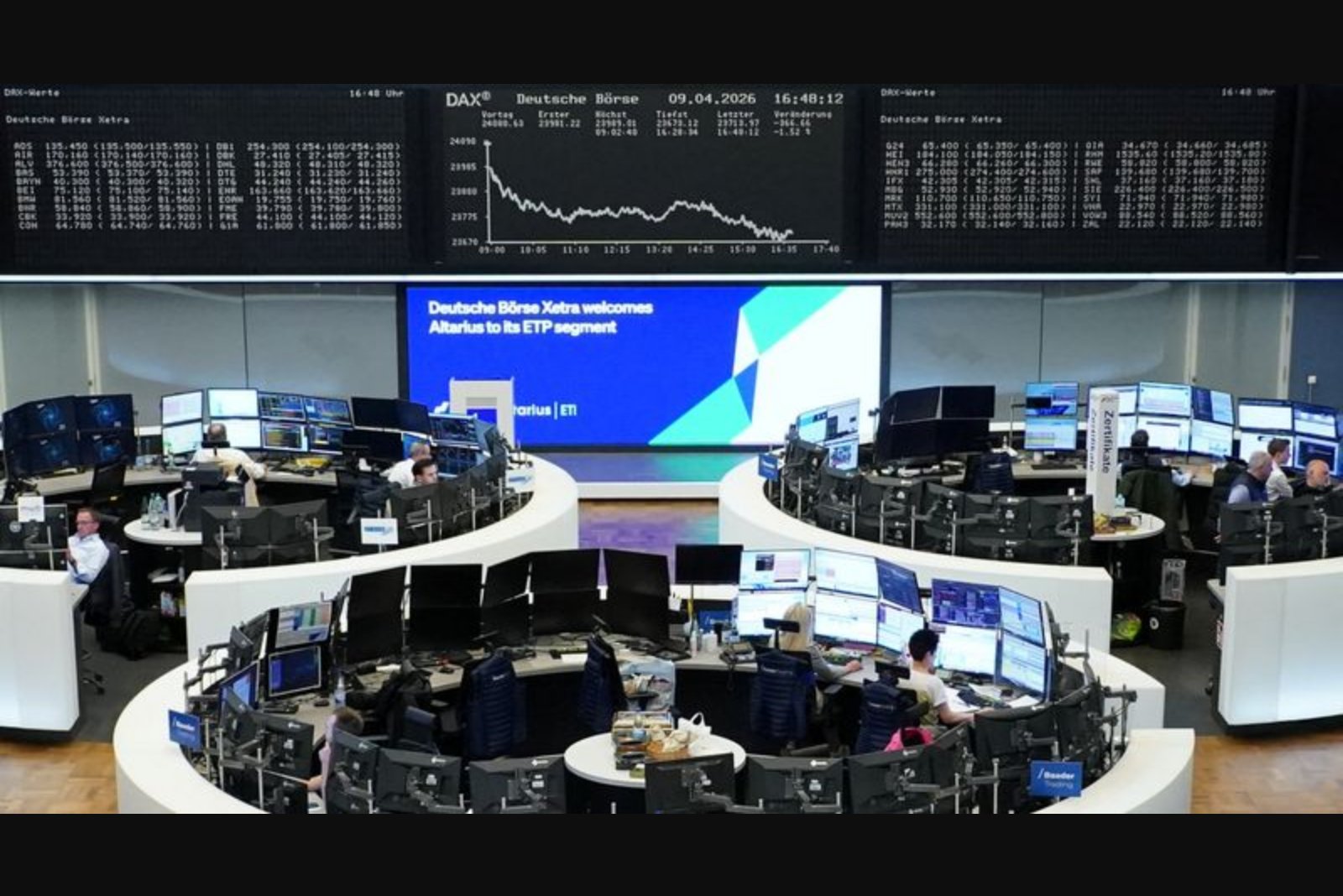
Market participants will be watching a busy European schedule for further direction. The day includes flash purchasing managers' index readings for April from the UK, Germany, France and the broader euro zone, alongside a fresh round of corporate earnings from companies including Nokia, J Sainsbury and Orion Oyj. These datapoints and results could either reinforce the cautious market stance or offer fresh impetus for risk-taking, depending on the tone and detail.
Key developments to watch:
- UK, France, Germany and euro zone flash PMIs for April
- Earnings reports from Nokia, J Sainsbury and Orion Oyj
The combination of stretched equity valuations in parts of Asia, firming commodity prices and an unsettled geopolitical backdrop has left investors balancing recent gains against an uncertain near-term outlook. For now, the market reaction suggests that while pockets of strength exist, the broader appetite for risk is being tested by events that directly affect energy supply, shipping routes and consumer behaviour.