
Economy April 11, 2026 05:07 PM

Trump Warns China Would Face 'Big Problems' if It Supplies Arms to Iran

President signals firm stance as talks with Tehran and regional diplomacy continue; naval activity rises near the Strait

By Jordan Park
Share
Twitter Reddit Facebook LinkedIn

President Donald Trump warned that China would encounter "big problems" should it ship arms to Iran, while offering a mixed appraisal of ongoing negotiations with Tehran. He highlighted increased naval operations around the Gulf, noting minesweepers are "sweeping the Strait" and warning of "a couple of mines in the water." Concurrent diplomatic efforts include three-party talks with Iran and Pakistan and preparations for Israel-Lebanon negotiations in Washington, D.C.

Trump Warns China Would Face 'Big Problems' if It Supplies Arms to Iran
Summarize with
ChatGPT Perplexity Claude Grok Gemini

Key Points

  • President Trump warned China would face "big problems" if it ships arms to Iran - impacts diplomatic relations and defense sector assessments.
  • Trump described negotiations with Iran as "very deep negotiations" while also saying it "makes no difference" to him whether a deal is reached - this uncertainty can influence markets sensitive to geopolitical risk.
  • Heightened naval operations were reported, with minesweepers "sweeping the Strait" and a warning of "a couple of mines in the water" - implications for energy and shipping sectors due to potential disruptions in strategic waterways.

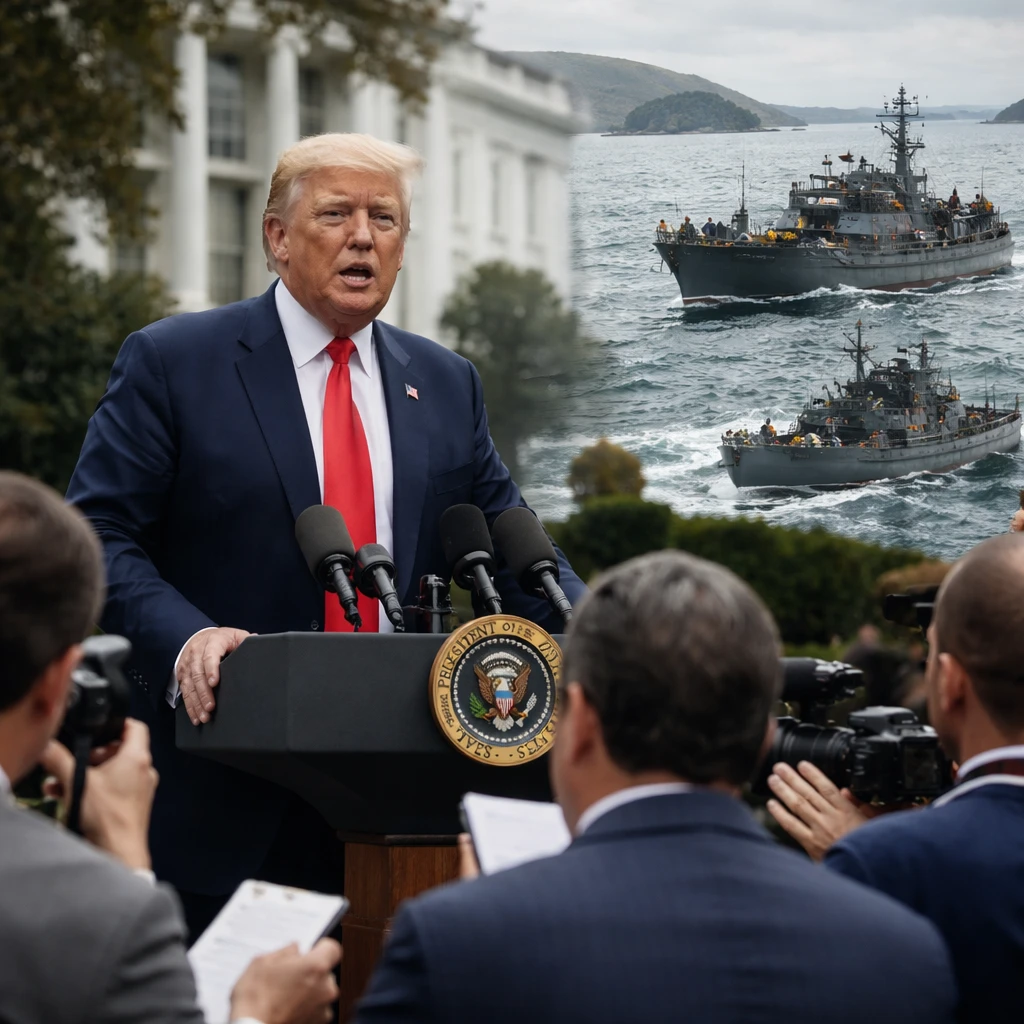
U.S. President Donald Trump said today that China would face "big problems" if it were to ship arms to Iran. He delivered the remark to reporters outside the White House amid a broader public assessment of the diplomatic landscape in the Middle East.

Trump struck a mixed tone on negotiations with Tehran. He said it "makes no difference" to him whether a deal is reached, while characterizing the ongoing contacts as "very deep negotiations." He framed the outcome as uncertain but optimistic from his perspective, stating that "maybe they make a deal, maybe they don't" and adding that "regardless what happens, we win."

The president also drew attention to heightened maritime activity in and around the Gulf. He said minesweepers are operating and are "sweeping the Strait," and cautioned that there could be "a couple of mines in the water." Those comments underscore an operational focus on securing key sea lanes in the region.


Diplomatic efforts continue on multiple fronts. Three-party talks between the U.S., Iran and Pakistan began on Saturday. Those discussions followed a fragile two-week ceasefire that was announced in a conflict described as lasting seven weeks, a war that has killed thousands of people and shaken global markets. The three-way talks came after separate meetings involving U.S. and Iranian officials and Pakistan's Prime Minister Shehbaz Sharif.

Separately, planning is underway on another diplomatic track. Negotiations between Israel and Lebanon are expected next week in Washington, D.C., adding another dimension to the broader regional diplomatic activity.

Trump's comments combined firm warning, operational reporting and guarded optimism about the negotiation process. He emphasized both the immediate security actions being taken at sea and the uncertain diplomatic prospects onshore, while reiterating a confident outcome in U.S. terms should talks continue or conclude without agreement.

Risks

  • Potential escalation if arms transfers occur - could increase demand in defense markets and heighten geopolitical risk for investors.
  • Maritime threats such as mines in the Strait could disrupt shipping and energy supplies - poses short-term volatility risk for energy and transportation sectors.
  • Uncertain diplomatic outcomes from ongoing talks - markets remain exposed to shifts in the political landscape depending on whether agreements are reached.

More from Economy

Euro-zone yields steady as Iran-Israel truce eases energy worries; focus shifts to ECB decision Jun 9, 2026 Why the BOJ’s June Decision Could Matter More for the Path Than the Size Jun 9, 2026 Kenya Keeps Policy Rate at 8.75% as Middle East Conflict Pushes Fuel Costs and Inflation Higher Jun 9, 2026 Brazil to keep renewing fuel-price measures while Middle East conflict disrupts supply Jun 9, 2026 Czech government projects deficit to peak in 2027 before gradual decline Jun 9, 2026