
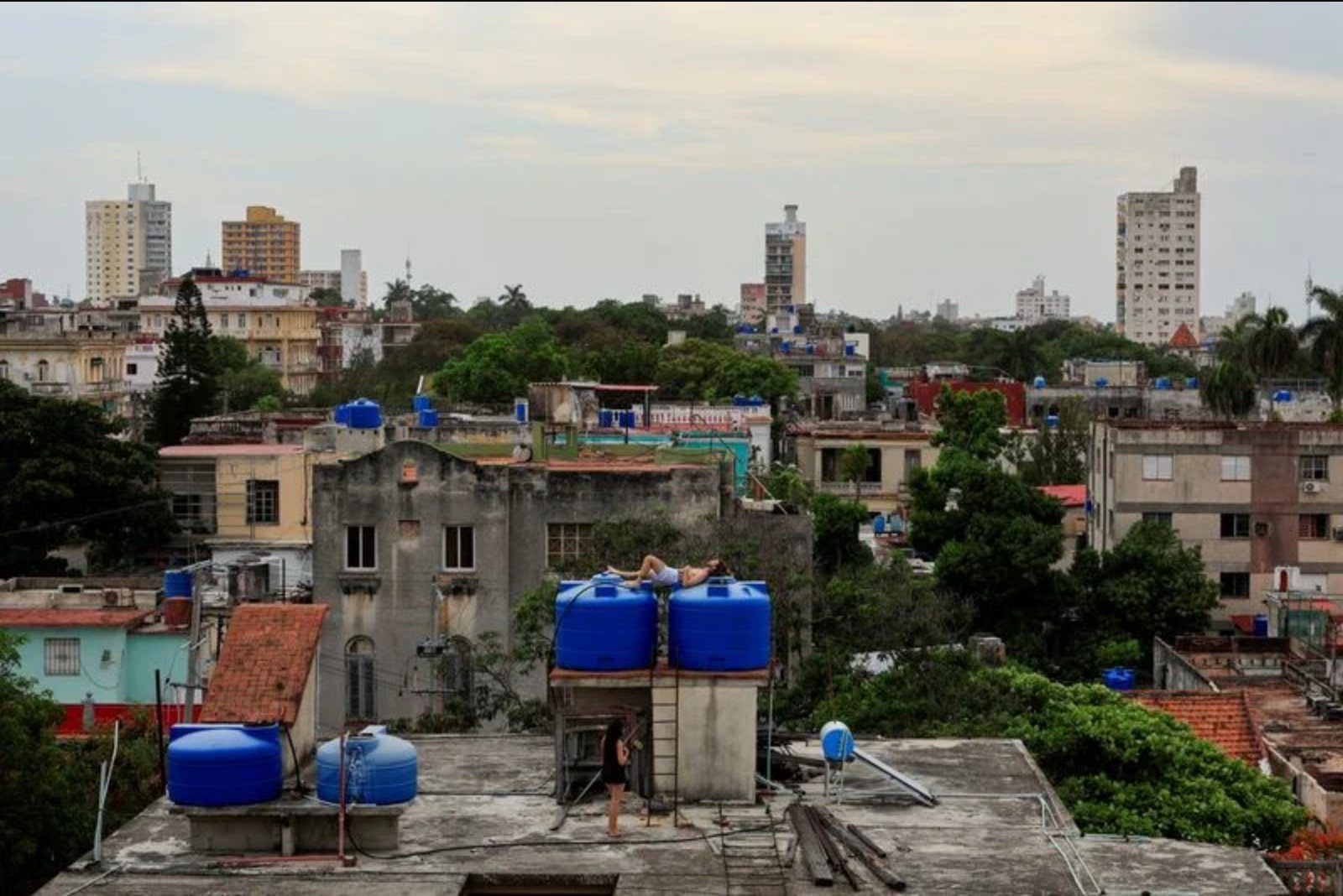
On Sept. 4 the U.S. embassy in Havana released a health advisory pointing to a marked uptick in intestinal illnesses and diarrhea across Cuba, attributing the surge to failures in the country’s water and electricity systems. The alert cautioned both travelers and residents about the health implications of degraded utilities and the resulting challenges for food safety.
Embassy advisory and immediate concerns
"The U.S. Embassy has noted a significant increase in diarrheal illness across Cuba, associated with the continuing degradation of the water and energy infrastructure," the alert said. "This degradation affects water supply, and food storage and temperature control."
The message flagged specific risks related to refrigeration and sanitation, urging caution around perishable foods that may have been stored improperly and recommending avoidance of foods that appear to have been left at room temperature for prolonged periods.
Fuel restrictions and infrastructure strain
The embassy notice arrives nine months after the Trump administration imposed what the advisory describes as a fuel blockade on the island. That restriction has been linked in the alert to a sharp rise in power outages, which in turn have complicated refrigeration, sanitary measures, and other services that rely on steady electricity and fuel for generation.
Residents in multiple parts of Cuba have reported extended blackouts in recent months. During the region’s hot summer months, the lack of effective temperature control has had a direct impact on both personal comfort - with air conditioning and fans often unavailable - and the ability of households and businesses to preserve food safely.
U.N. experts raise alarm
A team of U.N. appointed human rights experts warned in August that tightening sanctions have increased the risk of disease outbreaks on the island. The experts characterized the unfolding situation in stark terms:
"The humanitarian consequences are already unfolding into a full-blown crisis, threatening the rights to health, to life, to food and to development," the experts said.
The U.N. assessment also noted earlier criticisms from human rights specialists who have labeled the fuel blockade a violation of international law.
Policy aims and official U.S. position
The Trump administration has defended the sanctions and fuel restrictions as instruments intended to compel a change in Cuba’s government. That objective reflects a long-standing U.S. policy goal toward the island since the 1959 revolution. Officials have described Cuba as a national security concern, a characterization reiterated in public statements by the administration.
On-the-ground impacts and public reports
Across communities, residents have reported widespread illnesses characterized by several days of diarrhea, fever and body aches, with many people left confined to bed during the course of their illness. The embassy’s advisory stressed practical precautions for food safety given unreliable refrigeration and intermittent water supplies.
What the advisory recommends
- Exercise caution with perishable foods that may have been inadequately stored.
- Avoid eating foods that appear to have been sitting at room temperature for extended periods.
- Be mindful of the increased risk of intestinal illness while utilities remain unreliable.
The advisory and U.N. warnings together underscore growing humanitarian concerns tied to degraded infrastructure and the effects of externally imposed fuel restrictions. The notice is framed as a public health communication aimed at reducing immediate risks to residents and visitors while highlighting the broader consequences of ongoing energy and water system failures.