
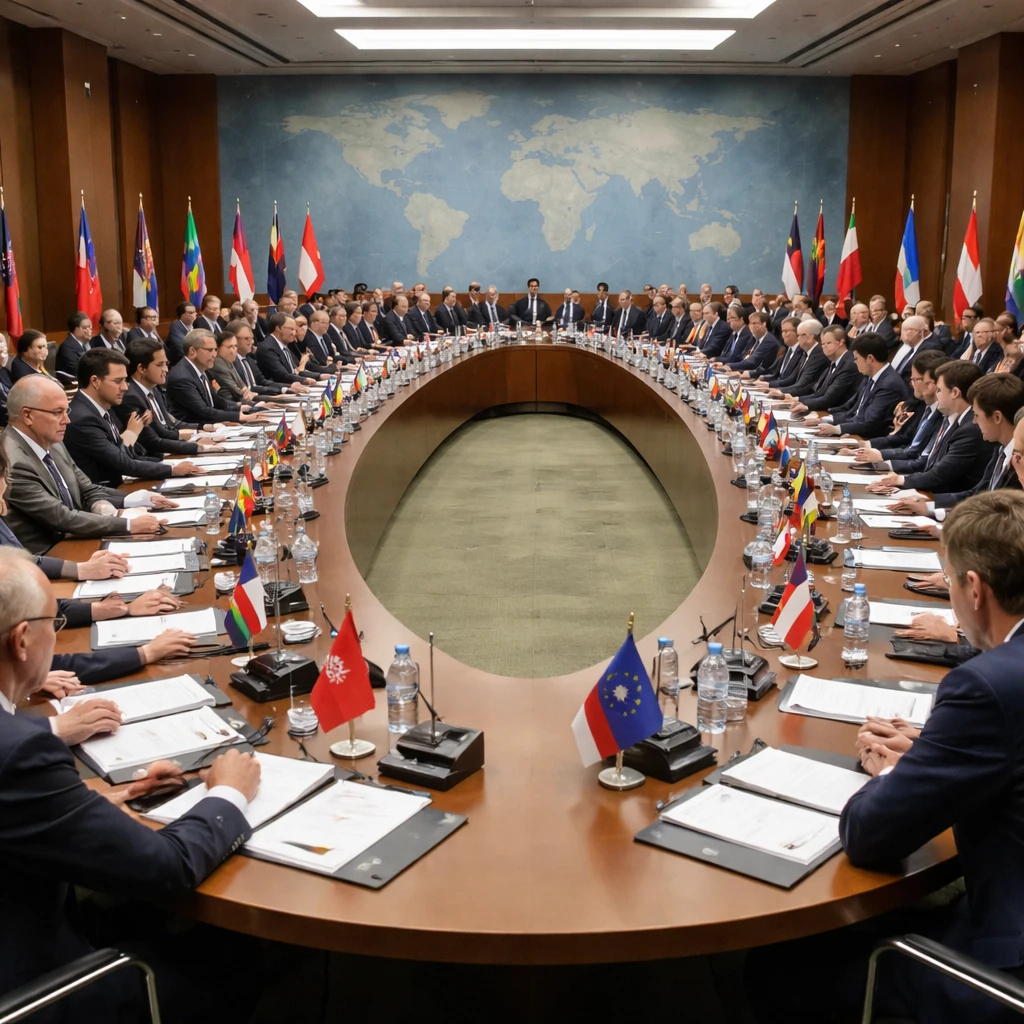
GENEVA, Sept 5 - Representatives of the 128 countries that participate in the framework governing certain conventional weapons agreed on Saturday to a text aimed at regulating or banning systems judged indiscriminate or likely to cause excessive harm. The document addresses weapons that can select and engage targets with varying degrees of autonomy - often referred to in public debate as "killer robots."
The agreement is non-binding but is being viewed as a consequential step after more than ten years of negotiations on how to manage weapons that incorporate autonomous targeting functions. By being adopted by consensus, the text could create a pathway toward formal treaty discussions, although no legally binding instrument was produced in Geneva.
Not all observers were satisfied. Nicole van Rooijen, executive director at Stop Killer Robots, said the final wording of the document and the measures intended to lessen potential civilian harm appeared to have been weakened. "It’s a real shame that all the work done by states on the text over the past three years has been substantially diluted in the last hours," she said.
Diplomats worked late into the night to bridge differences in language, as some countries resisted provisions that would commit them to international legal obligations. The United States and Russia were named among those preferring national guidelines rather than an international, legally binding approach. According to the negotiated text, flexibility was preserved in parts related to the exercise of human judgment, reflecting those positions.
The talks took place in Geneva under the auspices of the Convention on Certain Conventional Weapons. Delegates noted heightened concern about the deployment or potential deployment of lethal autonomous weapons systems in active conflicts, with participants pointing to recent fighting in Ukraine, Sudan and parts of the Middle East as context for urgency.
While the consensus text is non-binding, delegates characterized it as a potential opening for more formal treaty negotiations if states choose to pursue that route. Opposing views among major powers on whether to move from voluntary guidance to binding international rules remain a central unresolved tension.
Context and next steps
- The document adopted by consensus does not itself create enforceable international law, but could enable future negotiations toward a treaty.
- Significant disagreement persisted about language and legal scope, requiring extended deliberations to reach consensus.
- Humanitarian and civil society groups signaled concern that the final text is weaker than earlier drafts prepared over the last three years.