
Economy June 7, 2026 05:56 AM

Swiss companies channel $27 billion into U.S. projects after tariff accord, NZZ am Sonntag reports

Pharma, medical technology, shipping and industrial firms lead a surge in U.S. investment as Switzerland moves to meet a $200 billion pledge

By Hana Yamamoto
Share
Twitter Reddit Facebook LinkedIn

Swiss firms invested $27 billion in the United States from January through April as part of a broader commitment tied to a tariff agreement with Washington. The spending covers pharmaceuticals, medical technology, shipping and industrial production, and comes amid ongoing U.S. tariff actions related to forced labour.

Swiss companies channel $27 billion into U.S. projects after tariff accord, NZZ am Sonntag reports
Summarize with
ChatGPT Perplexity Claude Grok Gemini

Key Points

  • Swiss firms invested $27 billion in the U.S. between January and April, according to an internal Swiss-American Chamber of Commerce email reported by NZZ am Sonntag.
  • The spending is connected to a Nov. 14 pledge that Swiss companies would invest $200 billion in the U.S. over five years, linked to a preliminary tariff deal that cut punitive U.S. tariffs on Swiss goods to 15% from 39%.
  • Major recipients and projects include Novartis (San Diego biomedical research centre; Texas cancer-drug production), Roche (expanded output in North Carolina), Ypsomed (new factory), MSC (new North American headquarters in Miami) and industrial expansions by Pfiffner Group and Elma.

Swiss companies have committed $27 billion in investment to the United States during the period from January to April, according to figures cited in an internal communication from the Swiss-American Chamber of Commerce that was reported by NZZ am Sonntag.

The reported total is framed as part of a broader Swiss pledge made on Nov. 14 that Swiss firms would invest $200 billion in the U.S. over the following five years. That commitment accompanied a preliminary trade understanding under which U.S. President Donald Trump reduced punitive tariffs on Swiss goods to 15% from a prior 39% level; the higher rate had been imposed at the beginning of August.

The recent investments span several sectors. Major pharmaceutical companies are prominent among the announced projects: Novartis has disclosed two U.S. initiatives, including plans for a biomedical research centre in San Diego and a cancer-drug production facility in Texas. Roche is reported to be expanding output in North Carolina, and medical technology firm Ypsomed is building a new factory in the same state.

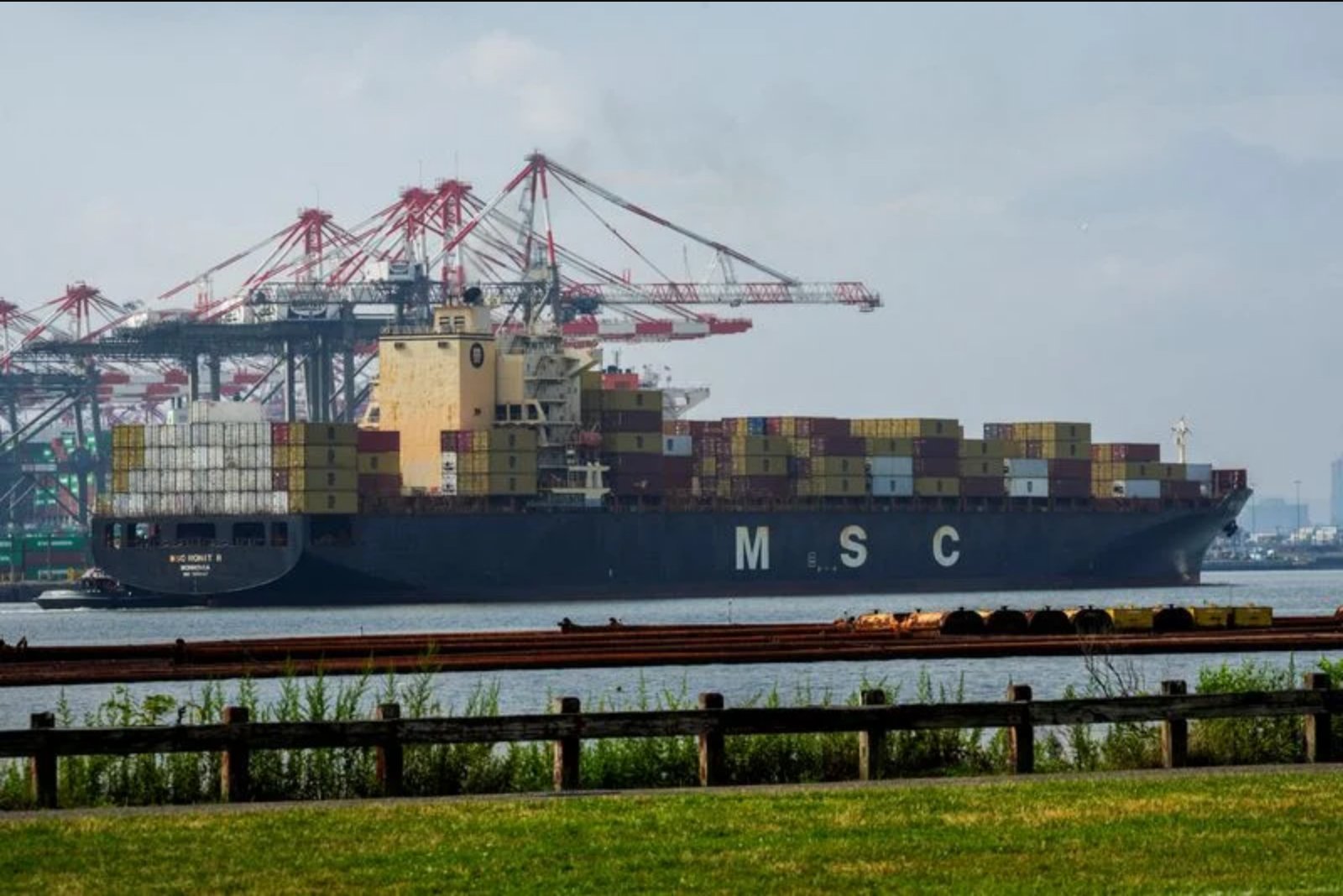
Outside life sciences, the shipping group MSC is establishing a new North American headquarters in Miami, with related spending on cruise and logistics operations included under that activity. Industrial manufacturers are also increasing U.S. capacity: machine tool maker Pfiffner Group and electronics firm Elma are cited as expanding production facilities in the United States.

Commenting on the investment push, Swiss-American Chamber of Commerce Chief Executive Rahul Sahgal was quoted as saying: "We are model students and we fulfil our promises."

At the same time, Washington this week announced new tariffs aimed at countries it says are not doing enough to combat forced labour. The newspaper also reported that, under that measure, the U.S. plans a 12.5% tariff on Swiss goods compared with 10% for goods from the European Union.


The information reported by the Swiss-American Chamber of Commerce provides a snapshot of early-year deployment of capital tied to a high-profile bilateral commercial arrangement. Announced projects cover research, manufacturing and corporate presence, with a concentration in life sciences, logistics and industrial manufacturing.

While the reporting details specific company commitments and some geographic concentrations within the U.S., it does not provide a sector-by-sector breakdown of the full $27 billion total or a timeline for completion across the projects cited.

Risks

  • Ongoing U.S. tariff actions: Washington announced new tariffs this week related to forced labour, which could alter trade and cost dynamics for companies operating cross-border.
  • Differential tariff rates: The report notes a planned 12.5% U.S. tariff on Swiss goods under the new measure compared with 10% for EU goods, representing a potential headwind for Swiss exporters relative to EU competitors.
  • Incomplete disclosure of investment timelines and sector splits: The internal email cited a $27 billion figure but did not provide a full sector-by-sector allocation or detailed project timelines, creating uncertainty about near-term capital deployment and operational impacts.

More from Economy

Deutsche Bank Sees Euro Area Growth Slowing Sharply in 2026 After Energy Shock Jun 7, 2026 Heat Pumps May Be a Quiet but Significant Driver of Power Demand in Europe Jun 7, 2026 Drone strike hits spent fuel handling building near Chornobyl, Ukraine says Jun 7, 2026 Cyprus Central Bank Chief Urges End to Political Resistance on Joint European Debt Jun 7, 2026 Mass Protests in Seoul Demand Rerun After Ballot Shortages Disrupt Local Vote Jun 7, 2026