
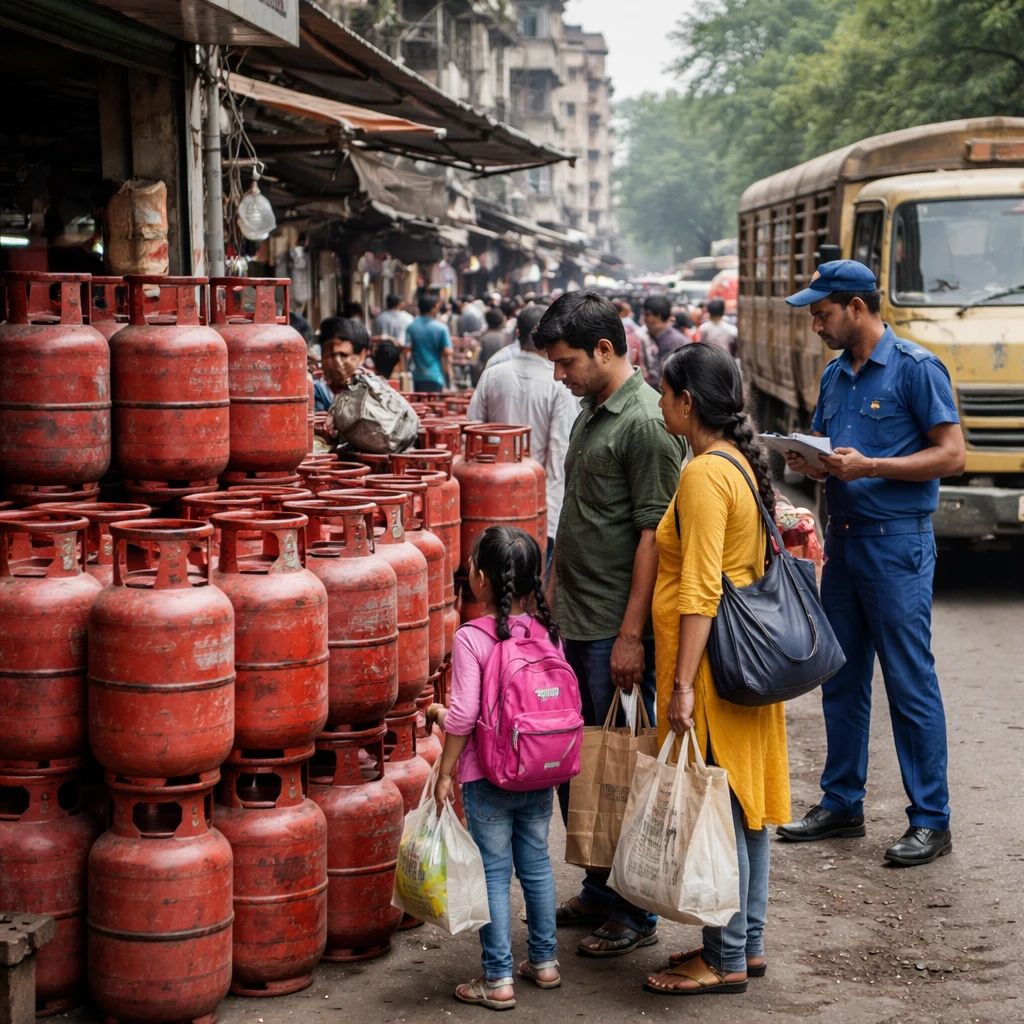
India has implemented another rise in the retail price of household cooking gas, raising the cost of a standard 14.2-kilogram liquefied petroleum gas cylinder by 29 rupees across the country. The increase comes as state-run fuel retailers contend with growing deficits from supplying subsidized LPG to consumers amid higher import bills linked to the Iran war.
Following the latest revision, the retail price for a 14.2-kilogram cylinder in New Delhi will be 942 rupees, according to Indian Oil Corp., the nation’s largest refiner. The change also affects households that receive direct government subsidy payments - they will see higher out-of-pocket prices after this adjustment.
India operates a regulatory system for domestic LPG that allows authorities to set household prices below market levels and provide compensatory payments to state fuel retailers to cover the shortfall. As import costs have risen sharply, that compensation burden has increased, tightening margins for refiners and other state-owned marketers.
The country is heavily dependent on imported LPG, which has left it sensitive to disruptions in regional supplies. India imports roughly two-thirds of the LPG it consumes, and historically about 90% of those shipments have originated from the Middle East. Those sourcing patterns have exacerbated the impact of supply interruptions and higher freight costs tied to the Iran conflict.
Government figures cited by officials indicate the cost to supply a domestic LPG cylinder has climbed to around 1,600 rupees. That estimated supply cost remains substantially above the prevailing household retail price, even after the latest increase, highlighting the scale of the fiscal strain on state retailers and the subsidy framework.
The latest LPG price rise compounds inflationary pressures on Indian consumers. In recent weeks households have already absorbed multiple increases in transportation fuel costs after the government raised diesel and gasoline prices on four occasions last month. Those adjustments, together with the cooking gas increase, weigh on consumer budgets.
Commercial LPG - the product used by restaurants and industry - is subject to monthly market-linked adjustments and continues to trade at much higher levels than subsidized household cylinders. After the current revision, domestic consumers will pay roughly 66 rupees per kilogram for LPG, while commercial users face rates near 164 rupees per kilogram.
The move illustrates the broader economic consequences of the Iran conflict for major energy importers. Disruptions to supply routes and rising transportation costs have pushed fuel prices across Asia, creating a policy dilemma for governments: keep fuels affordable for households or allow market prices to limit fiscal exposure.
India’s refining sector and public fuel retailers remain under scrutiny as policymakers balance the need to ensure fuel availability nationwide with mounting fiscal pressures from subsidizing energy amid higher global import costs.