
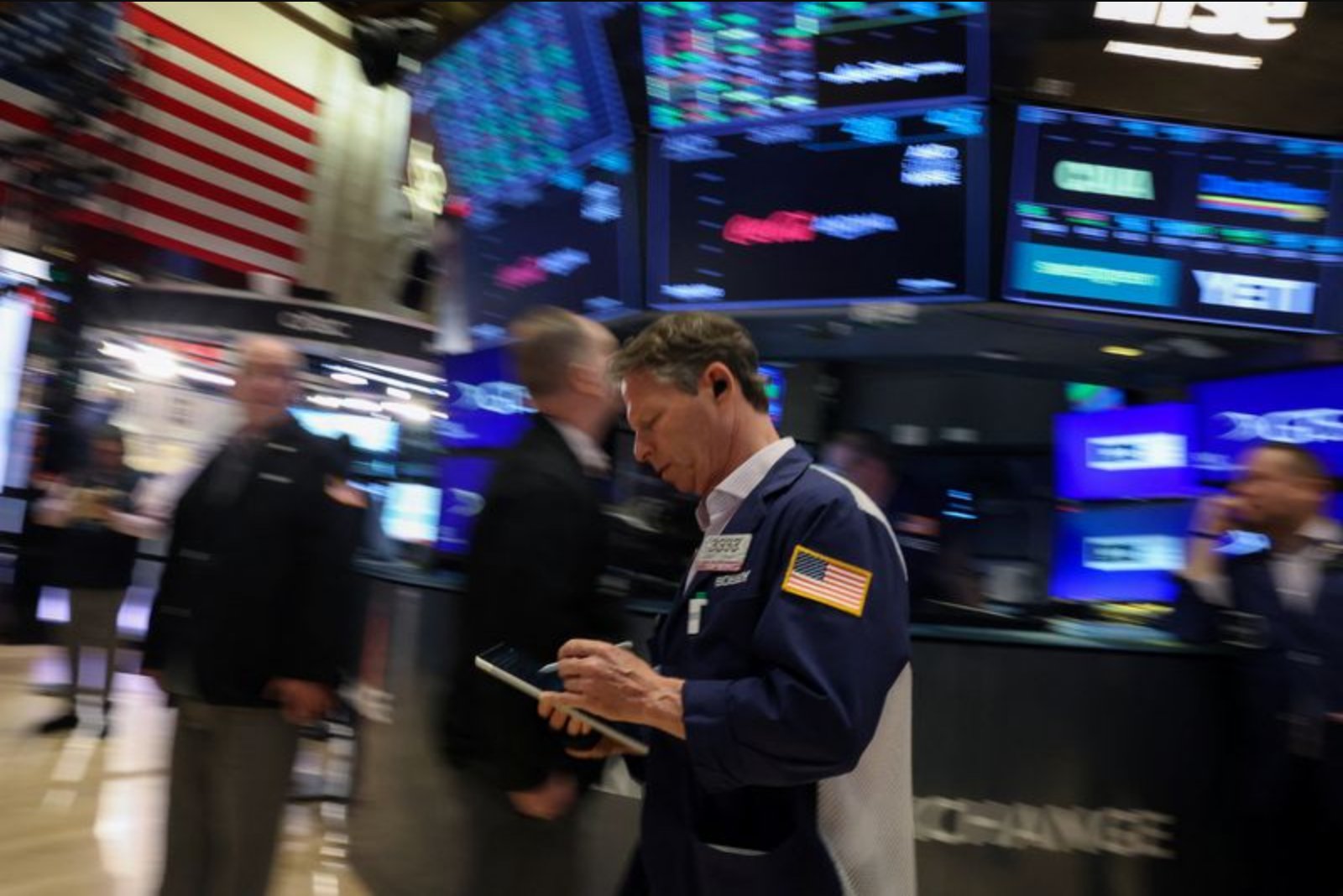
The S&P 500 touched an intraday record high on Wednesday, marking the first time the index has reached that level since the U.S.-Iran conflict began. The move reflected a renewed appetite for risk as investors reacted to signs that hostilities may ease and to robust expectations for corporate profits.
Traders appeared to be re-pricing near-term escalation risk, indicating a greater willingness to assume that the conflict will not intensify immediately. U.S. President Donald Trump said talks with Iran to end the war could soon resume and result in a deal, after weekend negotiations in Islamabad broke down. That comment helped feed an atmosphere in which market participants were more comfortable adding exposure to equities.
Markets had fallen sharply last month when hostilities erupted, producing an historic shock to oil markets and reigniting concerns about inflation and the implications for U.S. interest rates. After the conflict began on February 28, the S&P 500 fell as much as 9% from prior levels but did not quite reach the technical threshold for a correction. By contrast, both the Nasdaq and the Dow Jones Industrial Average did close at least 10% below recent peaks and thus confirmed corrections.
Support for equities also came from expectations of a solid corporate earnings season. Executives at major banks reported that the U.S. consumer remained resilient in the face of the oil price shock, and the pipeline for deals and initial public offerings was described as robust. Analysts compiled by LSEG now expect S&P 500 companies to report combined first-quarter earnings of $605.1 billion, up from a $598.7 billion forecast at the start of the quarter.
Several brokerages viewed the market selloff as an opportunity to buy stocks at more attractive valuations after the conflict pushed prices down. That view helped sustain buying interest as investors weighed the improved earnings outlook against geopolitical uncertainty.
Despite Wednesday’s gain and the intraday record, significant risks remain. The prospect of renewed escalation in the conflict continues to hang over markets, and any flare-up would likely test the recent confidence among investors. Even if tensions ease, other concerns that shaped sentiment prior to the war may return to the fore - notably worries about disruption tied to artificial intelligence.
Private credit firms are also contending with redemption risk as some investors seek to exit positions in response to market volatility and uncertainty. Such pressures in private markets form an additional channel of vulnerability that could influence broader financial conditions should they intensify.
Market context
In short, the new intraday high for the S&P 500 came amid a mixture of diminished near-term geopolitical fear and firmer earnings expectations. While traders have been more willing to price in less severe escalation risks, the durability of that stance depends on whether diplomatic progress materializes and whether pre-existing macro and technological concerns reassert themselves.