
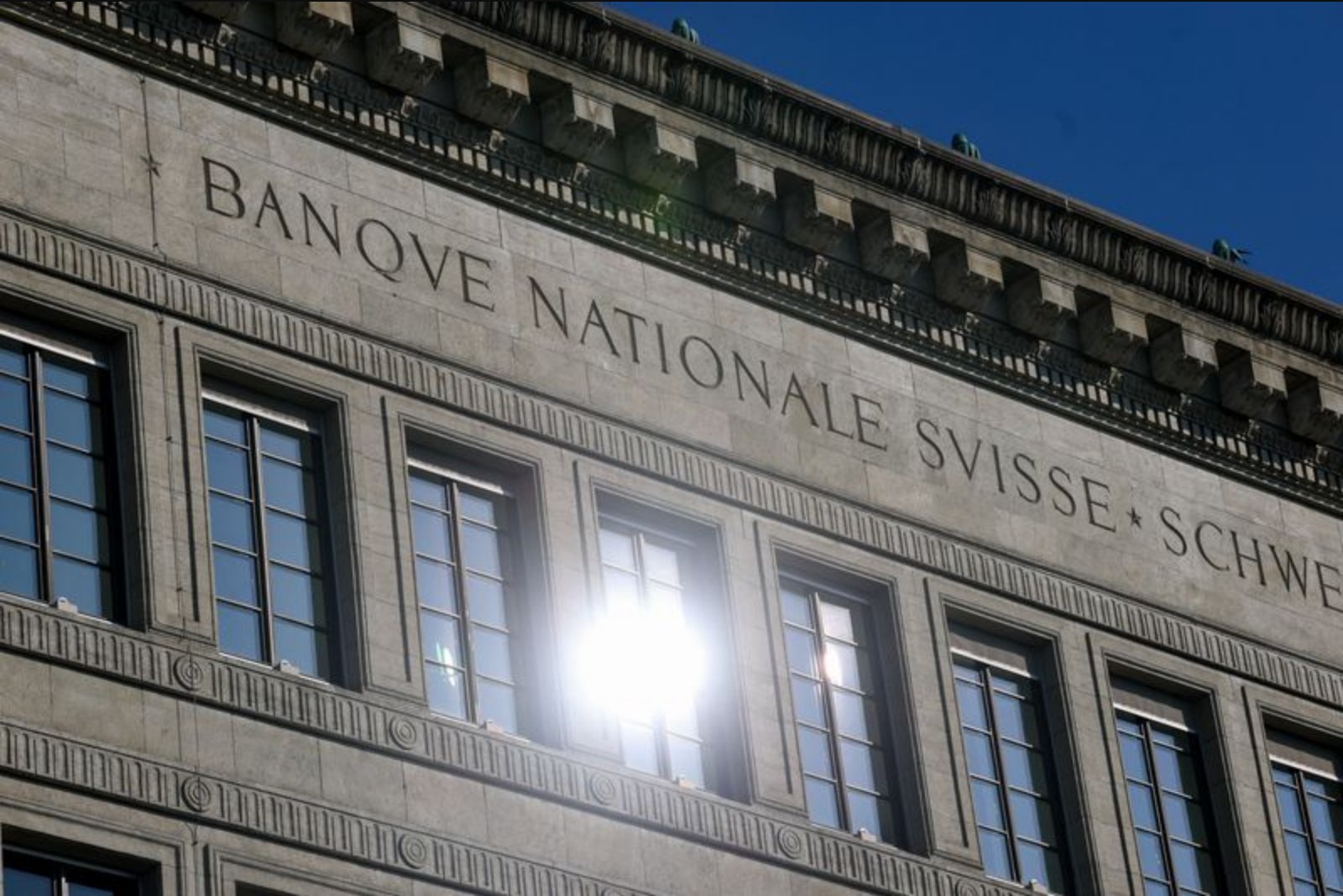
Bern, April 24 - Swiss National Bank Chairman Martin Schlegel publicly defended the SNB's investment policy on Friday, responding to activists in Minneapolis who have called on the central bank to dispose of its $1.1 billion stake in Palantir Technologies.
Schlegel said the SNB does not comment on individual stocks, but he explained the broader rationale behind the bank's sizeable foreign currency portfolio. He emphasized that the portfolio exists to serve monetary policy objectives and therefore must remain accessible at all times while also preserving value over the long term.
On the subject of equities, the chairman described the SNB’s stance as market-neutral. "We weight companies according to their market weight or market capitalization, in order to cover the market as broadly as possible and also to diversify risks," Schlegel said. That approach, he added, is intended to mirror broad market exposures rather than to favor individual firms.
At the same time, Schlegel outlined clear exclusion criteria the bank applies. He said the SNB excludes companies that systematically cause severe environmental damage, those that violate fundamental human rights, and firms involved in the production of banned weapons. The bank relies on outside specialists to perform the screening and to make the relevant assessments.
"Naturally, we work with external specialists who carry out the screening for us and also make the corresponding assessments," Schlegel stated, adding confidence in the robustness of that process. He also noted that assessing companies is not always straightforward: "There are shades of grey, and there are even other colours as well," he said, indicating that some cases require nuanced judgement rather than clear-cut decisions.
The exchange with activists seeking divestment of the Palantir holding highlights the tensions central banks can face between maintaining broad, market-reflective portfolios and responding to political or ethical calls to exclude particular companies. Schlegel refrained from commenting on the specifics of individual investments while setting out the principles that guide the SNB's approach.
Key points
- The SNB defends a market-neutral equity policy that weights companies by market capitalization to achieve broad coverage and diversification - impacting institutional investment strategies and equity markets.
- The bank prioritizes liquidity and long-term value preservation for its foreign currency portfolio to support monetary policy - relevant to central banking operations and sovereign asset management.
- The SNB applies exclusions for companies that cause systematic severe environmental harm, violate fundamental human rights, or produce banned weapons, using external specialists for screening - pertinent to ESG and compliance functions in finance.
Risks and uncertainties
- Public pressure to divest specific holdings - this could create reputational and political risk for the SNB and influence discussions about sovereign investment mandates, particularly in the equities sector.
- Complexity in company assessments - Schlegel acknowledged "shades of grey," indicating that some exclusion decisions are not clear-cut and may lead to differing interpretations by stakeholders, affecting ESG screening processes.