
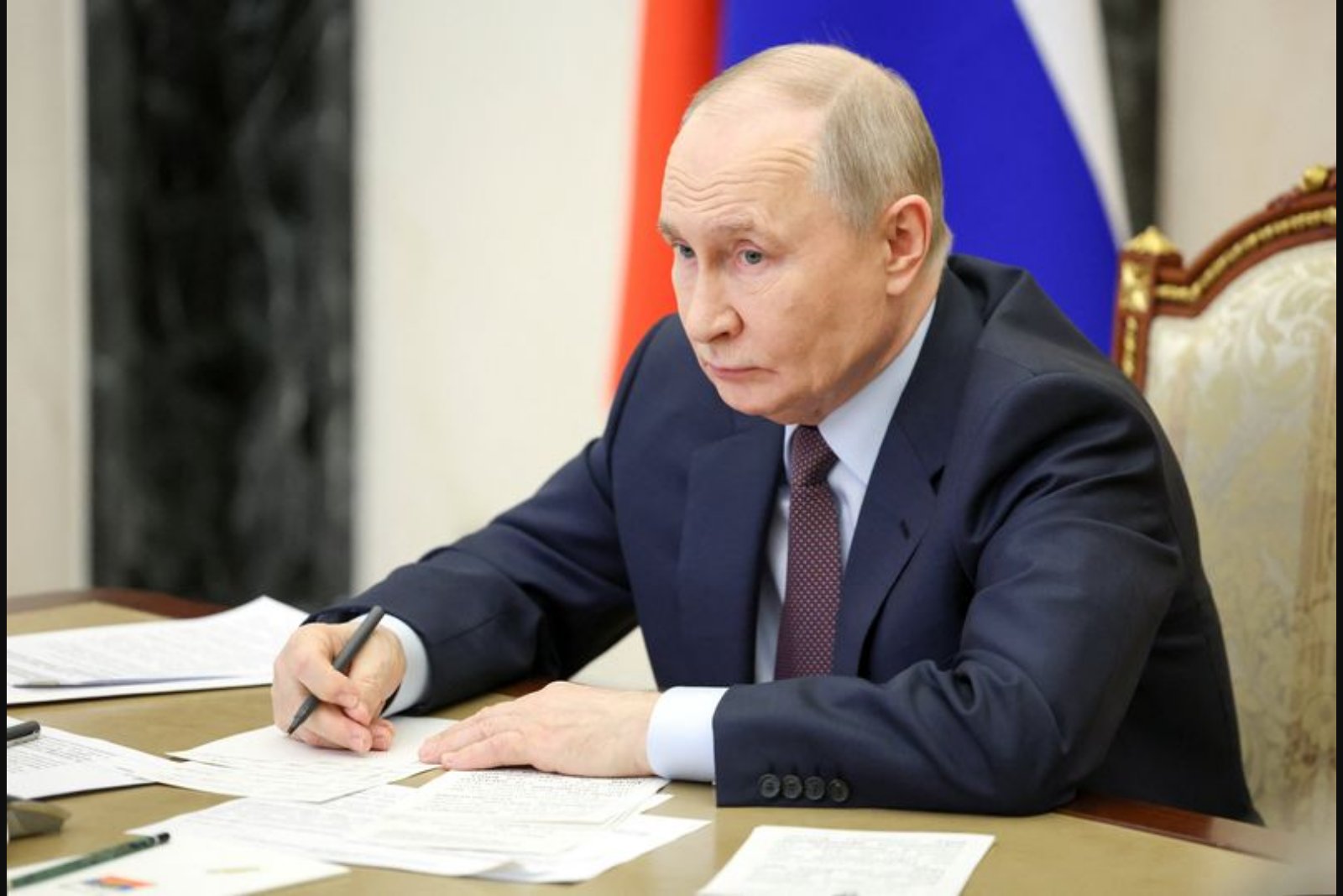
Russian authorities on Friday said President Vladimir Putin could attend the G20 leaders’ summit in Miami in December, responding to U.S. signals that Russia will be invited to the Group of 20 meeting the United States is hosting this year.
The Kremlin statement followed comments by U.S. President Donald Trump suggesting it would be useful for Putin to attend, and echoing his previous view that expelling Russia from the G8 was a mistake. A U.S. official familiar with the matter said Washington had invited Russia to the annual G20 gathering and that Moscow had accepted the invitation.
Kremlin comment and representation options
A Kremlin spokesman, Dmitry Peskov, told state television correspondent Pavel Zarubin that "President Putin may go to Miami as a member of the G20, or he may not go, or another Russian representative may go." Peskov also stated that Russia would be represented properly at the summit and emphasized Moscow's view that the G20 is very important in light of crises emerging around the world.
Russian news agencies quoted Deputy Foreign Minister Alexander Pankin as saying Russia had been invited to take part at the top level in Miami.
Mixed messages from Washington
The sequence of comments coming from Washington showed uneven clarity. The Washington Post reported that President Trump intended to invite Putin to the summit. Trump later told reporters he did not know whether an invitation had been issued or whether Putin planned to come. A senior administration official, speaking on condition of anonymity, said no formal invitations had been issued at the time, while adding that "Russia is a G20 member and will be invited to attend ministerial meetings and the leaders’ summit."
Separately, a State Department spokesperson said that, as a G20 member, Russia had been invited to all working-level meetings to date and that the president had been clear Russia was welcome to attend all G20 meetings as the United States focuses on delivering a successful summit.
Attendance history and context
Putin has not attended a G20 leaders’ summit since 2019, first because of the COVID-19 pandemic and later because of Russia's 2022 invasion of Ukraine, which precipitated the most serious rupture in relations between Moscow and the West since the Cold War-era tensions. Moscow's own commentary last year aligned with Trump's view that removing Russia from the Group of Eight in 2014 had been a mistake, while also asserting that the G7 had become less significant for Russia and had come to look "rather useless."
Trump's position and recent U.S.-Russia policy moves
Speaking to reporters, President Trump said Putin had been very offended by being expelled from the G8 and argued that engaging with Moscow was preferable. He said he was "of the opinion that you talk to everybody," yet also expressed skepticism that Putin would actually travel to Miami, saying "I doubt he'd come, to be honest with you. I sort of doubt he'd come."
Since beginning his second term in office, Trump has shown a warmer posture toward Russia and has at times blamed Kyiv for the conflict in Ukraine, according to the account in the statements. The administration recently extended waivers that allow some U.S. entities to buy Russian oil without triggering sanctions.
Uncertainty remains
The public record from both capitals reflects a degree of uncertainty. Moscow acknowledges the invitation and says it views the forum as important, while U.S. officials indicate invitations for working-level meetings are standard but that formal leader-level invites were, at least at one point, not finalized. Putin's personal attendance is unresolved: Kremlin officials leave the possibility open, and the U.S. president himself expressed doubt about whether the Russian leader would make the trip.
As announced positions from both sides stand, the only firm points are that Russia, as a G20 member, is being treated as eligible to participate in the sequence of meetings in Miami and that leaders from Washington and Moscow continue to offer differing public accounts regarding timing and likelihood of a presidential appearance.