
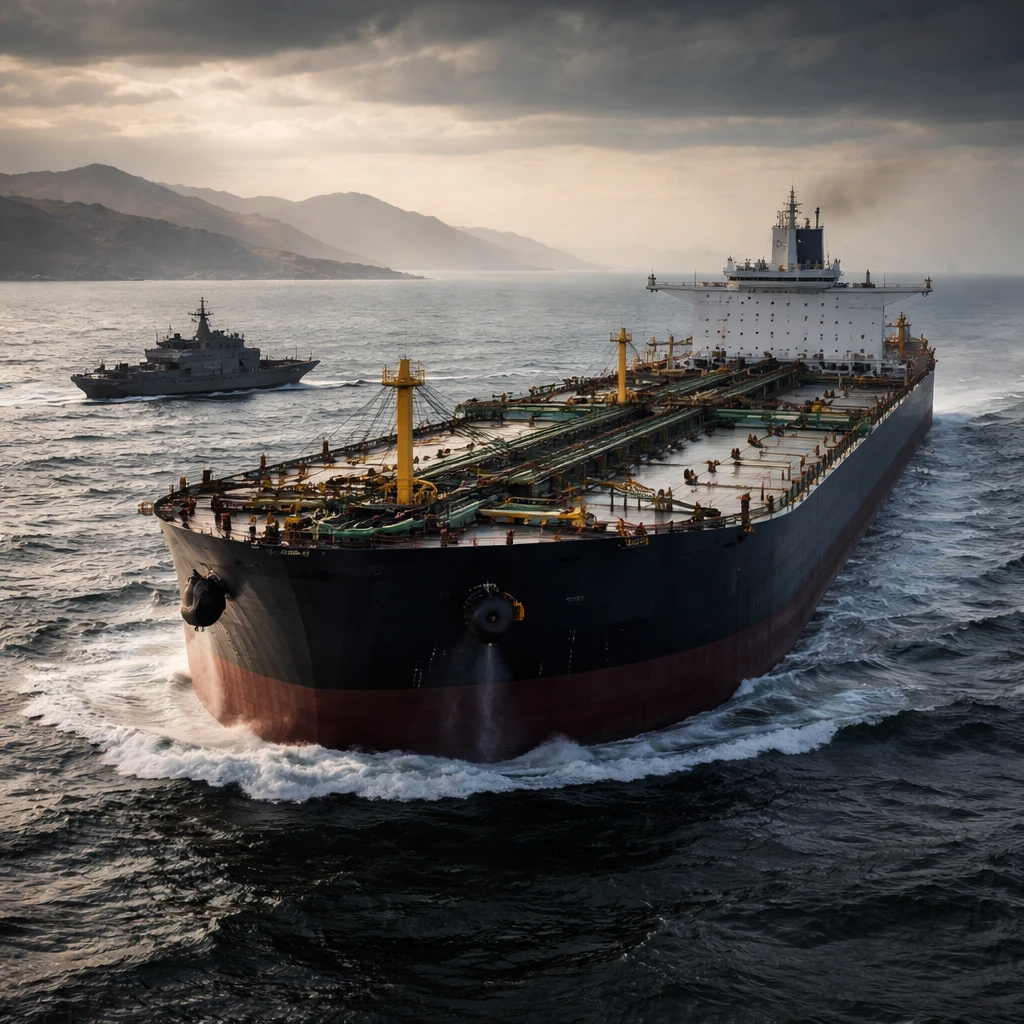
Global markets moved sharply at the start of the week as renewed tensions tied to the Iran conflict pushed oil prices higher, lifted the U.S. dollar and trimmed gains in stock futures.
In early Asian hours, Brent crude futures rose roughly 7% to $96.85 a barrel while S&P 500 futures were down about 0.9%. Currency markets reflected a risk-off tilt, with the euro trading 0.3% lower at $1.1735 and the Japanese yen easing about 0.2% to 158.95 per dollar.
Market participants were reacting to a string of developments. Iran's state news agency reported that Tehran rejected new peace talks with the United States on Sunday. Those reports came hours after U.S. President Donald Trump said he was dispatching envoys for discussions in Pakistan and warned of fresh strikes on Iran unless Tehran agreed to his terms. Tensions were further heightened by a U.S. announcement that it had seized an Iranian cargo ship that attempted to run its blockade.
The dollar's rebound on Monday followed a slide it experienced on Friday, when Iran's earlier declaration that it would open the Strait of Hormuz prompted equities and bonds to rally and sent oil prices lower. That sequence had been interpreted by investors as a signal that the seven-week conflict that had kept the strait closed might be winding down.
Market strategists stressed that despite the recent volatility the underlying picture still includes active dialogue between the parties involved. "Although clearly the news on the Strait of Hormuz closing again is not good, ships being attacked is not good, Trump again with his threats towards Iranian infrastructure is not good, the market is very much looking at this as a case of: when you boil it down, the two sides are still talking," said Michael Brown, senior research strategist at Pepperstone in London.
Brown added that equity gains seen on Friday appeared to be partly excessive and warranted some reversal. He suggested that the market should unwind a significant portion of those gains in light of the renewed closure of Hormuz and the broader deterioration in risk sentiment.
Iran's earlier announcement that the Strait would be opened had driven stocks and bonds higher on Friday, while oil fell, as investors priced in the prospect of an end to the seven-week war that had closed the vital shipping lane for crude and gas shipments. The strait's reopening lasted roughly 12 hours before it was reported closed again, a development Brown said was likely to reverse much of Friday's moves in bonds.
"Now that Hormuz is closed again after about 12 hours of being open, you’d probably expect most of the move that we saw on Friday (in bonds) to unwind," Brown said. He warned that if it became clear Iran would not attend the proposed talks, markets could shift to a markedly more risk-averse stance.
Markets had exhibited a rally last week, with U.S. equity benchmarks reaching intraday record highs on Friday. At the same time, bonds—which have not fully recovered losses tied to the conflict—saw sharp gains as oil prices fell and investors reduced wagers on interest-rate increases from the European Central Bank and the Bank of England.
Investor expectations for solid first-quarter corporate earnings have supported U.S. equities over the past week, with a large portion of results expected to be released in the days following these moves. The benchmark 10-year U.S. Treasury yield fell to its lowest level since mid-March on Friday.
The dollar had weakened late last week as demand for safe-haven assets cooled, pushing the dollar index - which measures the greenback against a basket of currencies including the yen and the euro - to its lowest level in seven weeks. Early on Monday in Asian trading the index was 0.2% higher.
Commenting on the recent market stretch, Marc Chandler of Bannockburn Capital Markets cautioned that momentum had become stretched in some places. "The risk is that the market is getting ahead of itself ... The 13-day rally in the Nasdaq is an extreme. The dollar index has fallen for nine of the past 10 sessions," he said.
As volatility remained elevated, investors continued to weigh geopolitical headlines alongside earnings season developments and central bank policy expectations. The interplay of these factors was driving rapid repositioning across oil, bond and equity markets.