
Michigan officials on Sunday rejected a U.S. Department of Justice request for ballots and other materials connected to the 2024 election, describing the move as an attempt to undermine confidence in U.S. elections.
The Justice Department sent a letter last week to the clerk in Wayne County - which includes the heavily Democratic city of Detroit - seeking ballots, ballot receipts and ballot envelopes, according to Michigan Attorney General Dana Nessel. Nessel's office made the DOJ letter public; it was authored by Assistant Attorney General Harmeet Dhillon.
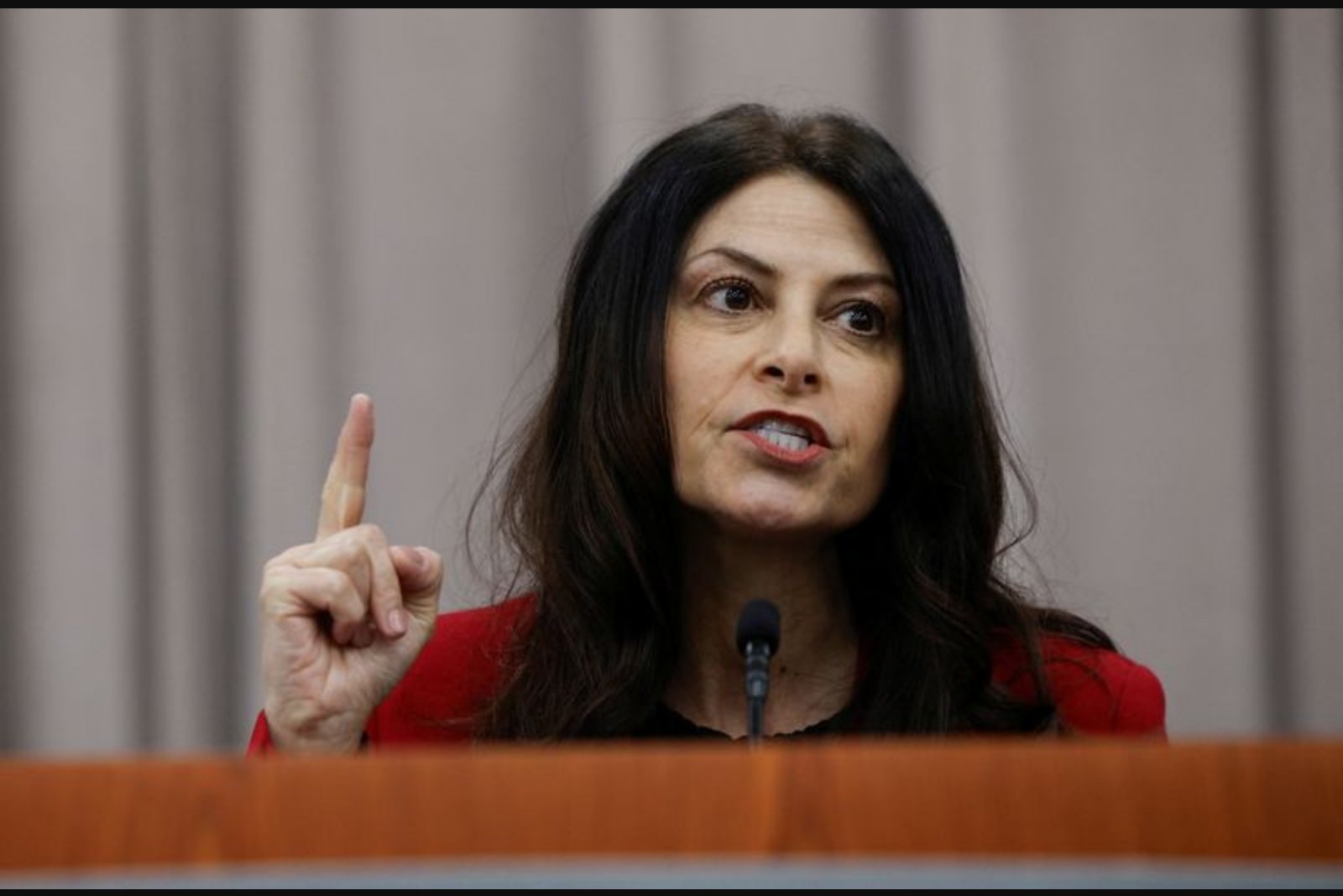
In a joint statement issued with Michigan Governor Gretchen Whitmer and Secretary of State Jocelyn Benson, Nessel vowed to resist the request. "This request is as absurd as it is baseless," the statement said. The three officials, all Democrats, said they would defend Michigan voters' rights and indicated readiness to litigate rather than surrender the requested materials.
The Justice Department's outreach in this matter comes amid broader efforts by the administration to obtain and review state voter records. Dhillon's letter specifically targeted materials related to the 2024 elections. The Justice Department's focus on election records also remains intertwined with scrutiny of the 2020 election, which continues to be a concern for several officials within the current administration.
In media appearances over the weekend, senior federal officials discussed ongoing probes and enforcement actions. On the Fox News program "Sunday Morning Futures," FBI Director Kash Patel said arrests tied to alleged issues in the 2020 election are "coming soon." On the same broadcast, Dhillon described the department's efforts to secure voter registration lists from states, saying the Justice Department has filed lawsuits against 29 states and the District of Columbia over refusals to provide access to voter rolls.
Dhillon told viewers that Justice Department staff have reviewed 60 million voter records and identified the names of 350,000 people who are dead. She did not, however, present evidence that votes were cast using those deceased persons' names. Dhillon also said approximately 25,000 individuals who lacked proof of citizenship were referred to the Department of Homeland Security "to dig into that further and see the extent to which people voted," according to her comments on the program.
Despite the Justice Department's requests and public statements, the department has faced multiple judicial rulings against its pursuit of election-related records. Federal judges have ruled unfavorably on DOJ requests in Rhode Island, California, Massachusetts, Michigan and Oregon. In one recent decision, a federal judge on Friday denied the department's effort to compel Rhode Island to relinquish non-public data on nearly 750,000 registered voters. The department had sought that data to investigate what it described as "election integrity" issues in the Democratic-led state.
Michigan's decision to push back reflects a broader pattern of resistance from state officials who argue that the department's demands risk eroding public confidence in the administration of elections. State leaders who oppose the DOJ requests have characterized the inquiries as legally unfounded and politically motivated, while federal officials maintaining the investigations point to their review of registration data and referrals to other agencies for further scrutiny.
The dispute highlights an ongoing tension between federal authorities seeking access to state election data and state officials asserting protection of voter privacy, administrative independence and electoral process integrity. Michigan's response signals an intent to litigate and defend local custodians of election records rather than comply without contest.
Summary: Michigan's attorney general, governor and secretary of state jointly rejected a Justice Department demand for ballots and related materials from Wayne County tied to the 2024 election. The DOJ letter, written by Assistant Attorney General Harmeet Dhillon, is part of a wider push for voter roll access that has led to lawsuits against multiple states and prompted judicial rebukes.
Key points:
- Michigan officials called the DOJ request for Detroit-area ballots "absurd" and vowed to fight it in court; this directly affects state election administrators and legal teams.
- The Justice Department, represented by Harmeet Dhillon, has sued 29 states and the District of Columbia seeking voter registration lists and reported reviewing 60 million records, identifying 350,000 deceased names and referring about 25,000 individuals lacking proof of citizenship to DHS for further review.
- Federal courts have rebuffed similar DOJ demands in multiple states, including a recent rejection of an effort to obtain non-public voter data on nearly 750,000 Rhode Island registrants.
Risks and uncertainties:
- Legal uncertainty - Multiple federal courts have ruled against the Justice Department's requests, creating an uneven legal landscape for federal-state disputes over election records. This affects legal and compliance sectors involved in election administration.
- Political and reputational risk - Continued demands for sensitive election materials may deepen partisan disputes and public distrust in electoral systems, with potential implications for political risk assessments used by investors and policy analysts.
- Operational risk for election administrators - Ongoing litigation and federal demands may divert local resources away from regular election administration tasks, which could have operational and administrative cost implications for county clerks and state election offices.