
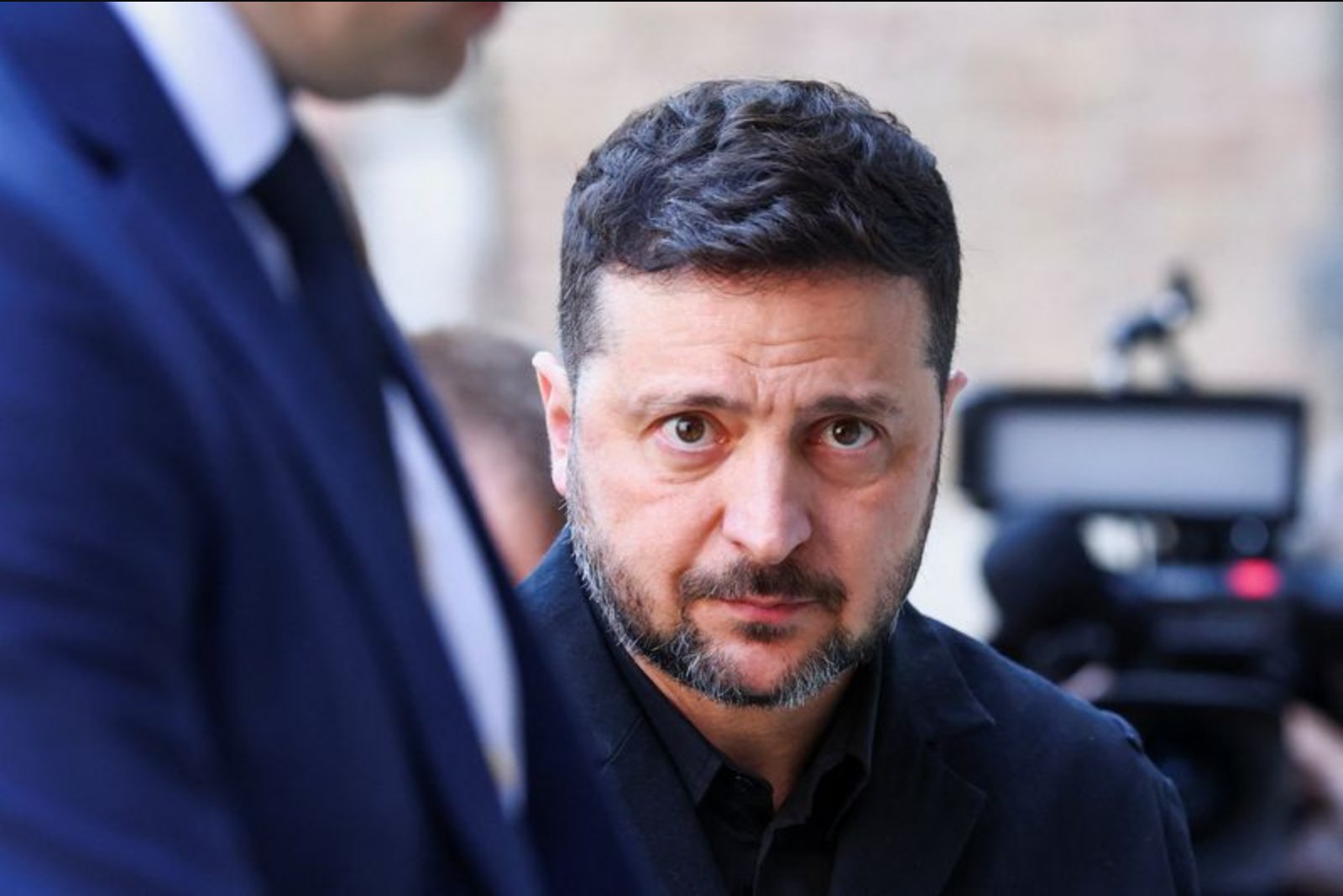
KYIV, April 19 - Ukrainian President Volodymyr Zelenskiy said on Sunday that Europe must establish its own defence against ballistic weapons and that discussions with multiple countries are already under way about building such a system. He framed anti-ballistic capabilities as one of Ukraine's most pressing security needs in the conflict with Russia.
"I believe, and my idea is that we should have a European anti-ballistic missile defense system. We are in talks with several countries and are working in this direction," Zelenskiy told the national TV channel, Marathon. He added: "We need to build our own anti-ballistic missile defense system within a year."
Zelenskiy acknowledged the scale of the challenge, saying the task is extremely difficult but realistic. He said he had discussed the proposal with key European countries but did not name those states and provided no further details.
Defending against ballistic missiles is a core difficulty for Ukraine in the war with Russia, the president said, noting that only certain missiles compatible with the American Patriot system are capable of intercepting the kinds of ballistic weapons Russia has used. Russian ballistic strikes have targeted Ukraine's energy infrastructure, damaging thermal power generation and electricity transmission systems.
In related developments, Fire Point, the maker of Ukraine's Flamingo cruise missile, told Reuters earlier this month that it is in talks with European companies to launch a new air defence system by next year. The company described the proposed system as a low-cost alternative to the Patriot, which is becoming harder to obtain.
The article noted that Patriot interceptors are in increasingly short supply amid extensive deployment in the Gulf against Iranian attacks. It also pointed out that Europe's only anti-ballistic system, the Italo-French SAMP/T, is produced in relatively small numbers.
Zelenskiy's call for a European anti-ballistic capability and parallel private-sector discussions reflect efforts to address gaps in missile defence capacity, but details on timelines, participating countries, financing, and technical arrangements remain limited in public statements.