
Asian foreign exchange trading on Wednesday saw the U.S. dollar maintain its recent gains as market attention zeroed in on the Federal Reserve's policy meeting set to conclude later in the day. The greenback held steady against a basket of currencies while investors awaited any revisions to the Fed's outlook on inflation and rates.
Markets are widely positioned for the Fed to leave interest rates unchanged at the end of the two-day gathering. That meeting carries additional attention as the last under current Fed Chair Jerome Powell, whose term is due to end on May 15. The nomination process for Kevin Warsh moved forward after Republican Senator Thom Tillis reversed his opposition, clearing a political hurdle ahead of a Congressional vote.
Dollar steady as Fed decision looms
Dollar index futures and the broader dollar index were little changed in Asian session trade, preserving gains accumulated earlier. With global central banks signaling heightened sensitivity to inflationary pressures associated with the Iran war, investors have been parsing the Fed's commentary for any shift in its planning on rates or inflation expectations.
Australian dollar slips after CPI prints slightly below expectations
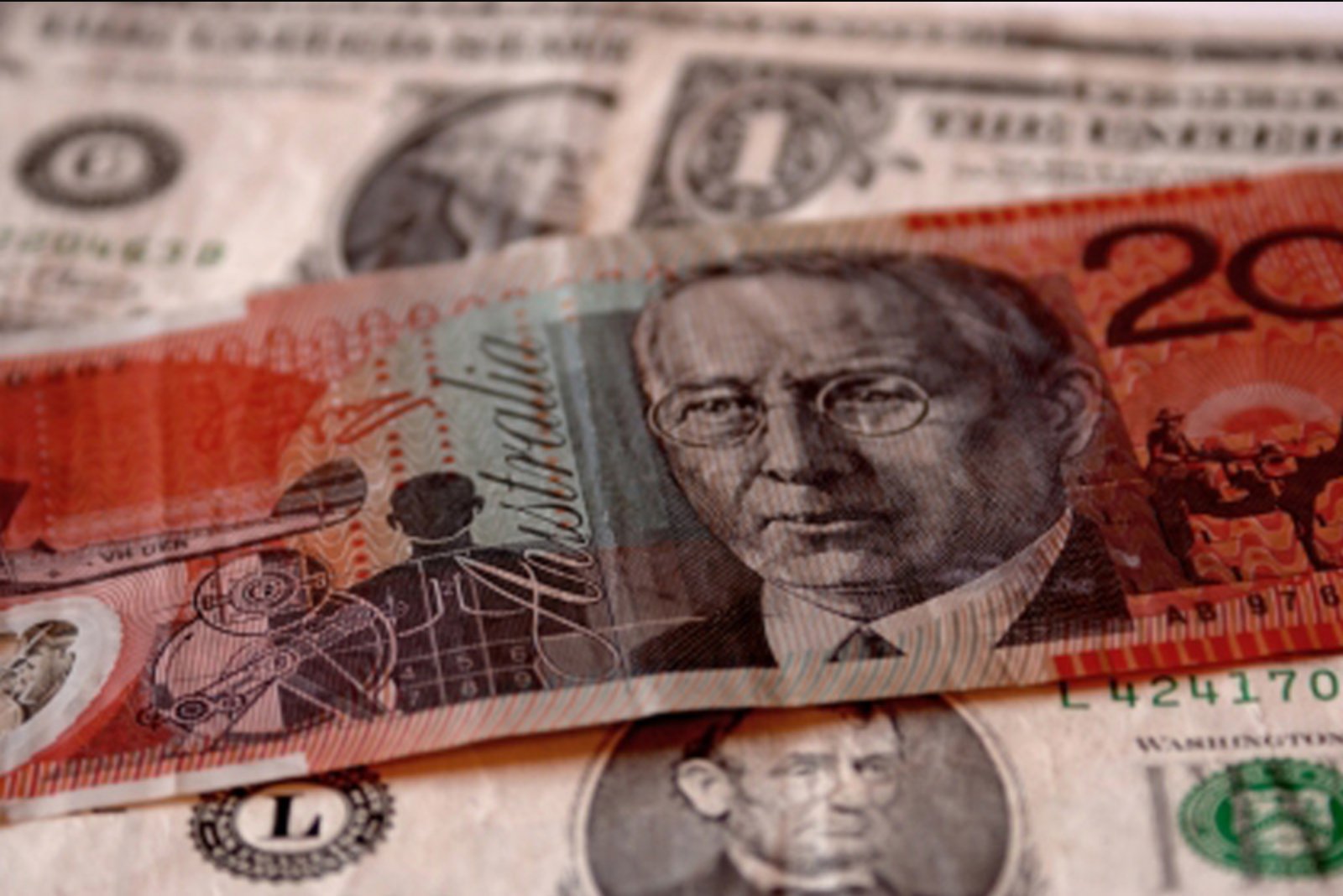
The Australian dollar traded lower, with AUD/USD down about 0.25% following consumer price index releases for March and the first quarter that came in marginally below market expectations. Despite the softer-than-forecast reading, the month-on-month move showed a sharp pick-up in inflation, a development the data attributed principally to higher fuel prices linked to the Iran conflict.
Core inflation also printed a touch below expectations but remained steady and above the Reserve Bank of Australia's 2% to 3% annual target range. While the CPI surprise was modestly softer than markets had feared, the readings still signaled scope for additional tightening by the RBA. The central bank has already raised rates by a cumulative 50 basis points in 2026 and has warned that more increases may be required in response to fuel-driven inflationary pressure.
ANZ analysts said that despite the slightly softer CPI, they still expect a further 25 basis point hike at the RBA's May meeting.
Asia FX muted as Iran uncertainty and Hormuz disruptions persist
Regional currencies generally drifted lower as sentiment remained fragile amid a lack of progress toward a resolution of the U.S.-Iran conflict. Reports that U.S. leadership had told aides to prepare for a prolonged blockade in the Strait of Hormuz contributed to expectations of ongoing supply disruptions and persistent market unease.
Trading volumes across Asia were subdued in part because of a market holiday in Japan. The yen weakened slightly, with USD/JPY edging higher and staying close to the 160 level even after the Bank of Japan held policy rates and delivered unexpectedly firm language on Tuesday.
Elsewhere in the region, the Chinese yuan was largely unchanged, while the South Korean won weakened as USD/KRW rose roughly 0.3%. The Indian rupee saw USD/INR climb about 0.3%, bringing the pair closer to the 95-rupee mark amid vigilance about potential Reserve Bank intervention.
The Singapore dollar was steady against the greenback, while the Taiwan dollar saw USD/TWD increase about 0.1%.
Market positioning and near-term drivers
With the Fed meeting expected to conclude without a rate change, traders are focused on the central bank's forward guidance on inflation and interest-rate prospects. At the same time, inflation readings influenced by higher fuel costs related to the Iran war remain an important input for several developed and regional central banks.
Thin liquidity from the Japanese holiday and ongoing geopolitical uncertainty in the Gulf created an environment in which currency moves were reactive rather than momentum-driven.
Summary of key FX moves noted in trading
- AUD/USD fell about 0.25% after CPI prints for March and Q1 were slightly below expectations though showing a sharp monthly rise.
- USD/JPY rose marginally and remained close to 160 yen following the BOJ decision to hold rates with a firmer tone.
- USD/INR and USD/KRW each rose about 0.3%, while USD/CNY was largely unchanged and USD/TWD gained about 0.1%.
This market snapshot reflects trading conditions and data releases referenced during Asian session hours and does not add or infer outcomes beyond the reported figures and developments.