
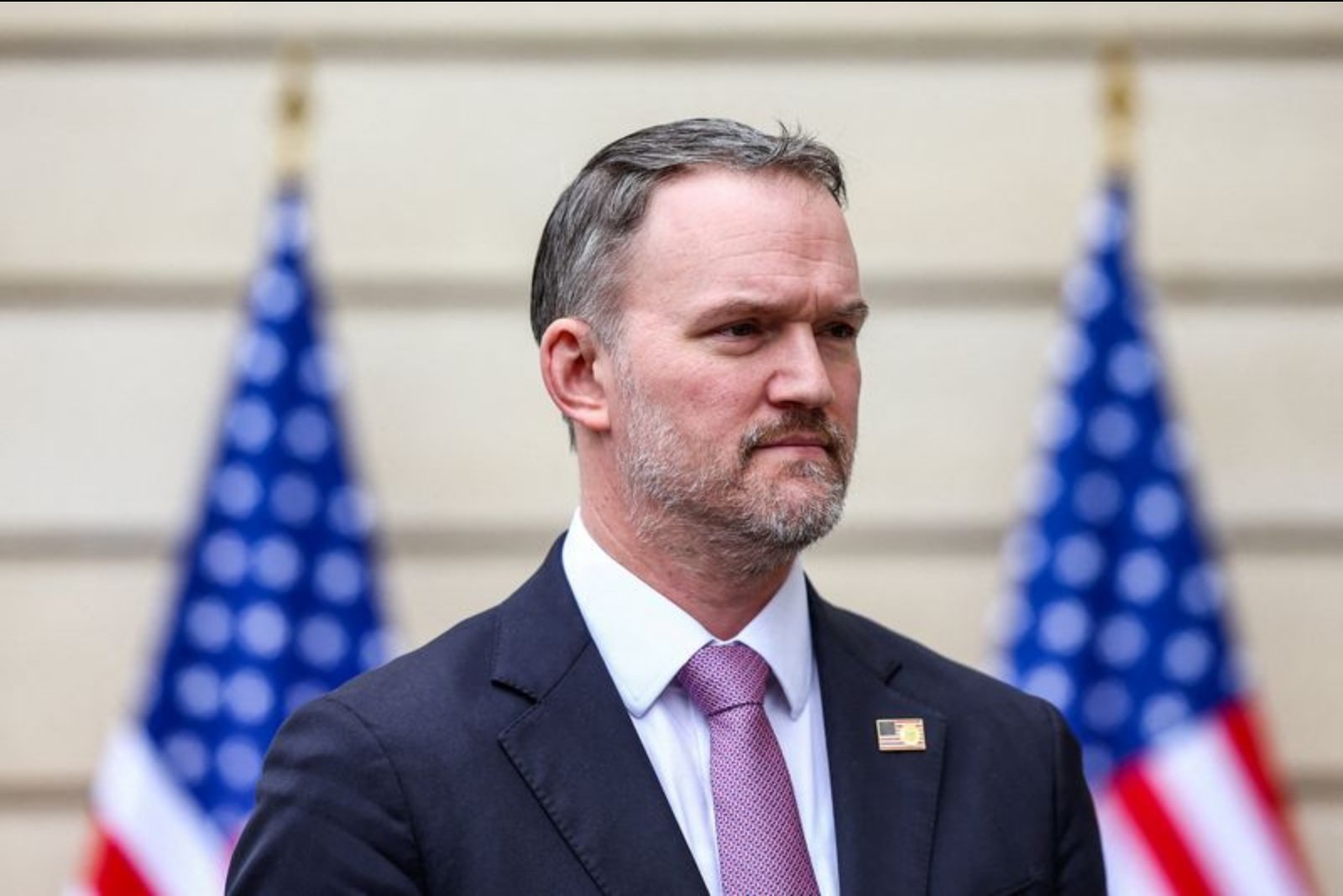
April 22 - U.S. Trade Representative Jamieson Greer has told American allies they must be prepared to pay more for critical minerals obtained from sources outside China, saying higher costs are necessary to ensure secure supply lines. Greer framed the higher cost as a collective security expense tied to sourcing from a proposed group of trading partners that would include Europe.
In an interview, Greer used the phrase "national security premium" to describe the additional price countries should accept for non-Chinese supplies. "There is a premium we pay, and I call it the national security premium, and we will all pay a national security premium to have a secure supply chain," he said.
Greer is preparing a draft with specific details he plans to share with partner nations, according to his remarks. He pointed to what he described as an excessive emphasis by some trading partners on minimizing direct business costs as a key reason Western countries have become reliant on China for certain critical minerals.
"When trading partners express concerns about the economic cost of price floors or mechanisms, I just say: what you’re talking about, which is cost efficiency, this is why we are in the situation we’re in," Greer said, characterising the debate over cost versus security.
He has previously argued there needs to be some form of price mechanism for rare earth minerals. The United States has been seeking greater access to critical mineral reserves and supply chains, with a particular focus on rare earths where Chinese companies currently dominate much of the market.
Summary
U.S. trade officials are pressing allies to accept higher prices to secure critical minerals from non-Chinese sources, describing the increase as a "national security premium." Greer is drafting concrete proposals to present to partners and reiterated support for price mechanisms on rare earths as part of efforts to diversify supply.
Key points
- U.S. Trade Representative Jamieson Greer called for allies to pay a "national security premium" to obtain critical minerals from a proposed bloc of trading partners, including Europe.
- Greer is preparing detailed proposals to share with partners and criticised a narrow focus on cost efficiency as a factor in Western dependence on Chinese mineral supplies.
- The United States is pursuing access to critical mineral reserves, especially rare earth supply chains that are currently dominated by Chinese players.
Risks and uncertainties
- Acceptance of higher prices by allied governments is uncertain and could face political and economic resistance - impacting mining and industrial policy decision-making.
- Debate over price mechanisms or price floors for rare earths may create friction among trading partners who prioritise cost efficiency, affecting negotiations over supply-chain arrangements.
- Ongoing concentration of rare earth supply chains in China presents a persistent strategic vulnerability until diversification measures are implemented.
These points reflect the positions and comments made by Greer as presented in his interview and the broader U.S. focus on securing non-Chinese sources of critical minerals.