
European equity indices opened the session with limited gains on Wednesday after U.S. President Donald Trump said a ceasefire with Iran had been extended indefinitely. The announcement, delivered after U.S. markets closed on Tuesday, did little to move prices decisively as market participants weighed persistent logistical constraints in the Strait of Hormuz and broader energy-market stress.
By 03:08 ET (07:08 GMT), the pan-European Stoxx 600 had risen roughly 0.3%. Germany's Dax was up about 0.4%, France's CAC40 had added 0.2%, and the U.K.'s FTSE 100 was largely unchanged.
In a social media post following the close of U.S. trading, President Trump said the ceasefire deal had been extended just hours before it was due to expire. He said the extension was made at the request of Pakistan, described as a frequent intermediary between Washington and Tehran, and that the truce would remain in effect "until such time as" Iranian officials present a "unified proposal" for peace.
The announcement, however, was unilateral. The positions of Iran and of U.S. ally Israel were not clarified by the statement, and Tehran's public posture remained ambiguous.
Planned U.S. diplomatic engagement was also disrupted. A proposed trip to Pakistan by U.S. Vice President JD Vance, intended to open another round of negotiations with Iran, was put on hold after Iranian state media reported that Tehran's delegation had called the negotiations a "waste of time because the U.S. prevents reaching any suitable agreement."
Analysts noted the market's mixed reaction. "While there is still a bit of skepticism and cynicism in the market about Iran, most are of the view that Operation Epic Fury is past its peak, with an agreement of some sort more likely than not," analysts at Vital Knowledge said in a client note, referencing the U.S. name for its campaign against Iran.
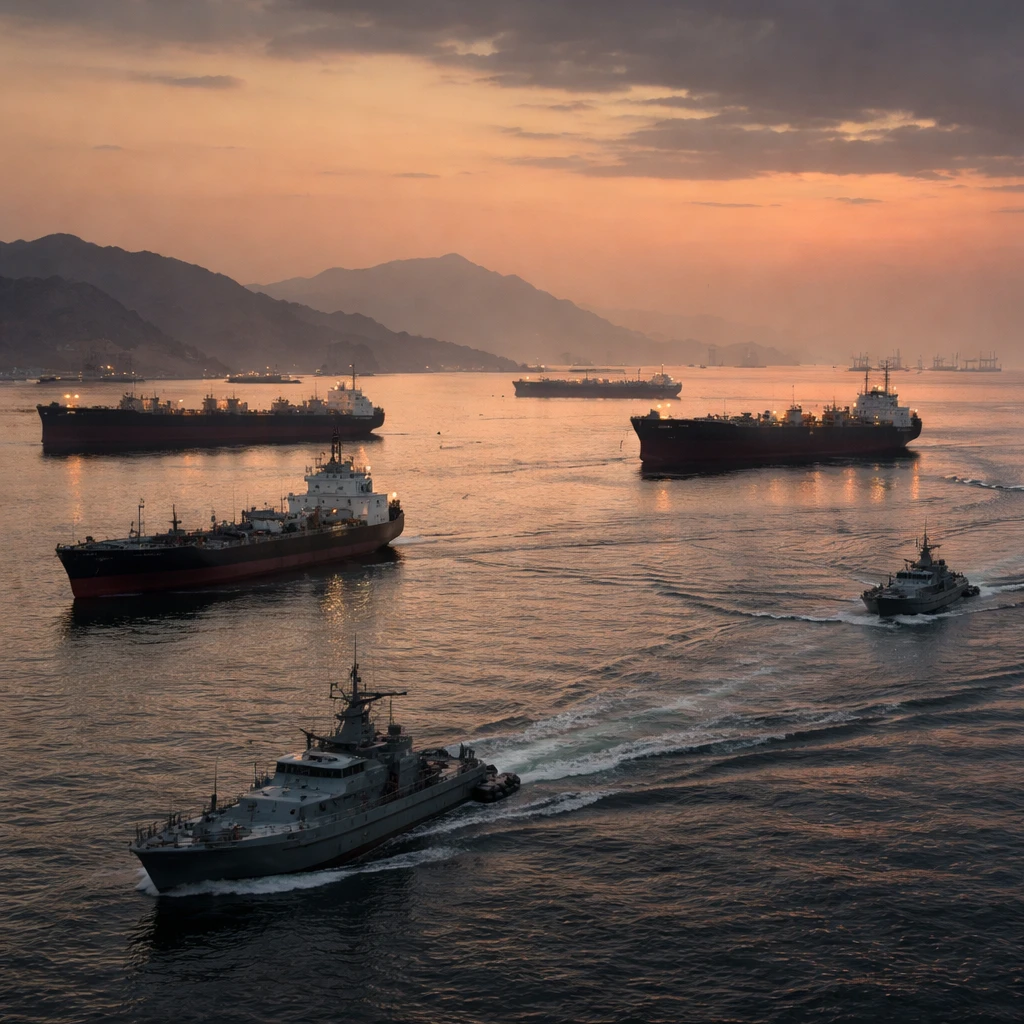
Energy-market constraints continue to temper optimism. A U.S. blockade of Iranian ports and coastline remains active, and tanker traffic through the Strait of Hormuz - the narrow chokepoint off Iran's southern coast through which about a fifth of the world's oil transits - is effectively halted. That disruption has amplified concern about energy-driven inflation and the potential for higher interest rates as central banks react to rising prices.
Those concerns were underscored on Wednesday by U.K. inflation data showing headline consumer prices accelerated to 3.3% in March, driven in part by the sharpest rise in fuel costs in three years.
“[W]ith very little shipping traffic passing through the Strait of Hormuz, our view is that the likes of diesel, other refined products and other commodities, will continue to reman elevated which leaves us cautious on the growth outlook,” said Patrick O’Donnell, Chief Investment Strategist at Omnis Investments.
Brent crude, the international oil benchmark, was trading marginally lower at about $98.03 a barrel after easing back from an initial surge that followed the outbreak of hostilities in late February. Even so, Brent remains notably above levels seen prior to the start of the conflict.
Beyond crude, Europe is dealing with damage to regional natural gas production infrastructure, with strikes affecting facilities in the Middle East, particularly in Qatar. Benchmark natural gas prices likewise sit above pre-conflict levels, adding another layer of cost pressure for energy-dependent sectors and consumers.
Market takeaway
- European markets opened slightly higher on the news of an extended Iran ceasefire, but gains were modest amid persistent energy-supply and shipping disruptions.
- Energy markets remain a focal point for investors, with crude and natural gas prices elevated versus pre-conflict levels and shipping through the Strait of Hormuz largely curtailed.
- Inflation readings, such as the U.K.'s March consumer-price increase to 3.3%, highlight the channel through which energy disruptions could influence central-bank policy and economic growth expectations.
Summary
European stocks opened the session slightly higher after President Trump announced an indefinite extension of a ceasefire with Iran. The extension was unilateral and left Iran's position unclear. Tanker traffic through the Strait of Hormuz remains essentially closed, a U.S. blockade of Iranian ports remains active, and damage to regional gas facilities has kept energy prices - including Brent crude and benchmark natural gas - above levels before the start of the joint U.S.-Israeli campaign. U.K. inflation rose to 3.3% in March, driven by fuel-cost increases, which feeds concern that energy-related price pressures could prompt central banks to raise interest rates.