
Commodities April 21, 2026 09:29 PM

White House Weighs Extension of Jones Act Waiver to Ease Domestic Fuel Flows

Administration considers prolonging permission for foreign-flagged vessels to move fuel and goods between U.S. ports amid energy market concerns linked to the Iran war

By Maya Rios
White House Weighs Extension of Jones Act Waiver to Ease Domestic Fuel Flows

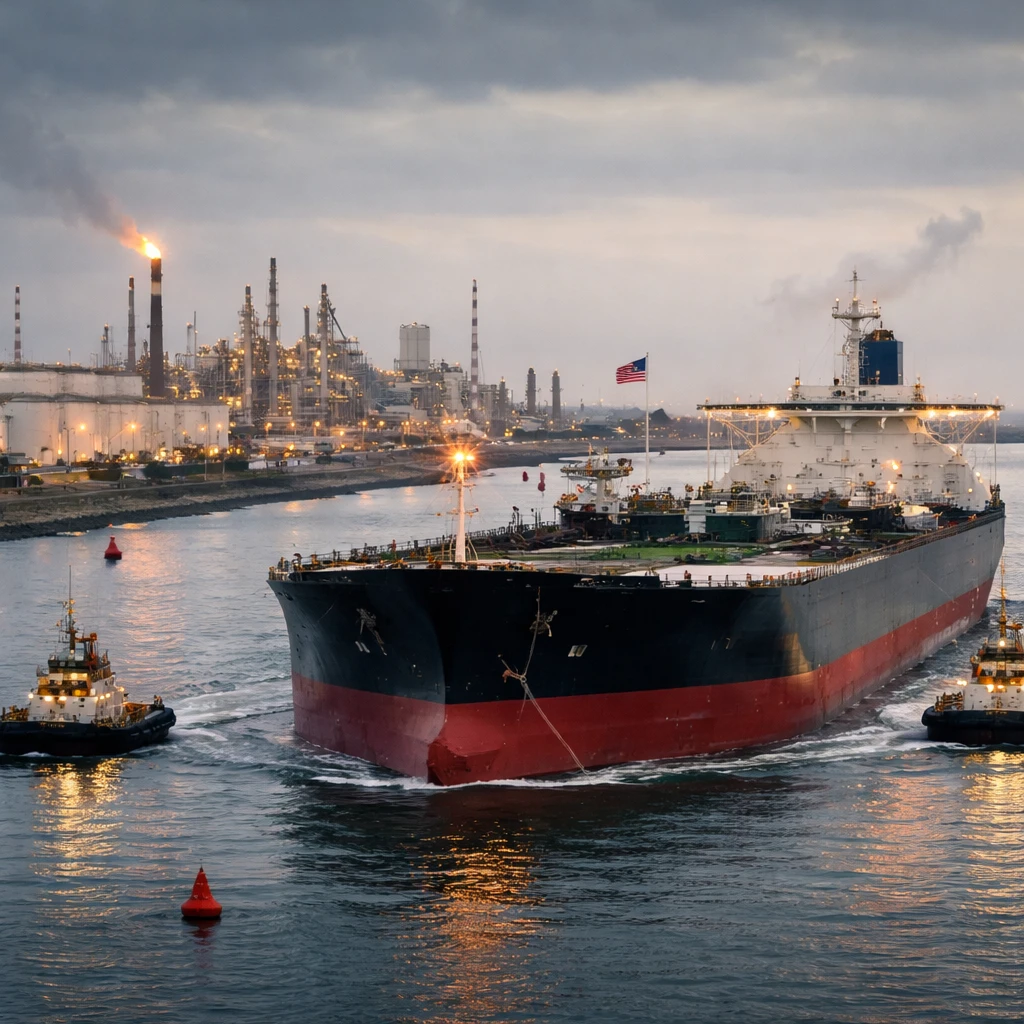
The White House is weighing an extension of a temporary waiver that permits foreign-flagged cargo ships to transport fuel and other goods between U.S. ports. The initial 60-day waiver, issued in March, was intended to increase domestic oil shipments and help offset higher gasoline prices associated with the Iran war. U.S. officials say discussions are underway to prolong the measure as officials monitor ongoing energy market disruptions, a naval blockade in the Strait of Hormuz, and recent diplomatic moves related to Iran.

Key Points

  • The administration is considering extending a temporary waiver that permits foreign-flagged vessels to move fuel and goods between U.S. ports - impacting domestic oil logistics and maritime services.
  • A 60-day waiver issued in March relaxed the Jones Act to help increase domestic oil shipments and counter higher gasoline prices linked to the Iran war.
  • Sectors likely affected include oil producers, domestic fuel distribution networks, shipping/maritime operators, and retail gasoline markets.

Overview

U.S. officials say the administration is considering an extension of a temporary waiver that allows foreign-flagged cargo vessels to move fuel and other goods between domestic ports. The waiver relaxed enforcement of the Jones Act - the 1920 law that normally restricts domestic cargo movements to U.S.-flagged ships - and was first issued for 60 days in March.

Purpose of the original waiver

The March waiver was intended to boost the ability to move crude and refined products between major U.S. producing regions and other domestic markets. Officials described the move as a response to higher gasoline prices that emerged alongside the Iran war, with the waiver designed to help keep U.S. markets supplied by permitting foreign-flagged vessels to carry oil across domestic routes.

Current considerations

According to U.S. officials, the administration is now evaluating whether to extend that temporary allowance. Proponents of an extension argue the waiver enables greater flexibility in transporting oil within the United States by allowing additional shipping capacity from foreign-flagged vessels, which can alleviate regional supply stress.

Context and market signals

The deliberations occur amid continued concern over possible prolonged disruptions to energy markets stemming from the Iran war. Those concerns persisted even after the president on Tuesday indefinitely extended a ceasefire with Iran. While that diplomatic step may reduce some near-term escalation risk, officials note that a blockade in the Strait of Hormuz remains in place. Observed market responses earlier this year included a roughly 40% increase in U.S. gasoline prices in March following the onset of the Iran war, with some moderation of those gains in April amid hopes for a more lasting peace agreement.


What this means for markets

Extending the waiver would maintain the temporary expansion of shipping options for domestic fuel flows, which could help regional supply balances. Key affected sectors include crude oil production regions, domestic petroleum distribution networks, maritime shipping services, and retail gasoline markets.

Risks

  • Ongoing energy market disruptions tied to the Iran war could continue to pressure fuel prices and regional supply - affecting oil and gasoline markets.
  • A blockade in the Strait of Hormuz remains in place, representing an active maritime risk that could sustain instability in global and domestic energy flows - impacting shipping and crude markets.
  • Uncertainty around the trajectory of peace talks after an indefinite ceasefire extension leaves future market conditions unclear - posing risk to producers, refiners, and fuel retailers.

More from Commodities

Gold Recovers From One-Week Low After U.S. Extends Ceasefire With Iran Apr 21, 2026 Oil slips in choppy Asian trade after Trump prolongs Iran ceasefire Apr 21, 2026 BHP Q3 Iron Ore Rises 3% as Cyclone Disruptions Hit Shipments; Annual Guidance Unchanged Apr 21, 2026 U.S. crude edges higher as ceasefire extension leaves talks, shipping uncertain Apr 21, 2026 Halliburton Enters Commercial Talks to Resume Venezuela Work After Facility Visits Apr 21, 2026