
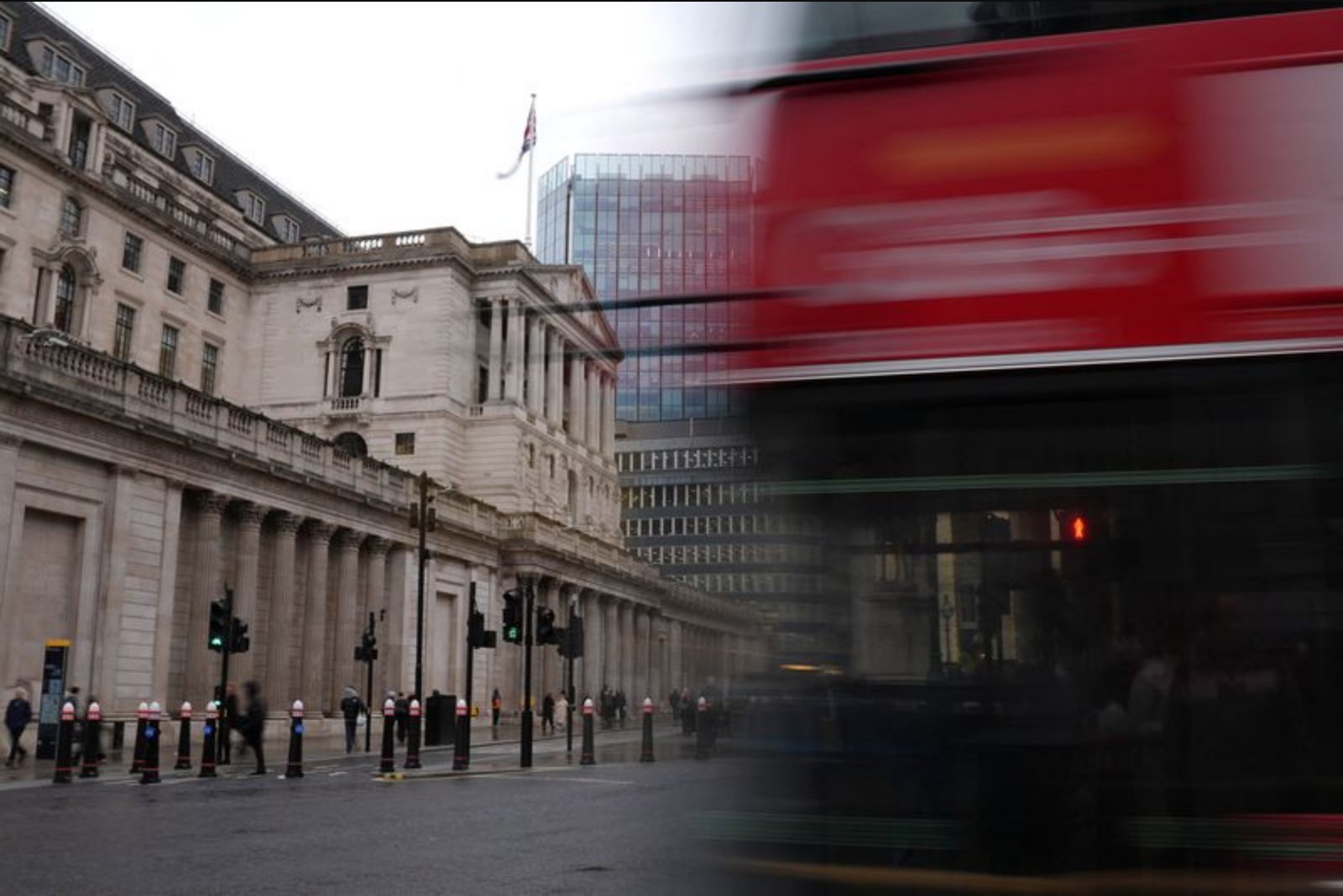
British consumer price inflation increased to 3.3% in March from 3.0% in February, official figures published on Wednesday showed. Authorities described the March rise as the first visible effect on consumer prices from the war in the Middle East.
Economists polled had largely expected inflation to accelerate to 3.3%, a move attributed in part to a rise in petrol and other fuel costs during March. Those energy-related moves were singled out as a proximate contributor to the higher headline rate.
Prior to the U.S.-Israeli war on Iran beginning on February 28, the Bank of England had said inflation - which has been the highest among Group of Seven economies for much of the last four years - was likely to be close to its 2% target in April. Since then, the BoE revised its outlook sharply higher in the previous month, citing an energy price shock and projecting inflation would move toward 3.5% by the middle of 2026.
The International Monetary Fund last week forecast that British inflation would peak at 4% in the coming months. These updated projections have added a new layer of uncertainty for policymakers.
Members of the Bank of England's interest rate committee have largely cautioned that it is too soon to judge how the rise in headline inflation will affect underlying price pressures across the economy. They point to a weak jobs market - a condition that could limit workers' ability to negotiate higher wages and constrain firms' ability to fully pass higher costs on to consumers.
The central bank is expected to leave borrowing costs unchanged at the conclusion of its next scheduled Monetary Policy Committee meeting on April 30. Financial markets on Tuesday were pricing in the possibility of one or two quarter-point rate increases by the BoE over the remainder of the year, though a poll of economists indicated most do not expect a change in borrowing costs during 2026.
Implications for sectors and markets
- Energy and transport sectors are directly affected by higher petrol and fuel costs that lifted headline inflation.
- Labour-sensitive sectors face uncertainty because a weak jobs market could dampen pay growth and reduce cost pass-through to consumers.
- Financial markets are balancing revised inflation forecasts against expectations for Bank of England policy, which could influence borrowing costs and asset prices.