
The recent bout of conflict between Israel and Hezbollah has revived painful recollections of Lebanon’s civil war for many who lived through the fighting that raged between 1975 and 1990. For former combatants and journalists who documented those years, the events unfolding in 2026 - including an Israeli invasion of southern Lebanon, bombing runs over Beirut, widespread displacement and a spike in sectarian hostility - feel alarmingly similar to the scenes they remember from five decades ago.
Those memories have been sharpened by specific parallels. The March 2 outbreak of hostilities between Israel and the Iran-backed Hezbollah has not only led to intense cross-border exchanges but has also deepened the divide between Hezbollah and its domestic opponents. That polarization is straining Lebanon’s already fragile state and social fabric and, according to those who observed the earlier war, risks dragging the country back toward internal confrontation.
Veterans of the civil war say the scale and character of the recent violence echo past cycles of fragmentation. Ziad Saab, now 68, recalled reading in 1981 a handwritten frontline letter describing Israeli bombardment of southern villages that have once again come under fire. "This letter could be written today," he said. Saab, who fought with Lebanon’s Communist Party and now leads Fighters for Peace, said the unresolved internal divisions that fueled the civil war have never been fully healed. He warned fellow Lebanese against repeating the mistakes of the past: "Don’t repeat our experience. Because you’ll be surprised where it will take you," adding, "We ripped the country apart."
Many who saw the April 8 strikes - when rapid Israeli attacks across Lebanon reportedly killed more than 300 people - said the intensity of the bombardment instantly revived wartime images. For Saab, the scale of those strikes "basically brought back the scenes of the whole civil war in seconds."
The pattern of past conflicts in Lebanon is reflected in the current divisions. Hezbollah - created in 1982 during the civil war and the only major armed group to keep its weapons after the war ended - expanded its military capabilities following Israel’s withdrawal from southern Lebanon in 2000 and gradually increased its political influence. Domestic clashes involving Hezbollah's role have flared in subsequent years, including in 2008 and 2021.
After a 2024 confrontation with Israel that significantly weakened Hezbollah, a new Lebanese government supported by the U.S. publicly pledged to disarm the group. Lebanese security forces have begun to confiscate Hezbollah arms incrementally, reportedly to avoid a direct armed showdown if they attempted a forcible seizure of the group’s arsenal.
When Hezbollah fired into Israel on March 2 in a show of support for Iran, some Lebanese accused the group of dragging the country into the renewed conflict. That criticism has at times extended to the broader Shi’ite community from which Hezbollah receives much of its backing. At the same time, many Shi’ite Muslims - who have historically suffered the brunt of Israel-Lebanon hostilities and regard Hezbollah as a protector - have expressed anger at state authorities for failing to defend them adequately. Several Shi’ites displaced by Israeli strikes told field reporters they considered Lebanon’s top officials to be "traitors."
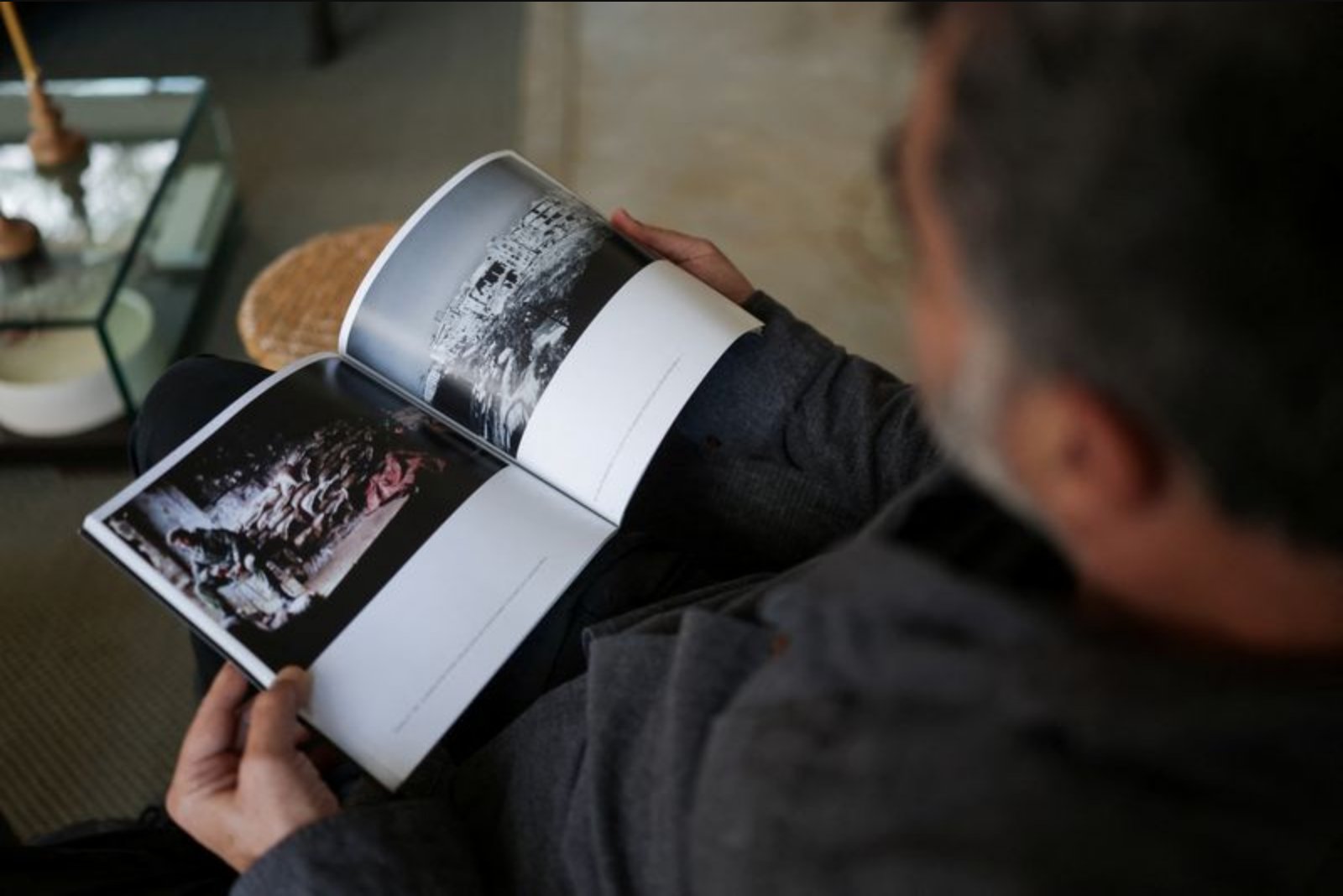
Wider social fissures are visible in public scenes. Photographer Patrick Baz, who worked as a documentary photographer during the civil war and has chronicled the recent fighting, pointed to footage of armed Christian men firing into the air at the funeral of a Christian politician killed in an Israeli strike. He warned that tensions among young people today appear volatile. "I’m sure if you go to universities today and you tell them to carry guns and go and fire at your political opponents or someone you don’t like, they will do it," he said, describing campuses as microcosms of broader political divisions.
Those fissures are compounded by the human toll of the recent campaign. The latest conflict has displaced some 1.2 million people, surpassing the approximate one million who fled their homes during the civil war. Over more than five weeks of Israeli strikes, nearly 2,300 people have reportedly been killed, and the destruction across Beirut and southern Lebanon has revived painful wartime memories for many.
Last week’s temporary ceasefire brought a pause to the most intense bombing, but its terms left several critical issues unresolved. The agreement aims to create space for peace negotiations between Lebanon and Israel, with a second round of talks due to be hosted by the U.S. on Thursday. Yet the ceasefire does not explicitly require Israeli forces to withdraw from Lebanese territory now occupied following recent operations, nor does it demand the disarmament of Hezbollah. Those omissions have left a number of Lebanese across sectarian lines fiercely opposed to the prospect of formal peace talks under current conditions.
One diplomat involved in Lebanon affairs described the ceasefire text as a "detailed recipe for internal confrontation," expressing concern that the document's gaps could inflame domestic tensions.
Rafic Bazerji, a former senior figure in a Lebanese Christian armed group during the civil war and now head of the Latin League, cautioned that agreements without solid foundations are prone to reigniting conflict. He referenced the Taif Agreement that formally ended the civil war but said its promises were never fully realised. Bazerji, who runs a guesthouse in the mountains southeast of Beirut and has trained his sons in weapons handling, said he sensed a new generation that may be more willing to take up arms than previous ones. "As much as we were, in our days, fanatics and we were excited to fight, I’m seeing today a new generation that is scary. We’re kids compared to them," he said.
Bazerji warned that the country’s divisions over Hezbollah, Israel and other core issues could tip into renewed violence. He said Lebanese feared a recurrence of the 1975-1990 war, when roughly 150,000 people were killed. "In the end, if we can avoid it, we avoid it. But if the razor reaches our throats, we’re also not going to take it lying down," he said.
As Lebanon prepares for diplomatic talks meant to stabilise the frontier, the unresolved military, political and social questions highlighted by veterans and witnesses present a complex challenge. The current ceasefire offers a window for negotiation, but for many Lebanese who remember the past, the absence of clear answers on troop withdrawals, disarmament and unity raises the spectre of renewed domestic conflict rather than lasting peace.
Context note: This report draws on interviews with former fighters, photographers and displaced civilians, and reflects their assessments of parallels between current events and Lebanon’s civil war history. It reports instances of displacement, fatalities, dates of recent escalations and descriptions of political positions as expressed by the individuals quoted.