
The World Meteorological Organization (WMO) said on Thursday that the El Niño event unfolding in the Pacific Ocean is expected to strengthen further into 2027 and carries the potential to become the most intense since systematic monitoring began. WMO forecasts indicate a nearly 100% probability that El Niño will persist through February 2027, supported by unusually warm sea surface temperatures in the eastern Pacific.
At a Geneva briefing, WMO Secretary-General Celeste Saulo described the current trajectory for the phenomenon as extraordinary. "If this trajectory continues, it may be stronger than anything since our monitoring began. So literally off the charts," she said, underscoring the agency's concern about the event's scale.
El Niño is characterised by a warming of surface waters in the eastern Pacific tied to a weakening of the trade winds. The cycle typically emerges every two to seven years and generally lasts up to 12 months. Its presence can markedly alter rainfall and temperature patterns across large regions, and in very strong manifestations is linked with elevated risks of extreme weather events such as droughts and typhoons.
The WMO noted that while El Niño is a naturally occurring climate pattern and not a direct product of fossil fuel-driven climate change, the baseline warming of the planet's oceans can amplify its effects. U.N. Secretary-General Antonio Guterres captured that interaction in stark terms: "El Niño is being supersized before our eyes. The science leaves no room for doubt: The planet is in uncharted waters, and those waters are heating up."
Data cited by the WMO show that Pacific Ocean temperatures associated with this El Niño are already more than 2 degrees Celsius above normal for samples of this event. The agency said this year’s episode is among only four since 1950 to be categorised in the top "very strong" bracket, highlighting how unusual the current conditions are.
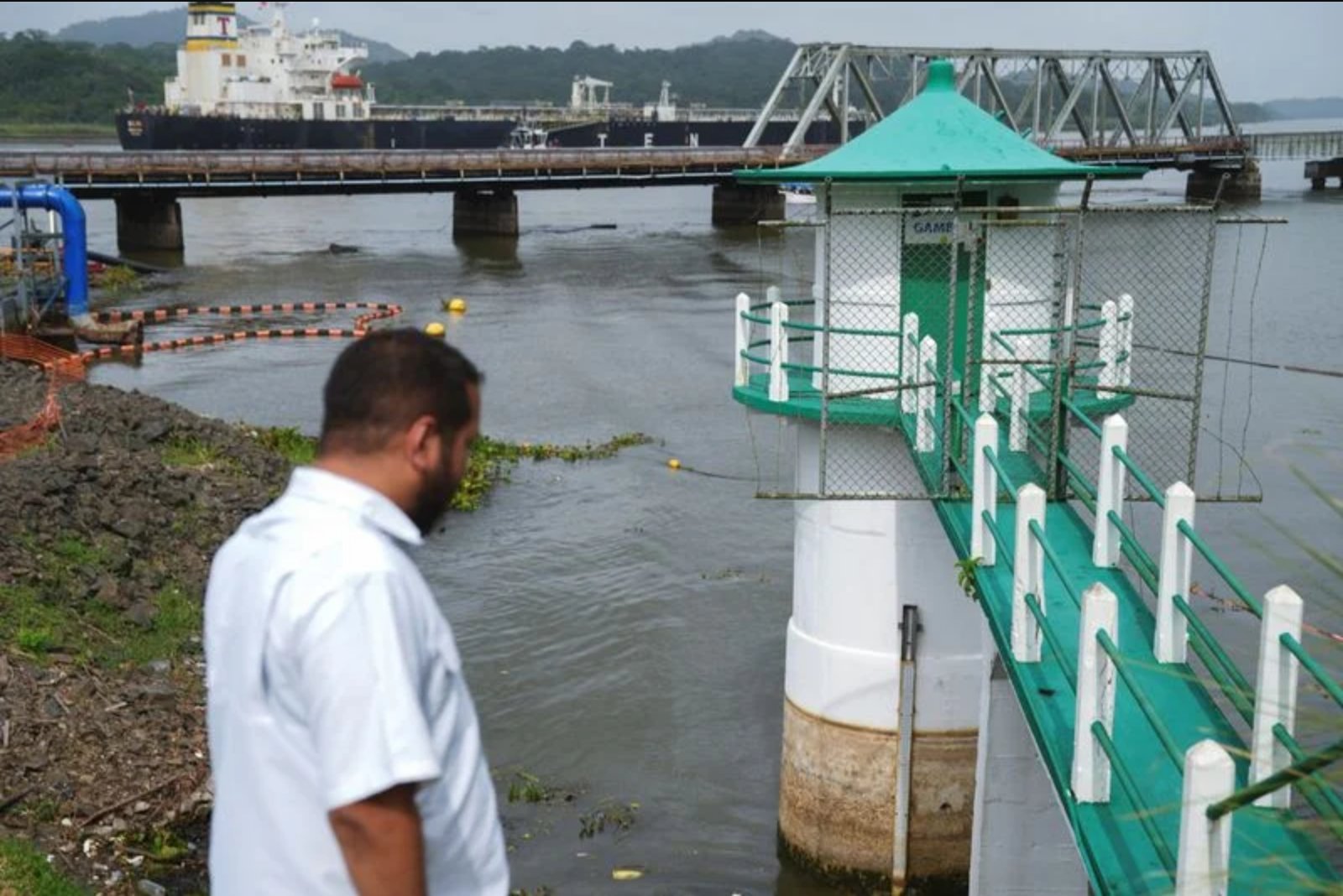
Those ocean temperatures and the broader event have already left tangible marks on commodity-producing regions. The WMO pointed to impacts on soft commodities in tropical areas and identified a severe food crisis across Central America’s Dry Corridor as an existing consequence of the El Niño pattern.
WMO climate prediction officials said the event is expected to peak toward the end of this year, but its influence will persist into 2027. Wilfran Moufouma Okia, the WMO’s chief of climate prediction services, noted the typical effect that follows El Niño episodes: a temporary boost in global temperatures. Referring to 2024 as the hottest year on record to date, he said, "2027 has the potential to be the warmest on record."
In response to the heightened risks, the WMO said it is intensifying preparedness and early warning measures to enable governments and communities to take early action. One example the agency offered is supporting decisions such as switching to drought-resistant crops where appropriate. Saulo emphasised coordination across systems: "WMO is committed to working closely with partners across the United Nations and humanitarian system to provide the climate intelligence and insights needed to support disaster management and climate-sensitive sectors like agriculture, health, energy and water resources."
Officials framed these steps as efforts to translate climate intelligence into operational guidance for sectors exposed to El Niño-driven variability. The WMO’s near-certain forecast for persistence through February 2027, combined with anomalously warm Pacific conditions and the event’s categorisation among the strongest on record, underpins its call for stepped-up action and preparedness.
Summary
The World Meteorological Organization warns that the current El Niño is likely to continue through February 2027 and could become the strongest event on record, driven by exceptionally warm Pacific sea surface temperatures. The WMO highlighted existing impacts on soft commodities and food security in Central America, predicted a peak toward the end of this year with carry-over effects into 2027, and said it is boosting early warning and preparedness efforts for climate-sensitive sectors.
Key points
- WMO forecasts show a near 100% probability that El Niño will last through February 2027, based on exceptionally warm Pacific Ocean temperatures.
- The current El Niño is among the strongest in the historical record and has already affected soft commodity production and food security in Central America’s Dry Corridor.
- Preparedness and early warning measures are being scaled up to support sectors like agriculture, health, energy and water resources.
Risks and uncertainties
- Potential for intensified extreme weather - A very strong El Niño can shift rainfall and temperature patterns, increasing the likelihood of droughts and typhoons that affect agriculture and food supply.
- Elevated global temperatures into 2027 - The event is expected to cause a temporary pulse in global temperatures, raising the risk of heat-related stresses across climate-sensitive sectors such as health and energy.
- Ongoing food security pressures - The existing severe food crisis in Central America’s Dry Corridor highlights regional vulnerability in soft commodity production and the uncertainty of further impacts.