
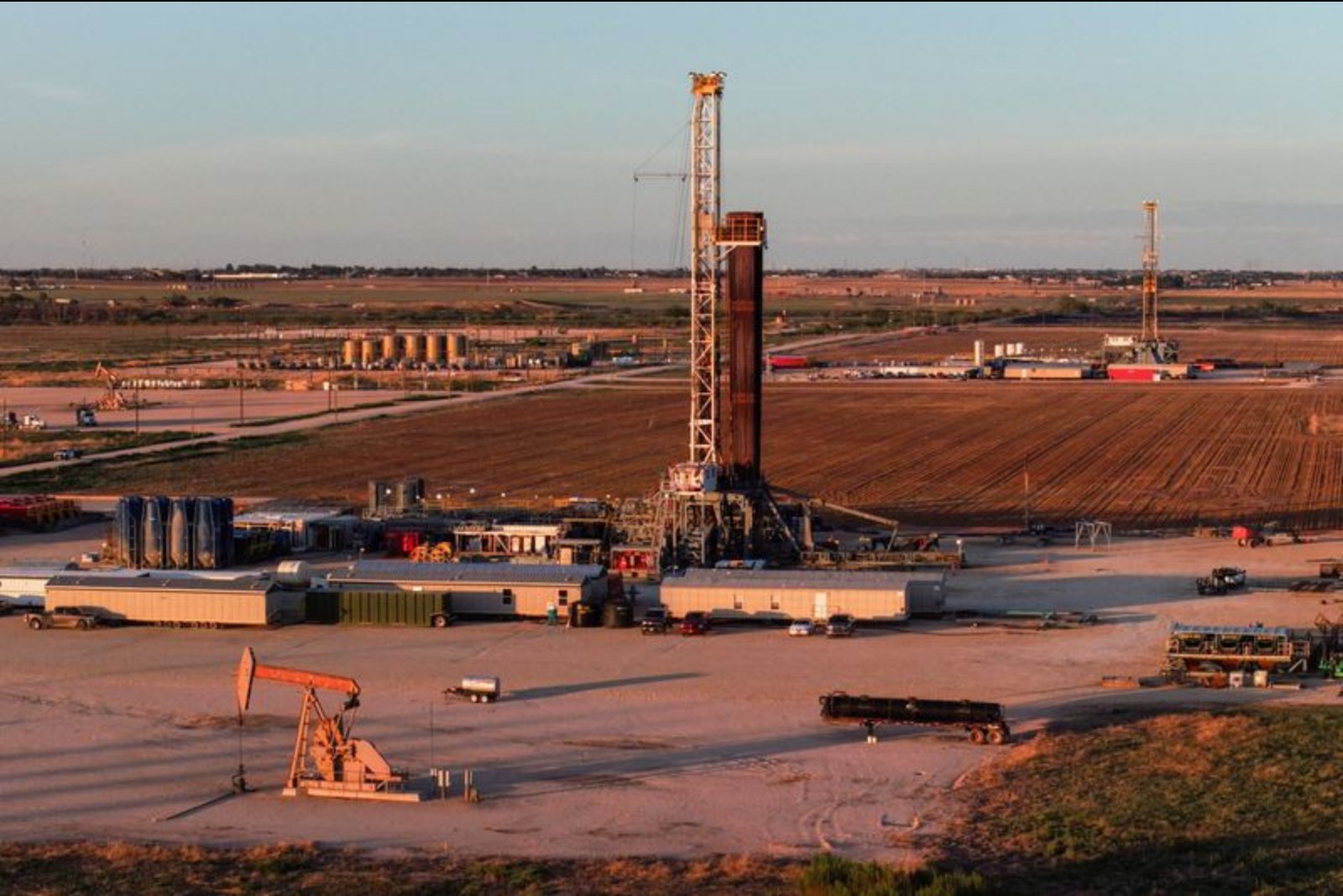
Two of the world's largest oilfield services companies signaled on Friday that spending on upstream activity is poised to rise as tighter crude supplies stemming from the Middle East conflict underscore the need for renewed investment. Executives at SLB and Baker Hughes highlighted a wave of potential exploration and production projects, with particular emphasis on opportunities in North America.
The conflict involving the U.S., Israel and Iran has effectively halted about 20% of the oil that normally transits the now-closed Strait of Hormuz and led to 9 million barrels per day of production being shut in. Those outages have sent Asian and European buyers searching for alternative sources and pushed energy security and supply diversification to the forefront of industry planning.
"There is a growing need for increased upstream investment to expand global production capacity and ensure we can meet rising demand," Lorenzo Simonelli, CEO of Baker Hughes, said during a post-earnings conference call. He added he sees a potential acceleration of investment decisions for liquefied natural gas projects in North America.
SLB's chief executive Olivier Le Peuch said many nations are likely to prioritize supply diversification and to restart or accelerate exploration spending once the conflict eases. "Many countries will likely prioritize supply diversification and invest in exploration once the conflict subsides," he said, and he expects a pickup in projects in North America and Latin America, including in deepwater offshore markets. SLB also said it expects oil prices to trade at higher levels after the war than before it.
Oilfield services firms supply the equipment, technical services and workforce that exploration and production companies rely on to find and develop oil and gas. The current geopolitical disruption has already had a measurable effect on revenue in the region for the sector.
SLB reported that first-quarter revenue from the Middle East and Asia fell 10% to $2.69 billion, a decline the company attributed to interruptions such as Qatar's force majeure declaration on gas exports, production constraints, security concerns in Iraq, and impacts on offshore operations across the region. SLB warned the conflict could reduce its second-quarter earnings by 6 to 8 cents per share sequentially, although the company said revenue from other international markets would offset part of the hit.
Baker Hughes recorded a 19% drop in revenue for the region in the quarter, to $1.15 billion. The Middle East remains the largest market for both SLB and Baker Hughes and accounted for more than a third of each company's quarterly revenue.
Market reaction to the earnings and commentary was positive for the sector's stock performance. Baker Hughes' shares climbed to $68.61, reaching their highest level since 2007. SLB shares rose to $56.55, marking their highest close since 2023.
Earlier in the week, Halliburton reported a 12.7% decline in Middle East revenue, citing reduced activity in Saudi Arabia and diminished drilling-related services in Qatar. The company also warned that the disruptions tied to the Iran war and the Strait of Hormuz closure could trim current-quarter earnings per share by 7 to 9 cents, and said rerouting supplies had pushed up logistics costs and raw material prices.
Analysts expect demand for repair and reconstruction of energy-related infrastructure to add to sector activity once hostilities abate. Rystad Energy has estimated repair costs could reach as much as $58 billion. James West, an analyst at Melius Research, said, "We anticipate seasonal recoveries around the world and a resurgence of activity in the Middle East as the conflict winds down. 2027 and 2028 are expected to be strong years of growth given the change in oil market fundamentals due to the Middle East conflict."
On profitability metrics for the quarter, SLB's net income declined 5.6% to $752 million. By contrast, adjusted net income attributable to Baker Hughes rose 12% to $573 million.
The near-term picture for the oilfield services industry will likely be shaped by how long disruptions persist, the pace at which buyers secure alternate supplies, and the timing of investment decisions by producers focused on expanding or restoring production capacity.