
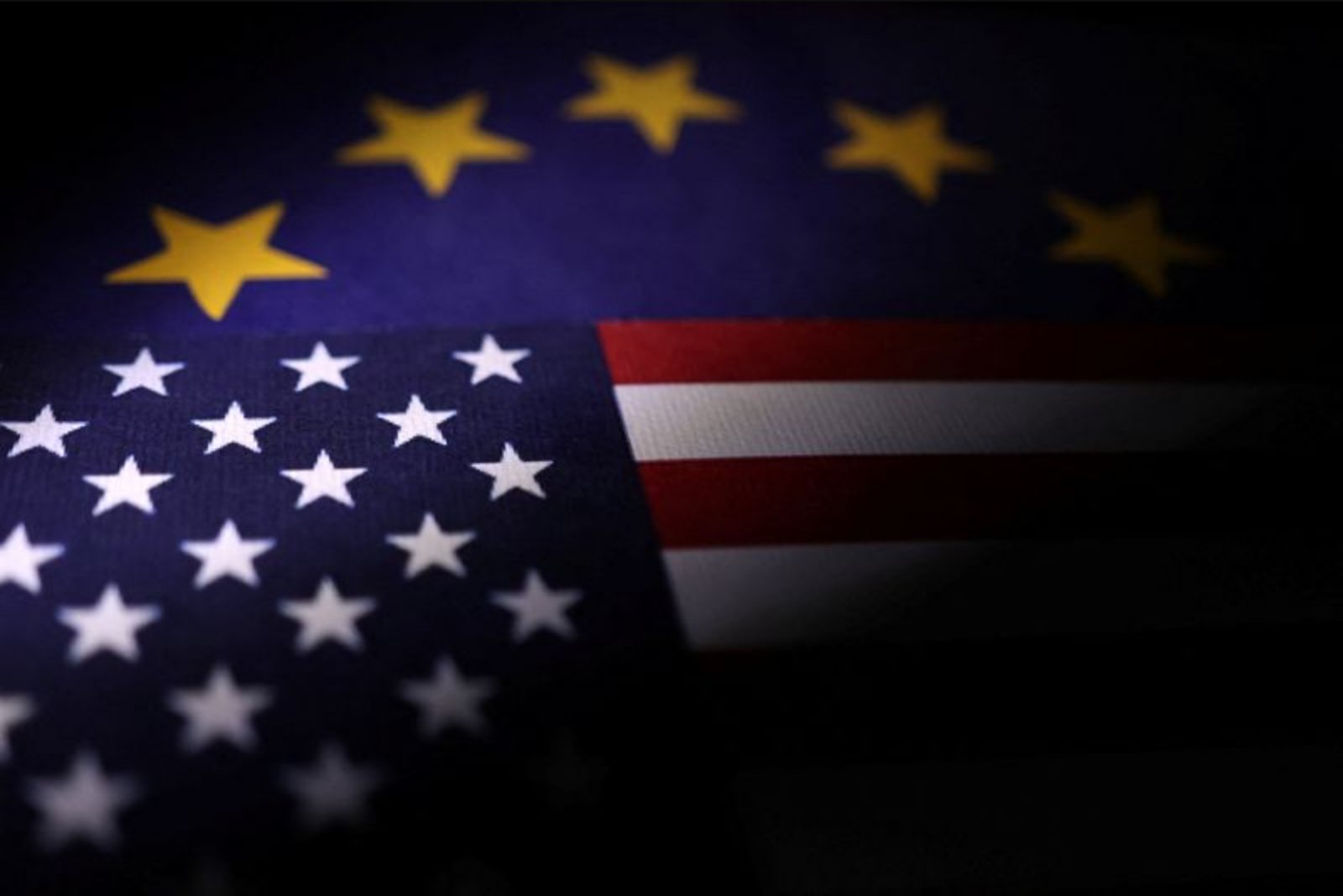
European Union countries have agreed to renew efforts to secure a global carbon price on shipping’s CO2 emissions at next week’s International Maritime Organization (IMO) talks, a step that sets up another potential confrontation with the United States over the measure.
Governments at the IMO had deferred the climate plan last year after strong opposition from the U.S. administration at the time, which warned it could impose sanctions and visa restrictions on delegates who backed the proposal. Despite that resistance, EU negotiators are pressing to keep the carbon pricing measure on the agenda for the upcoming meeting.
In language adopted by EU governments for the forthcoming negotiations, the bloc instructs its delegations to "oppose any attempts" to take the climate measures off the table. The document also states that EU countries will weigh amendments to the original carbon pricing framework if doing so helps to build a wider coalition of support.
However, several EU officials say they are pessimistic that a compromise acceptable to all parties can be achieved, citing continued and firm opposition from the United States. That stance, officials say, significantly complicates efforts to secure a binding agreement at the IMO.
Norway’s environment minister, Andreas Bjelland Eriksen, said the IMO still has an opportunity to reach a landmark agreement but that negotiators must explore "different approaches" to avoid repeating last year’s outcome. "Also... whether we can do some things already now and potentially postpone other parts of the regulation to a later stage, for example," he added while speaking to journalists.
At the October meeting where the vote to delay the carbon price occurred, 57 countries voted for postponement, including China and key flag states such as Liberia, while 49 countries voted in favour of concluding the measure. Support for the original framework was led by European nations, Brazil and some small island states particularly vulnerable to climate change.
In the run-up to next week’s session, a coalition representing the world’s three largest ship registries - Liberia, Panama and the Marshall Islands - together with oil tanker operators including Saudi Arabia’s Bahri, urged IMO members to examine alternatives to the initial carbon pricing proposal. In a statement they said that "support for the framework in its current form has continued to erode" since last year’s meeting.
The decision at the IMO last year also exposed fractures inside the European Union. Greece and Cyprus, both home to significant shipping industries, broke with the bloc and abstained in the vote instead of backing the EU-backed climate measure. According to EU officials, Greece, Malta and Italy did not endorse the updated EU negotiating position, which was nonetheless adopted by a reinforced majority of member states.
As delegations prepare to reconvene, the outcome remains uncertain. The EU’s approach combines a readiness to defend the inclusion of climate measures on the IMO agenda with a willingness to consider modifications to the carbon pricing proposal to attract broader international support. How far that flexibility will go, and whether it will be sufficient to overcome opposition from powerful registries and the United States, is an open question ahead of the talks.
Contextual note: The information in this article is drawn from the EU negotiating mandate and statements made by officials and stakeholders involved in IMO deliberations.