
Oil prices moved higher in early Asian trade on Tuesday as markets digested reports that Iran had put forward a fresh proposal to reopen the Strait of Hormuz - a development now under consideration in Washington. Traders took the news as an incremental positive, but significant uncertainties around talks and the status of physical flows kept markets cautious.
By 19:42 ET (23:42 GMT), West Texas Intermediate crude futures were trading up 0.3% at $96.62 a barrel, following a session in which WTI had risen more than 2%. Earlier optimism about a possible reopening of the strait underpinned buying interest, but many market participants remained alert to the limited information available and to the practical constraints on exports.
Reports earlier this week said Tehran presented a new plan to reopen Hormuz and bring an end to the conflict. U.S. officials were reported to be reviewing the proposal, but a subsequent report indicated that President Donald Trump and members of his team viewed the offer with skepticism because it reportedly suggested delaying discussions related to Iran's nuclear activities.
U.S. objectives in the confrontation are described as twofold: ending Iran's nuclear enrichment and preventing the development of a weapon. The apparent proposal to postpone nuclear talks was identified as a major point of contention for the White House when evaluating Tehran's submission.
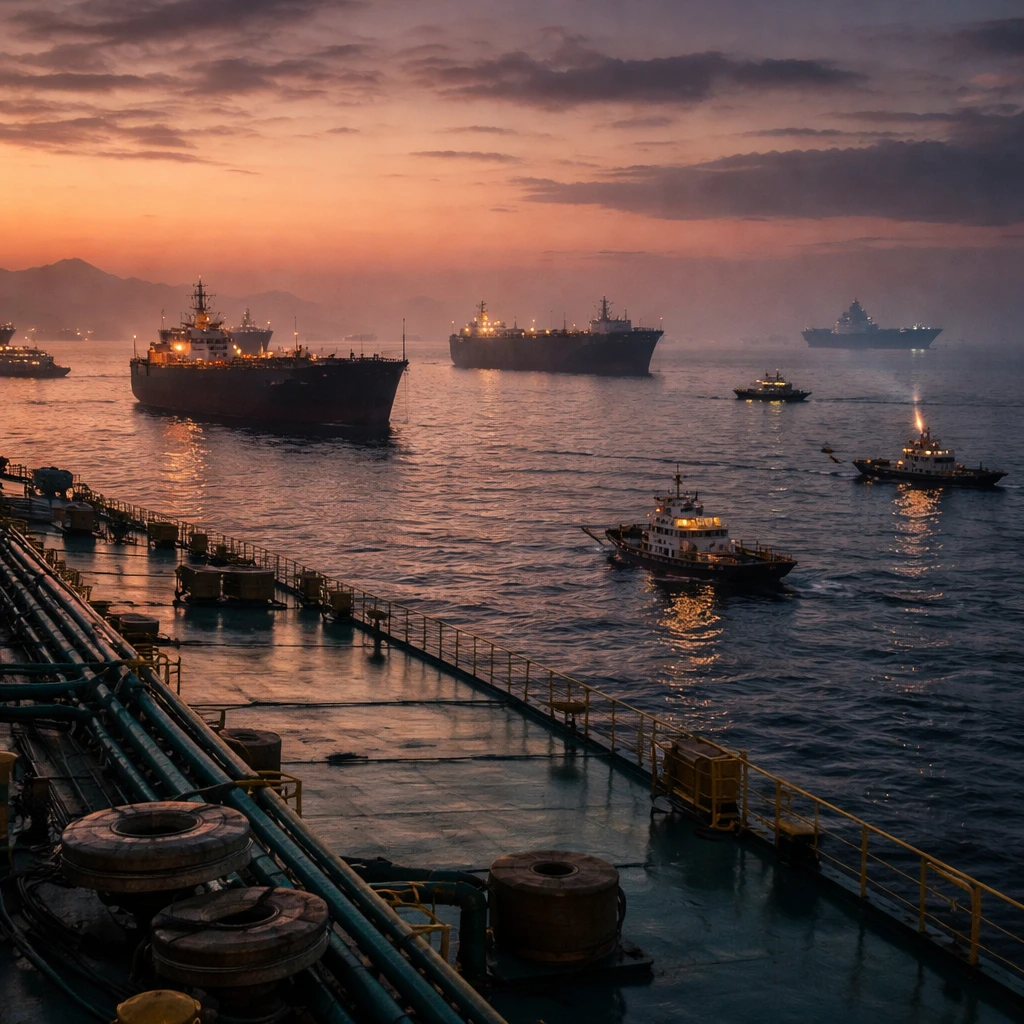
Despite the diplomatic maneuvering, the Strait of Hormuz remained largely closed, and the United States maintained a naval blockade of Iran. As a consequence, oil flows through the strategic waterway stayed thin, sustaining concerns about tighter supply and helping to keep crude prices elevated.
Over the weekend, plans for additional Pakistan-brokered meetings between the U.S. and Iran largely failed to materialize, leaving the schedule and prospects for future dialogue uncertain. That uncertainty contributed to a sharp uptick in oil on Monday, with Brent moving back toward the $110 a barrel level.
Market attention this week is not limited to Middle East developments. Key central bank meetings in Japan and the United States are also on the calendar, and the prospect of higher oil prices is likely to prompt renewed focus on energy-driven inflation and the implications for monetary policy in the months ahead.
Clear summary: Oil rose after reports that Iran offered to reopen the Strait of Hormuz and Washington was considering the proposal, but skepticism from U.S. leadership over postponing nuclear talks, a continued blockade and stalled Pakistan-brokered discussions left supply concerns intact.
Key points:
- WTI traded at $96.62 a barrel, up 0.3% in early Asian trade, after a prior-session rally exceeding 2%.
- Tehran reportedly proposed a plan to reopen Hormuz; Washington reviewed the offer but displayed reservations due to the proposal's suggested delay of nuclear talks.
- Physical oil flows through the Strait of Hormuz remained minimal amid a largely closed strait and a U.S. naval blockade, supporting prices and pushing Brent back toward $110 a barrel.
Risks and uncertainties:
- Negotiations are uncertain - Pakistan-brokered talks over the weekend largely failed to proceed and the future schedule remains unclear, impacting energy and shipping sectors.
- U.S. skepticism about postponing nuclear discussions creates diplomatic uncertainty that could sustain supply risk and affect crude markets.
- The limited reopening of the Strait of Hormuz and the continued naval blockade leave actual oil flows scant, maintaining upside price pressure for producers, refiners and inflation-sensitive sectors.