
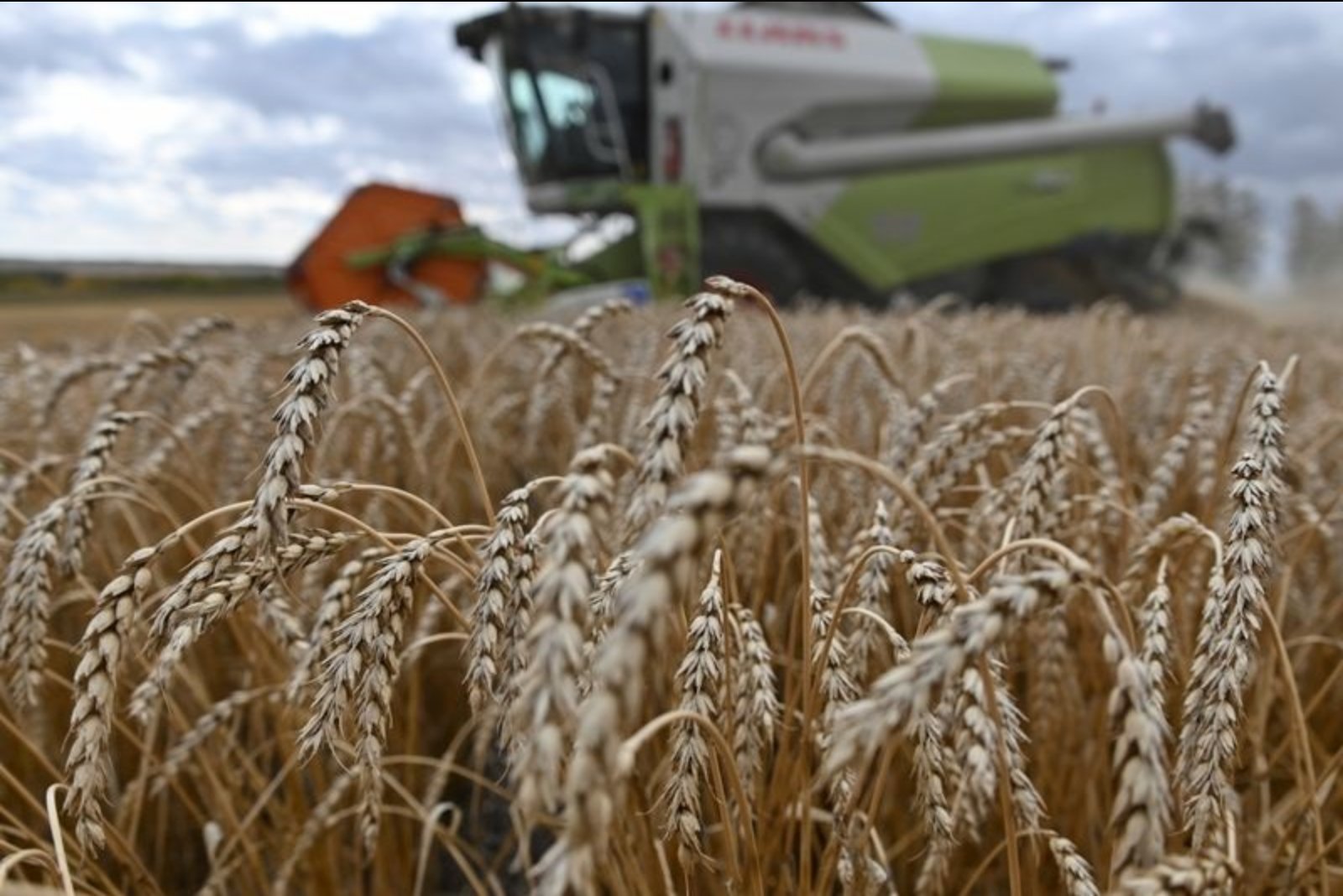
Wheat futures on the Chicago Board of Trade moved higher on Monday, driven by a mix of energy market strength, currency weakness and concerns about geopolitical tensions in the Middle East. Participants in the grain market cited a rising oil price environment, a softer U.S. dollar and a war premium linked to the escalating conflict as factors supporting futures.
Traders are closely monitoring precipitation forecasts for the U.S. Plains wheat belt. Rain in some parts of the region could help ease drought stress on wheat crops, but forecasters and analysts say that certain areas may have already suffered yield losses, and the expected rainfall is likely to miss other drought-affected locations.
According to an analyst note, rain is expected to reach the U.S. Plains within the next two weeks. Despite that outlook, the note projects that roughly one-third of the winter wheat crop will remain stressed over the near term.
Energy developments also played a supporting role for wheat. Oil prices rose by about 3% to reach a two-week high on Monday after peace talks between the U.S. and Iran stalled and shipments through the Strait of Hormuz remained limited. Market observers said the constrained flows were keeping global oil supplies tight, adding a risk premium to energy markets that in turn influenced agricultural commodity pricing.
At settlement, CBOT July wheat closed 13 cents higher at $6.29-3/4 per bushel. Kansas City July wheat finished up 8-1/4 cents at $6.67-1/4 per bushel. Minneapolis July spring wheat was unchanged at $6.76 per bushel.
These moves highlight the interplay between weather-driven crop conditions in the U.S. and broader macro and geopolitical forces in energy and foreign-exchange markets that can affect commodity valuations. Market participants will likely remain attentive to rain coverage in the Plains and to developments in Middle East diplomacy and shipping through key chokepoints.
Summary
Wheat futures rose on Monday as higher crude prices, a softer dollar and heightened Middle East tensions supported markets, while traders evaluated rain forecasts that could ease drought stress in parts of the U.S. Plains but leave other areas dry.