
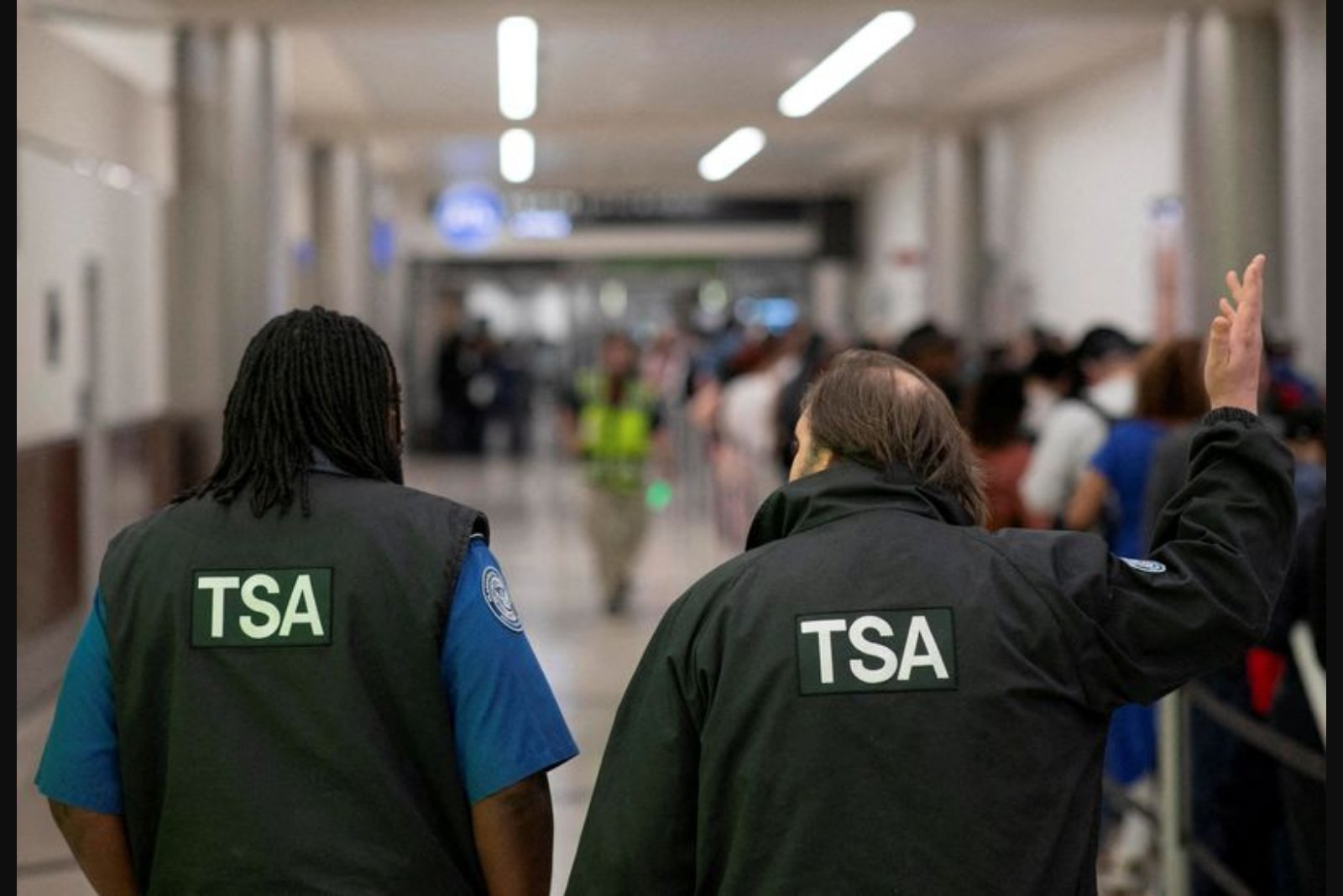
The Department of Homeland Security said on Monday that more than 1,000 Transportation Security Administration officers have left the agency since the DHS shutdown began in mid-February.
The agency provided a timeline of attrition: the number of departures was 460 in the last week of March and rose to more than 780 by last week, according to the DHS statement. The most recent total exceeds 1,000 officers who have left since the shutdown started, the DHS said.
The shutdown forced about 50,000 TSA employees to work without pay for six weeks. The prolonged unpaid period coincided with notable operational disruptions, including instances at some airports where security screening waits extended to four hours or more.
TSA staff manage screening operations at nearly all U.S. airports. The agency's loss of personnel and the earlier unpaid furlough period are part of the operational context cited by DHS when reporting the departures.
Lawmakers from the Democratic Party have been withholding DHS funding while pressing for revisions to rules governing Immigration and Customs Enforcement, the DHS component that oversees immigration enforcement operations. Those rule changes are a core demand in the negotiations over DHS appropriations.
Immigration and Customs Enforcement has been central to the administration's immigration enforcement agenda. Rights advocates and Democratic lawmakers have criticized the agency's actions, saying they amount to violations of free speech and due process rights. Those critics also contend the enforcement approach has created an unsafe environment for some groups, particularly minorities.
In response, the administration has framed the enforcement effort as necessary to strengthen domestic security and reduce illegal immigration. Earlier this month, the administration proposed substantial changes to TSA operations, including plans to privatize much of TSA's work and to reduce the agency's workforce by nearly 10,000 employees.
Context and operational note: The DHS figures and descriptions above were provided by the department. The details reflect DHS statements about staff departures, the effects of a six-week unpaid period for TSA personnel, and the political dispute tied to changes in ICE rules that has held up DHS funding.