
Chicago Board of Trade soybean contracts that are most active climbed to a one-month high on Monday, driven in part by gains in crude oil that pushed soyoil contracts to lifetime highs.
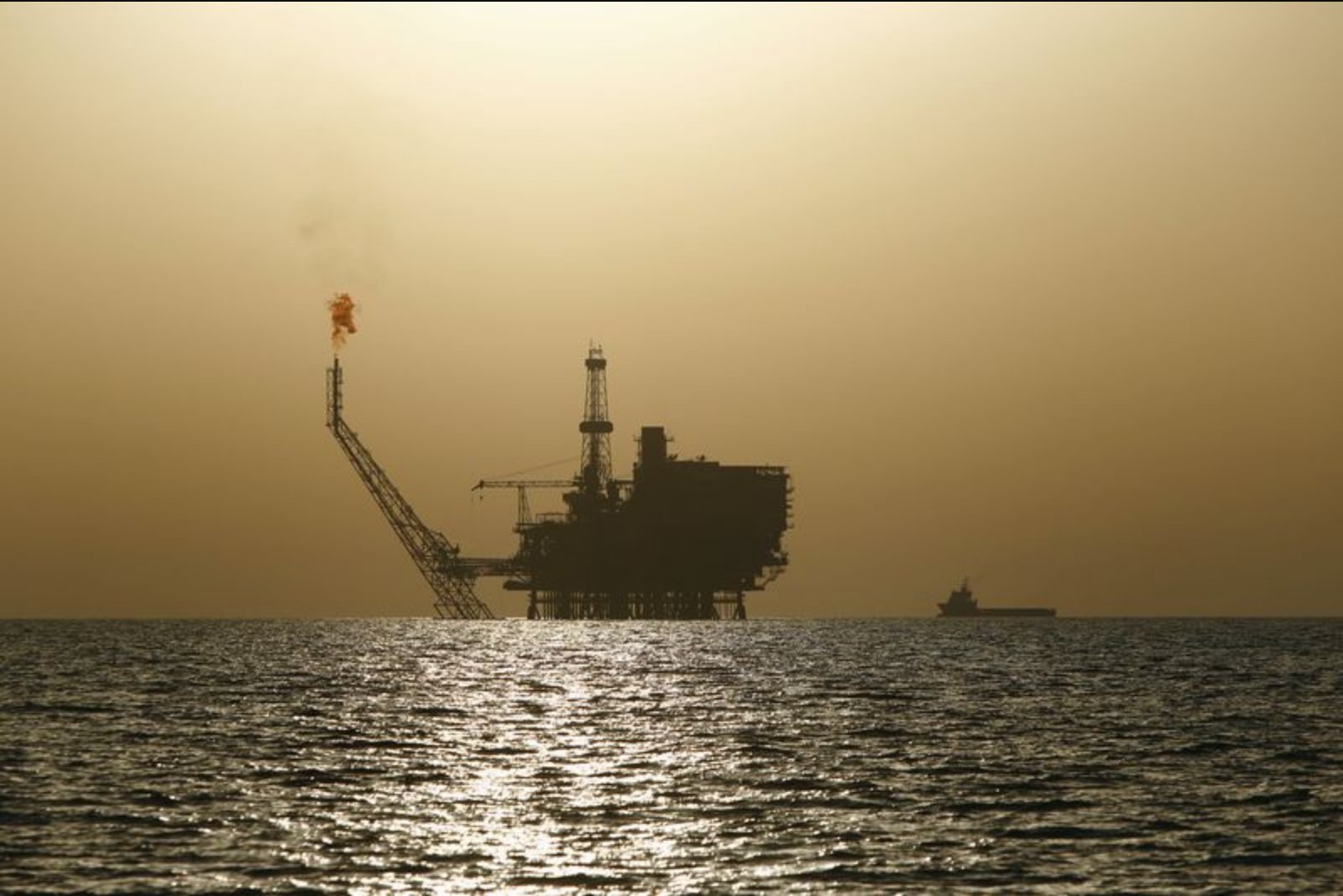
Oil markets gained roughly 3% to reach a two-week high on the day, supported by stalled peace talks between the U.S. and Iran and continued limitations on shipments through the Strait of Hormuz. Those constraints have kept global oil supplies tight, a dynamic traders said was lifting the broader soy complex.
Market participants are also awaiting a mid-May meeting between U.S. President Donald Trump and Chinese President Xi Jinping. Traders hope the leaders will reach agreement for China to step up purchases of U.S. soybeans and other agricultural products, which would directly affect demand prospects for the crop.
The fertilizer market is another influence on planting economics. According to market reporting, farmers worldwide are confronting a second surge in fertilizer prices in four years, attributed in the report to the U.S. and Israeli war on Iran. The Middle East is described as a major fertilizer production hub, and much of the global fertilizer trade typically transits the Strait of Hormuz - which the report says has seen traffic brought to a standstill by the conflict.
On the Chicago Board of Trade, May soybean futures settled 13-1/2 cents higher at $11.77-1/4 per bushel.
In related contracts, July soyoil finished 0.34 cent higher at 71.67 cents per pound, marking a lifetime high for the back-month contract. July soymeal increased $8.70 to close at $327.80 per short ton.
These price moves reflect interconnected pressures across energy, fertilizer and agricultural markets as traders weigh supply constraints, geopolitical tensions and the potential for policy-driven demand from major buyers.
Sectors affected:
- Agriculture - soybean producers and buyers face changing price signals for soybeans, soyoil and soymeal.
- Energy - crude oil supply tightness is supporting higher oil prices, which in turn influence vegetable oil markets.
- Fertilizer and inputs - disruptions in Middle East trade and higher fertilizer costs affect farm input economics.