
House Republican leaders plan to make changes to the Senate-approved bill that would fund most agencies within the Department of Homeland Security (DHS), Speaker Mike Johnson said on Monday, introducing the prospect of a short-term delay as lawmakers reconcile competing priorities.
The Senate had twice passed the measure unanimously. It covers all DHS agencies except Immigration and Customs Enforcement (ICE) and Border Patrol, and was part of a wider Republican approach to end the partial funding gap that has affected homeland security operations since mid-February. Negotiations to include reforms for ICE and Border Patrol stalled following the earlier fatal shootings of two U.S. citizens this year.
Johnson told reporters that the House will consider a modified version of the Senate bill. "We have a modified version that I think is going to be much better for both chambers. It doesn’t change most of the substance. But it makes sure that we’re not going to orphan the primary agencies of DHS," he said, without offering further specifics on the changes.
House conservatives had objected to the Senate text on the grounds that it left ICE and Border Patrol out of the immediate funding package. The Senate version was expected to be taken up by the House this week after members also prepared to address a separate $70 billion funding blueprint for the two immigration enforcement agencies that passed the Senate last week.
Lawmakers in the House are slated to vote on that budget resolution, which carries funding instructions for ICE and Border Patrol, on Wednesday. That resolution is intended to pave the way for separate legislation to provide funding to those two agencies through a process known as budget reconciliation, a parliamentary maneuver designed to limit Senate Democratic influence on the outcome.
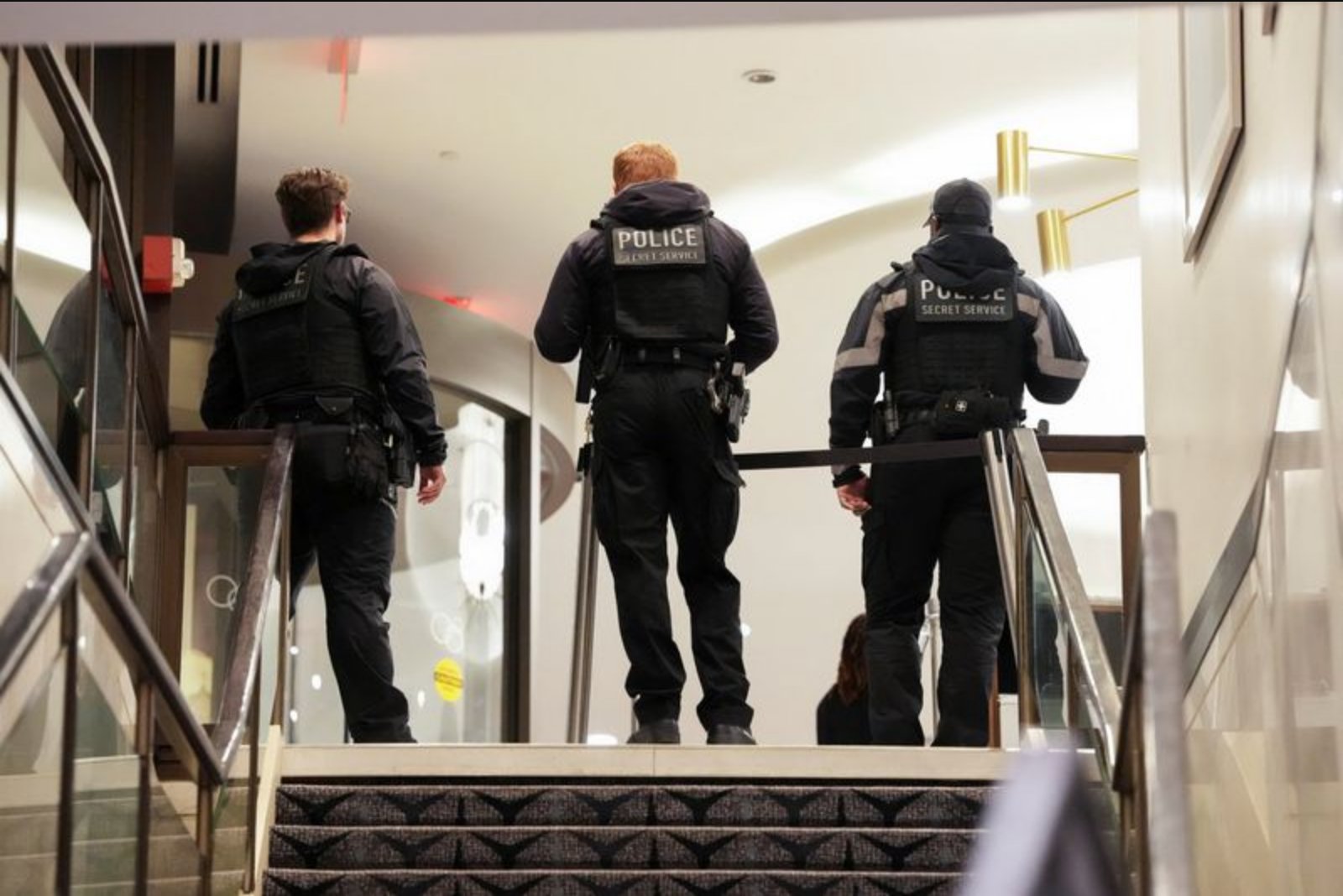
Pressure to secure funds for specific DHS components has increased in the wake of Saturday’s shooting at the White House Correspondents' Association Dinner by a man prosecutors say tried to assassinate President Donald Trump. Homeland Security Secretary Markwayne Mullin has warned that current funds supporting the department - which includes agencies such as the Secret Service and the Transportation Security Administration (TSA) - will run out in early May.
Johnson’s comments mean the House version will likely differ from the Senate-passed bill and, if amended, must return to the Senate for approval. That sets up the possibility that Democrats in the Senate could block the revised measure from securing the 60 votes typically required to advance most legislation.
Senate Majority Leader John Thune, Johnson’s counterpart in the upper chamber, said both the DHS funding bill and the budget blueprint for ICE and Border Patrol together should provide adequate resources for homeland security operations. "We did everything we can to ensure that everything is appropriately funded," Thune said. "Hopefully that will be enough to get the House in a comfortable position."
The separate reconciliation path for ICE and Border Patrol funding would extend through the remainder of the current presidential term, ending in January 2029, according to the legislative plan. Last year, Republicans enacted standalone legislation that provided roughly $130 billion for ICE and Border Patrol, separate from the normal annual appropriations process.
With the House signaling adjustments to the Senate text, the immediate focus for lawmakers and DHS officials is on ensuring continuity of operations for the agencies that would be covered by the pending measure, particularly the Secret Service and TSA, as department funding deadlines approach.