
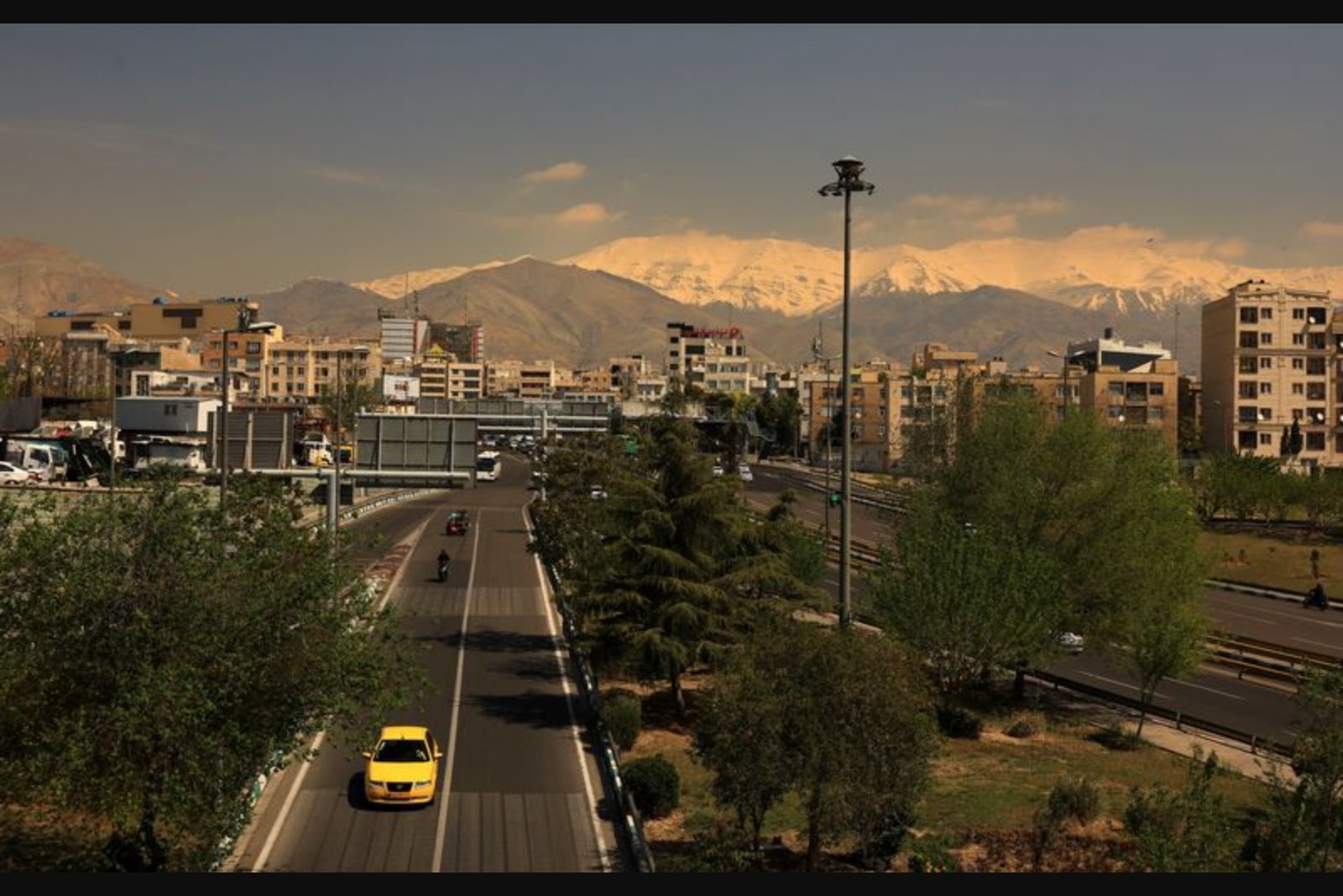
DUBAI, April 19 - Scenes of ordinary life returned to parts of Iran even as the country grapples with the aftermath of weeks of bombing and a harsh January crackdown on protesters. Shops, cafes and government offices have remained open, city parks teem with families and young people play sports in the sunshine. Yet beneath these calm routines, the economic and social toll of strikes, internet shutdowns and persistent political repression is stark.
Officials reports and accounts from the ground describe substantial damage from airstrikes, disruption to communications and a death toll in the thousands, including many killed at a school on the first day of the conflict. The destruction of infrastructure has heightened the risk of widespread layoffs, and many Iranians fear that the difficulties that triggered mass unrest in January are likely to deepen.
Diplomatic efforts to extend the fragile truce have so far failed to reach a conclusion. Talks held in Islamabad earlier this month - the first direct discussions between the United States and Iran in years - ended without an agreement. With the current ceasefire scheduled to expire on Wednesday, U.S. President Donald Trump said on Sunday that his envoys would travel to Pakistan and were prepared to hold additional talks.
Public calm and private unease
On pleasant spring mornings, parks and cafes offer a picture of normality. But many Iranians say that this outward calm masks deep anxiety about the future. The scale of destruction from bombing, the loss of life and the cuts to internet access have squeezed businesses and left ordinary people struggling to stay informed and connected with family abroad.
"The war will end, but that’s when our real problems with the system begin. I’m very afraid that if the regime reaches an agreement with the United States, it will increase pressure on ordinary people," said Fariba, 37, who participated in the January unrest, speaking by phone from Iran. "People have not forgotten the regime’s crimes in January, and the system has not forgotten that people do not want it. They are holding back now because they don’t want to fight on a domestic front as well," she added.
Analysts and residents describe a bleak economic picture. "The bombing has killed thousands, according to official death tolls, including many at a school on the first day of the conflict. It has also destroyed infrastructure across the country, raising the prospect of mass job layoffs," observers note. Iran’s revolutionary theocracy appears intact after withstanding sustained bombardment and asserting control over global oil supplies.
Views from Tehran
In north Tehran, Reuters filmed interviews with young people discussing the conflict and their fears. Media activity in Iran is regulated by the Culture and Islamic Guidance Ministry, which sets guidelines for foreign press.
Mehtab, who works for a private company and declined to give her family name, said that given Iran’s history of sanctions and isolation the current situation, while far from ideal, was something people could endure. "I do not want to say that it is normal, but as an Iranian with such a history, it is not very bad. We can live with it," she said.
Others contacted by phone spoke with greater anxiety and asked to remain anonymous out of fear of reprisals. "Yes, people are enjoying the ceasefire for now - but what comes next? What are we supposed to do with a regime that has become even more powerful?" said Sara, 27, a private teacher who declined to give her family name or location.
Independent U.S.-based think tank Dawn analyst Omid Memarian said many Iranians had come to realize that the war was unlikely to topple the ruling clerics but would deepen economic pain. "Iranians understood that this war is not going to topple the regime, but at the same time, it’s going to make their lives much worse economically," he said. "The military is not going to put down their guns. They are going to stay and it’s going to be bloody. It’s going to be costly, with no prospect for a better future," he added.
Polarization and limited options
Observers say the combination of sustained bombardment and a forceful domestic response to protests has left Iranian society more polarized, with few pathways for change. Independent UK-based analyst Hossein Rassam commented that January’s events made clear that authorities would not easily concede or collapse under military pressure. "This is a moment of reckoning for Iranians because, at the end of the day, Iranians, especially Iranians inside the country, realise that they need to live together. There is nowhere to go," he said.
The crushing of January protests by the authorities resulted in thousands of deaths, prompting public statements of support from foreign leaders. Iran’s permanent mission to the U.N. in Geneva did not immediately respond to requests for comment for this story. Tehran has earlier blamed the January violence on what it described as "armed terrorists" linked to Israel and the United States.
Early statements by U.S. and Israeli leaders had suggested hopes that the military campaign might topple Iran’s ruling clerics, but that objective faded as the bombardment continued, and popular anger over domestic repression shifted public sentiment. Memarian said many Iranians concluded the military action was not intended to help the Iranian people.
Social freedoms and future pressure
The protests of recent years, including movements focused on women's rights, had changed public behaviour in visible ways. In parts of north Tehran a number of women were not wearing the hijab, a head covering that had been mandatory for decades, reflecting both protest-era shifts and a partial relaxation of enforcement by the authorities following violent suppression.
But there is apprehension that such visible freedoms could be curtailed if a diplomatic settlement reduces external pressure on the regime. "On the streets, women are going around without the hijab, but it’s unclear whether these kind of freedoms will continue after a deal with the United States. Pressure will 100% increase, because once there is peace with Washington, the regime will no longer face the same external pressure," said Arjang, a 43-year-old father of two, in a phone interview from north Tehran.
The January protests brought no enduring improvements to daily life while they prompted authorities to sharply restrict internet access - a measure that has harmed businesses and left people cut off from information. "Even the smallest things, like connecting with our family members who live outside the country, are impossible," said Faezeh, 47, as she played volleyball with friends in a north Tehran park.
Memarian warned that popular frustration could rise once the immediate fear of being labelled a traitor declines after the war. "There is a lot of fire under the ashes," he said, suggesting latent political discontent remains despite the current calm.
Implications for the economy and markets
While daily routines continue in public spaces, the combination of infrastructure destruction, internet restrictions and the specter of further repression poses clear challenges for sectors such as retail, hospitality and telecommunications. The potential for mass layoffs, reduced consumer spending and interrupted business operations could deepen the economic distress many Iranians already face. Control asserted over global oil supplies by Iran during the conflict adds another element of market uncertainty, though the long-term market implications depend on the trajectory of diplomacy and domestic politics.
With diplomatic talks unresolved and the ceasefire fragile, the near-term outlook for daily life, economic recovery and civic freedoms in Iran remains uncertain.