
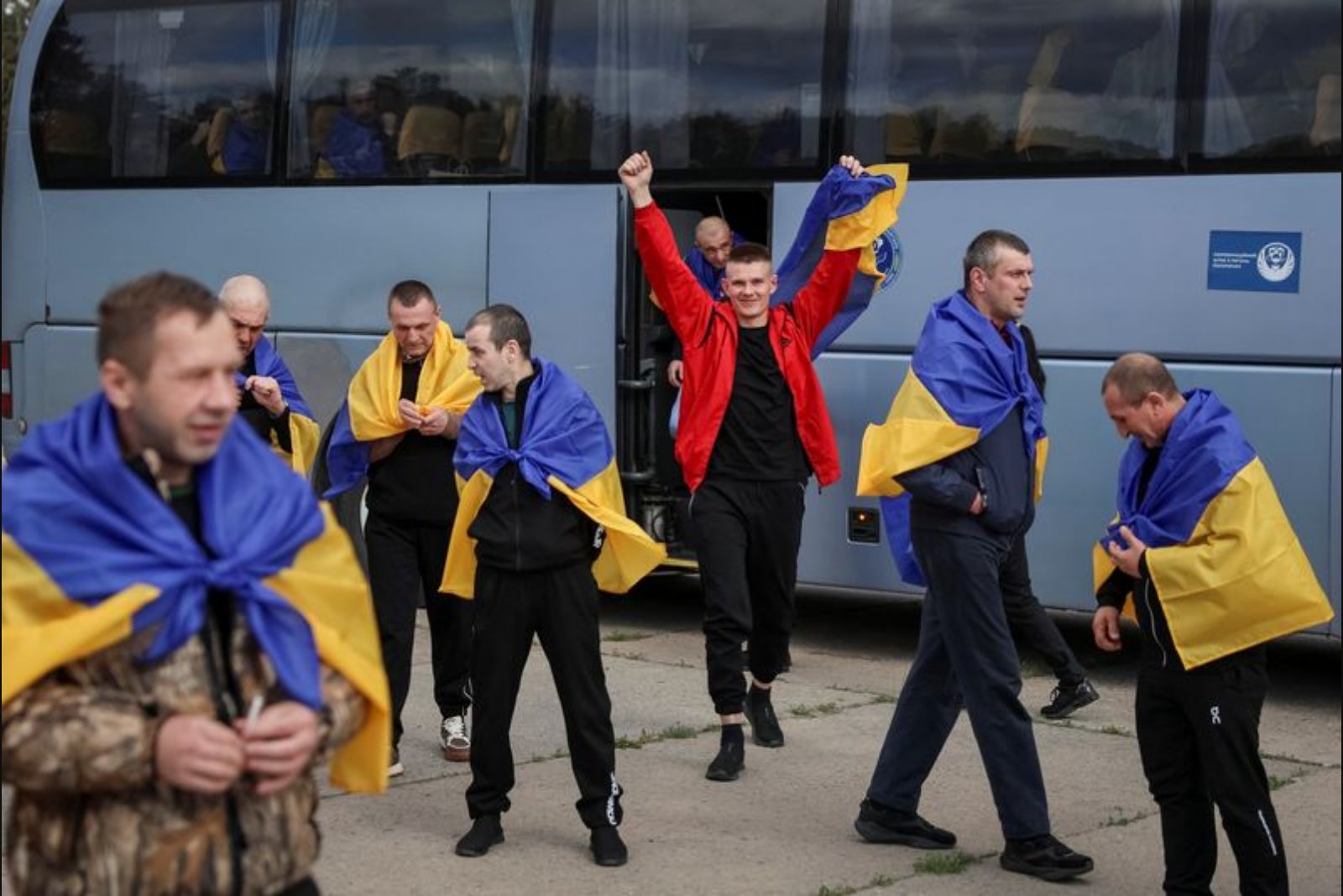
Ukraine and Russia completed a reciprocal exchange of prisoners of war on Friday, with each side handing back 193 captured personnel in a transfer both governments said was aided by the United States and the United Arab Emirates. The announcement of the swap was made by Ukrainian President Volodymyr Zelenskiy, who emphasized the importance of exchanges in a brief post on Telegram.
The assistance of third parties was confirmed by both Kyiv and Moscow. Zelenskiy's chief of staff, Kyrylo Budanov, and Russia's defence ministry each said the U.S. and the UAE had a role in facilitating the operation.
President Zelenskiy described the composition and conditions of the returnees, saying they included soldiers, border guards and police. He added that some of those released were carrying injuries, while others had been subject to criminal charges in Russia.
On the ground in Ukraine, the scene at reception points was emotionally charged. Returning captives disembarked from buses en masse, many wrapped in national flags and visibly overcome. One soldier who identified himself only by his first name, Serhiy, described the moment of return:
"It still hasn’t sunk in that I’m home, I was in captivity for three years ... our Ukrainian sky, our trees -- this is happiness,"reflecting the personal relief felt by some of those freed.
The swap is part of a pattern of exchanges that has continued during more than four years of conflict. Russia and Ukraine have carried out numerous prisoner swaps over that period, returning thousands of captives in total, according to statements from both sides.
The operation underlines the continuing role of external intermediaries in arranging complex transfers of detained personnel. Officials from both capitals publicly acknowledged assistance from the United States and the United Arab Emirates in bringing the latest exchange to completion.
Details released by Ukrainian leadership highlighted the mixed medical and legal status of the returnees, noting injuries among some and legal proceedings affecting others. The arrival of freed captives at reception sites — marked by displays of national symbolism and emotional reunions — underscored the human dimensions of the swap.
No additional operational details were provided by either side in their public statements about the mechanics of the exchange or the identities of all those returned. The authorities did, however, present the transfer as an important step in bringing people back to their home territory.
Key facts:
- Each side returned 193 prisoners of war.
- Both Ukraine and Russia said the United States and the United Arab Emirates assisted with the exchange.
- Returned individuals included soldiers, border guards and police; some were injured and some had faced criminal charges in Russia.