
The Office of the United Nations High Commissioner for Human Rights (OHCHR) has compiled a report indicating repeated attacks on populated areas and residential structures in Lebanon and Israel that may amount to serious breaches of international humanitarian law. The findings focus on incidents occurring during the first three weeks of the latest round of fighting, which began after Hezbollah carried out attacks on Israel on March 2 and prompted a large-scale Israeli military response.
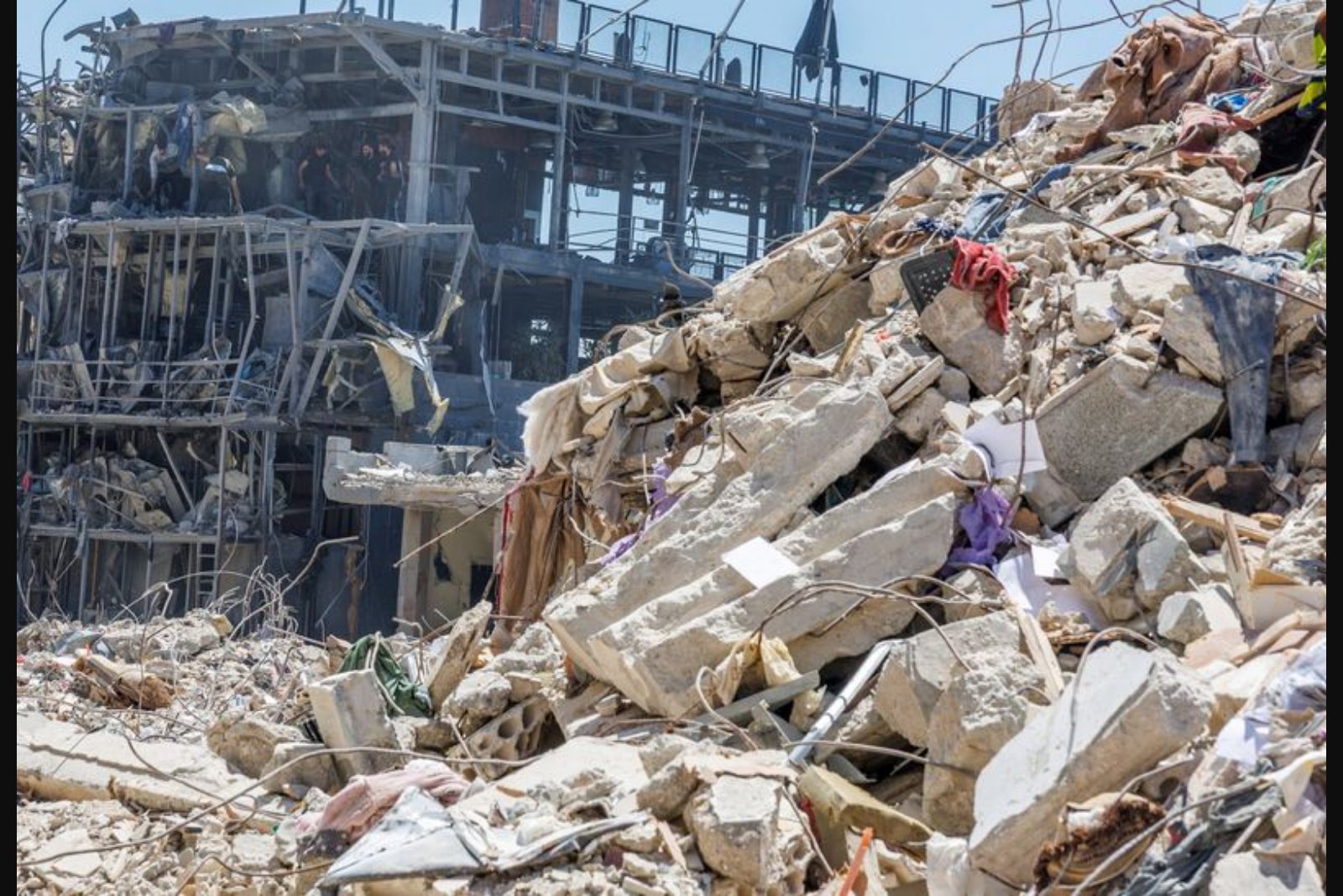
The OHCHR report chronicles multiple cases in which Israeli strikes struck multi-storey residential buildings in Lebanon, with some strikes destroying entire apartment blocks and killing whole families, according to an OHCHR spokesperson. One specific incident cited in the report is an Israeli strike on March 8 that hit a multi-storey residential building in the town of Sir el-Gharbiyeh, located in the Nabatiyeh governorate. That strike is reported to have killed at least 13 civilians who were inside the building, including five women, five men, two boys and a girl.
The office said incidents such as the Sir el-Gharbiyeh strike raise concerns regarding compliance with the core principles of international humanitarian law - distinction, proportionality and precautions in attack. The OHCHR noted that while some Israeli forces issued warnings prior to certain strikes in Lebanon, including blanket evacuation notices, the report identified cases where no warning was given, where warnings were ineffective, or where the warnings prevented many civilians from evacuating to safety.
In parallel, the OHCHR reported that Hezbollah has been firing unguided rockets that lack the precision required to target specific military objectives. The office said such rockets damaged buildings and other civilian infrastructure in Israel and that these actions likely violated international humanitarian law.
The humanitarian toll in Lebanon has been severe. Lebanese authorities have reported that nearly 2,500 people have been killed in Lebanon since the escalation began, and the OHCHR highlighted widespread displacement and heavy damage to civilian infrastructure across affected areas.
The report also addressed attacks on journalists and emergency responders. The OHCHR warned that deliberate attacks on journalists could constitute war crimes. It described an incident in which an Israeli strike on a Wednesday killed Lebanese journalist Amal Khalil and injured the photographer Zeinab Faraj, who had been accompanying her in southern Lebanon. Lebanon's health ministry reported that rescue teams, including personnel from the Lebanese Red Cross, encountered obstruction by the Israeli military while attempting to reach the site. The OHCHR described those obstructions as including the use of a sound grenade and live fire directed at an ambulance, actions that delayed access to the scene.
The Israeli military provided an account of the strike cited in the OHCHR report, saying that Israeli Air Force personnel struck a vehicle and a structure after two vehicles in southern Lebanon were identified as departing a Hezbollah military site and crossing the Forward Defence Line, which the military said posed an immediate threat. The Israeli military said it received reports that two journalists were injured in the incident, that it did not prevent rescue teams from reaching the area, and that it does not intentionally target journalists or medical teams. The army added that the incident is under review.
The OHCHR report is focused on the initial three weeks of the confrontation. The escalation began with Hezbollah attacks on March 2, followed by a large-scale Israeli military offensive. Lebanese officials have attributed almost 2,500 deaths in Lebanon to the fighting, and the OHCHR documented heavy damage to civilian infrastructure and widespread displacement in the country.
Separately, U.S. President Donald Trump announced a three-week extension to a ceasefire on Thursday. The OHCHR findings underscore a range of compliance concerns under international humanitarian law relating to both the conduct of attacks and the protection of civilians, journalists and medical teams during the hostilities.
Summary of findings
- The OHCHR documented strikes on multi-storey residential buildings in Lebanon that killed civilians, including entire families, raising concerns about distinction, proportionality and precautions in attack.
- The office found that Hezbollah fired unguided rockets into Israel that damaged civilian infrastructure and likely violated international humanitarian law.
- Warnings issued by Israeli forces prior to some strikes were not always given, effective, or sufficient to allow safe evacuation, according to the report.
- Attacks on journalists were highlighted as potentially amounting to war crimes if deliberate; one strike killed a Lebanese journalist and injured a photographer, with reports of obstruction to rescue efforts.
The OHCHR report and the incidents it documents are under continuing examination. The accounts cited in the report reflect the office's documentation during the first three weeks of the conflict escalation and the statements provided by Lebanese authorities and the Israeli military regarding particular events.