
Currencies April 24, 2026 10:45 AM

Bessent: Talks on Permanent Dollar Swap Lines Continue with Gulf and Asian Partners

Treasury highlights routine discussions that could bolster dollar liquidity and create new funding centers in Gulf and Asia

By Caleb Monroe
Bessent: Talks on Permanent Dollar Swap Lines Continue with Gulf and Asian Partners

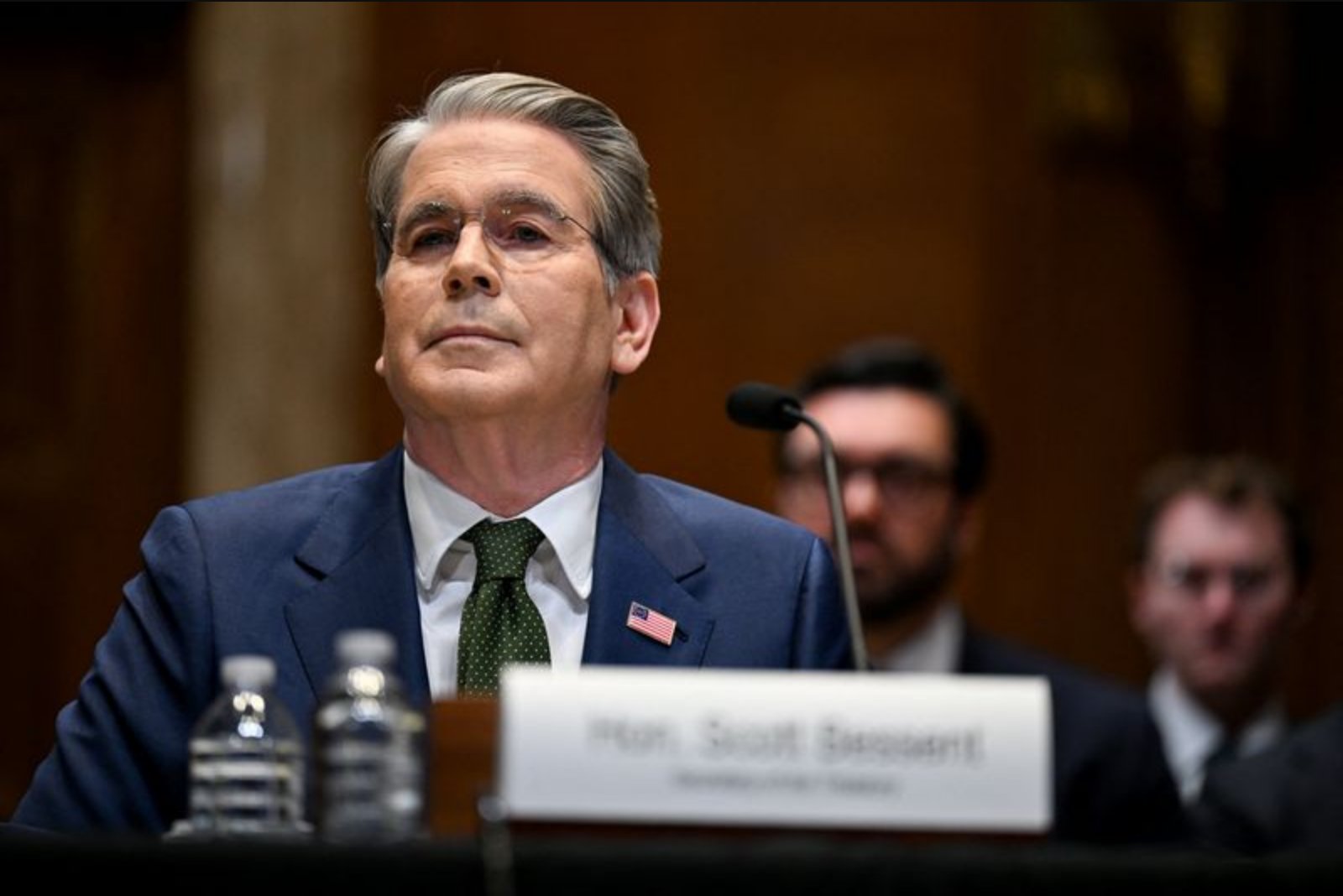
Treasury Secretary Scott Bessent said on April 24 that discussions about expanding U.S. dollar swap lines with Gulf and Asian allies are part of routine diplomatic and financial conversations. In a post on X, Bessent said additional swap lines can reinforce international dollar usage, improve liquidity in dollar funding markets, and support trade and investment with the United States. He also noted several allied countries have strong sovereign balance sheets and sizable dollar reserves, and that some have formally requested swap lines to address energy shocks and fallout from the Iran war.

Key Points

  • Treasury Secretary Scott Bessent said talks over U.S. dollar swap lines are part of routine conversations with Gulf and Asian allies.
  • Bessent stated that "Additional swap lines can benefit our nation by reinforcing dollar usage and liquidity internationally, maintaining smooth functioning in dollar funding markets, promoting trade and investment with the United States."
  • Several allies have requested currency swap lines to address energy shocks and other fallout from the Iran war; many of those countries have "pristine" sovereign balance sheets and large dollar holdings.

April 24 - Treasury Secretary Scott Bessent said on Friday that negotiations over U.S. dollar swap lines form part of ongoing, routine dialogue with partner countries, including allies in the Gulf and in Asia.

In a post on X, Bessent outlined the potential advantages of adding swap arrangements and framed them as standard elements of international financial cooperation. He wrote: "Additional swap lines can benefit our nation by reinforcing dollar usage and liquidity internationally, maintaining smooth functioning in dollar funding markets, promoting trade and investment with the United States."

He emphasized that many of the countries involved maintain strong fiscal positions and substantial dollar holdings, describing their sovereign balance sheets as "pristine." That characterization came alongside praise for allied planning and risk controls: "I applaud our allies’ foresight and watchful risk management by exploring additional financial buffers during periods of market quiescence," he said.

Bessent suggested that extending permanent arrangements could do more than provide contingent liquidity, arguing that "Extending permanent swap lines can be a major first step in creating new U.S. dollar funding centers in the Gulf and Asia." The comment indicates a focus on establishing more durable dollar funding infrastructure in those regions.

Separately, Bessent said on Wednesday that several partners in both the Gulf and Asia have submitted formal requests for currency swap lines from the United States. Those requests, he said, are intended to help address the economic effects of energy price shocks and "other fallout from the Iran war."

The statements present the discussions as routine diplomatic and financial engagement rather than emergency measures, and they underline the Treasury's view that additional swap lines could support international dollar liquidity and cross-border economic activity.


Context and implications

Bessent's remarks highlight both the transactional purpose of swap lines - as temporary liquidity backstops - and the strategic potential of making some arrangements permanent to support dollar funding networks abroad. He explicitly connected the swap line requests he described to efforts by allies to manage risks associated with energy shocks and regional instability tied to the Iran war.

Risks

  • Requests for swap lines are aimed at coping with energy shocks and other fallout from the Iran war, indicating exposure in energy and related markets.
  • Any delay or failure to finalize swap lines could hinder efforts to reinforce dollar liquidity and disrupt smooth functioning in dollar funding markets, affecting global trade and investment flows.
  • Creating permanent swap lines to establish new dollar funding centers in the Gulf and Asia carries implementation and coordination uncertainties between the United States and prospective partner countries.

More from Currencies

Carry Trades Rebound as Market Calm Spurs Demand for Higher-Yield Currencies Apr 24, 2026 Pound Holds Near Recent Lows as Strong UK Retail Sales Offset Gulf-Driven Risk Shock Apr 24, 2026 Asian currencies slide as dollar gains on persistent U.S.-Iran tensions Apr 24, 2026 Markets Monitor Iran Truce Deadline as Dollar Loses Ground Apr 23, 2026 SNB Says It Stands Ready to Act in Forex Markets as Franc Eases Apr 23, 2026