
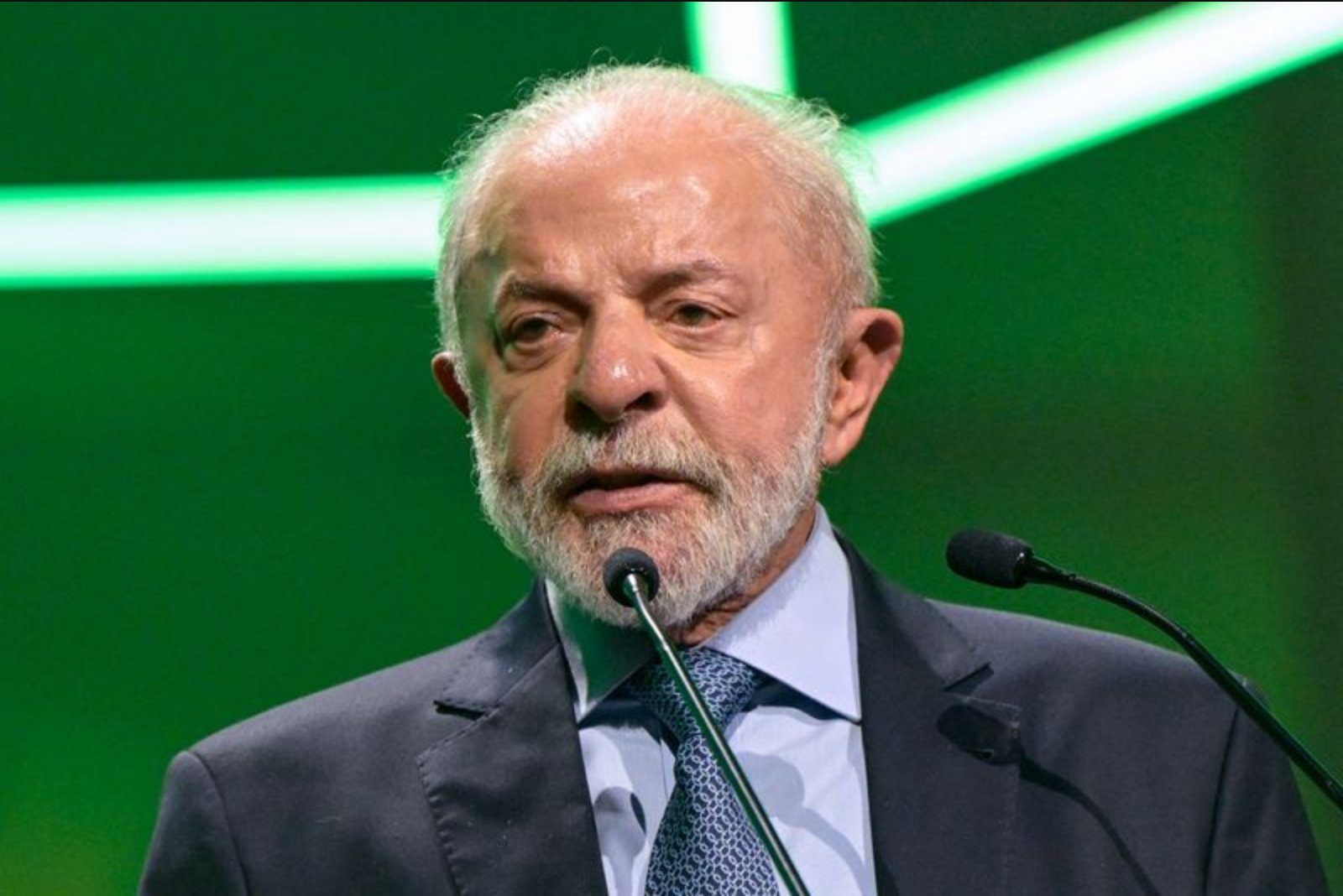
Brazil may reciprocate after the United States expelled a Brazilian federal police attache, President Luiz Inacio Lula da Silva said on Tuesday. Speaking to reporters in Hannover, Germany, Lula said he did not yet know all the facts but that Brazil would respond if there had been an abuse by U.S. authorities in the incident involving the Brazilian official.
"We cannot accept this interference and abuse of authority that some Americans want to exert over Brazil," Lula told reporters. The U.S. embassy in Brasilia was not immediately available to comment on the matter.
The U.S. government on Monday announced in a post on X that it would expel a Brazilian official allegedly connected to the arrest of former Brazilian federal lawmaker Alexandre Ramagem by U.S. immigration police last week. The initial post did not identify the individual by name.
Subsequently, the U.S. embassy in Brasilia confirmed to Reuters that the official named in the announcement was Marcelo Ivo de Carvalho. Carvalho serves as the Brazilian federal police attache in Miami and acted as the Brazilian government's liaison with the U.S. immigration agency ICE.
Ramagem was detained briefly by U.S. immigration authorities and was later released. He had left Brazil in September after being convicted for plotting a coup with former President Jair Bolsonaro.
In his remarks from Hannover, Lula stressed that Brazil could act in kind if U.S. authorities had overstepped. He said he did not know the full particulars of the case at the time of speaking but framed the potential response as a defense against what he described as interference and abuse of authority.
The situation centers on a Brazilian law enforcement official who maintained a liaison role with U.S. immigration authorities and on the brief detention of a former Brazilian lawmaker who had fled the country following his conviction. Details remain limited in public statements, with Lula acknowledging gaps in his own information while warning of possible reciprocal diplomatic measures.
The development highlights a point of friction between the two countries tied to immigration enforcement and the role of liaison officials. How far either government will go in terms of formal diplomatic actions or further public statements has not been disclosed.