
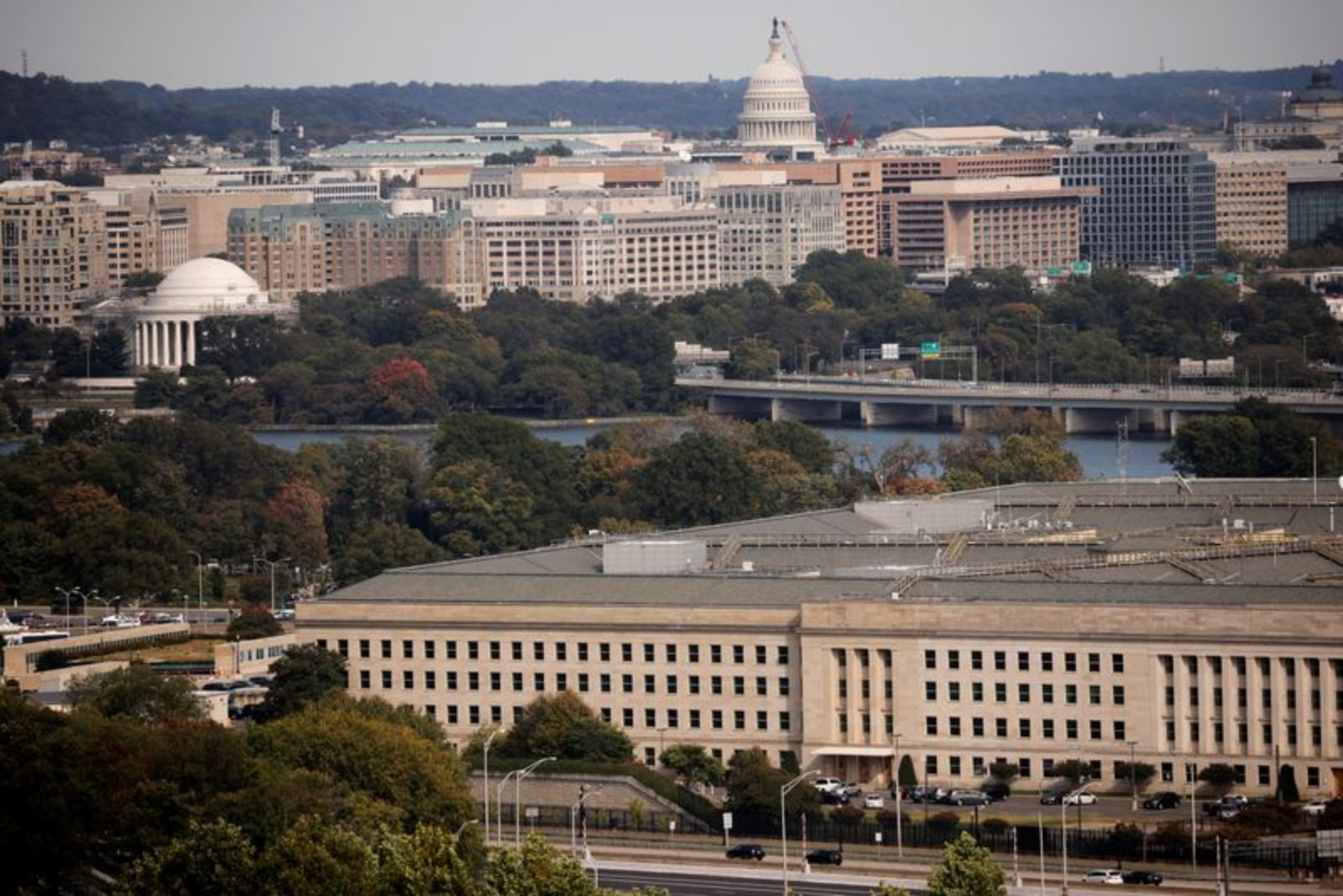
The Pentagon on Tuesday provided expanded details about President Donald Trump’s $1.5 trillion budget request for fiscal year 2027, which officials described as the largest year-over-year increase in defense spending in the post-World War Two era.
In a notable structural change, Pentagon officials said the budget creates a new category called "presidential priorities." That category groups investments in Golden Dome missile defense, efforts to achieve drone dominance, investments in artificial intelligence and data infrastructure, and support for the defense industrial base.
Officials also placed specific procurement numbers on major platforms. Shipbuilding receives a substantial allocation - just over $65 billion - to fund the purchase of 18 warships and 16 support vessels. Those ships are to be built by General Dynamics and Huntington Ingalls Industries as part of what the Pentagon labels the "Golden Fleet" initiative; officials called this the largest shipbuilding request since 1962.
On the aviation side, the budget proposal increases Lockheed Martin F-35 procurement to 85 aircraft per year and designates $102 billion for aircraft procurement and related research and development, a 26% increase relative to the prior year. Officials also flagged development of next-generation systems, citing the Boeing Co F-47 fighter jet as a priority, and requested $6.1 billion for Northrop Grumman’s B-21 bomber.
For context on recent spending trends cited by Pentagon officials, last year the administration sought a national defense budget of $892.6 billion, then added a $150 billion supplemental request, pushing the total past $1 trillion for the first time.
Key points
- Overall request totals $1.5 trillion for FY2027, the largest single-year increase in the post-World War Two period, according to Pentagon officials.
- Shipbuilding is a major focus, with more than $65 billion to procure 18 warships and 16 support ships under the "Golden Fleet" initiative, built by General Dynamics and Huntington Ingalls Industries.
- Aircraft procurement and R&D are funded at $102 billion - a 26% rise over the prior year - with F-35 buys increased to 85 per year and $6.1 billion requested for the B-21 bomber.
Risks and uncertainties
- Budget figures are proposals and subject to congressional review and approval, creating uncertainty for defense contractors and suppliers involved in shipbuilding and aerospace production.
- The creation of a new "presidential priorities" category concentrates funding on selected technologies - including missile defense, drones, AI and data infrastructure - which may reallocate resources across the defense industrial base.
- Heavy procurement ramps could strain industrial capacity and supply chains for shipyards and aerospace manufacturers if approved as proposed.
The Pentagon framed the request as a broad push to expand naval, air and advanced technology capabilities while reinforcing the industrial base that supplies those systems. Officials characterized the package as a deliberate shift in priorities, with the new "presidential priorities" label grouping efforts intended to accelerate missile defense, unmanned systems and data-driven capabilities alongside traditional platform buys.
Officials noted the shipbuilding component is the most significant since the early 1960s and emphasized the role of major shipbuilders in executing the orders. On aircraft, the combination of increased F-35 procurement, substantial aircraft procurement and R&D funding, and investment in next-generation systems highlights the administration’s stated focus on airpower modernization.
Beyond the headline dollar amounts, the Pentagon’s presentation signals where procurement and industrial support will be concentrated if the plan moves forward through the appropriations process.