
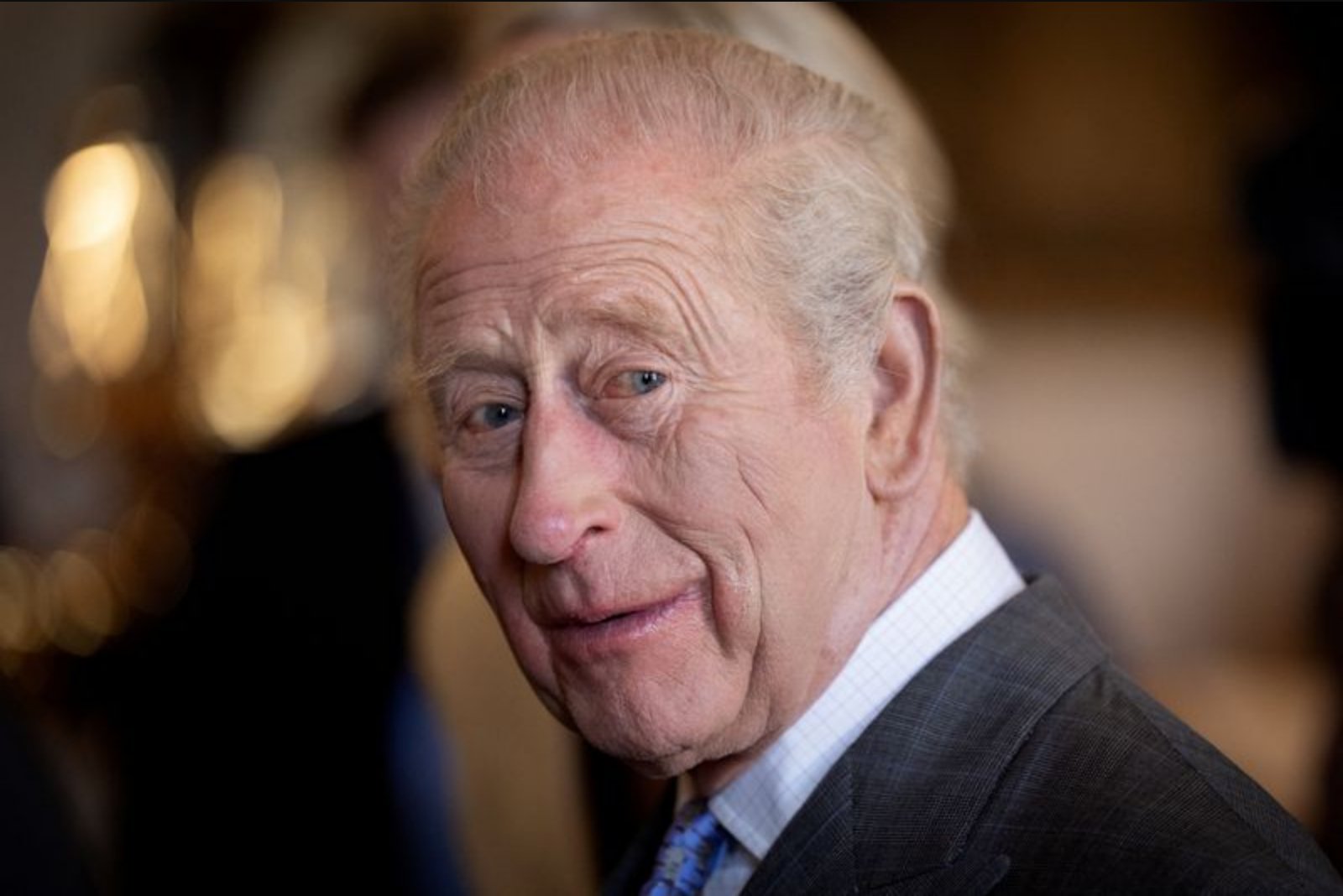
King Charles will travel to the United States next week for what is being billed as the most prominent overseas visit of his reign to date, a mission focused on reaffirming the long-term partnership between Britain and the United States even as official relations face acute strain.
The state visit coincides with the 250th anniversary of the U.S. declaration of independence from British rule, an event that marked the split from King George III, identified in family records as Charles’s five-times-great-grandfather. For the king, the trip is framed as a moment to reflect on the arc of bilateral cooperation that has produced close security, military and economic ties. For U.S. President Donald Trump, the itinerary presents another opportunity to publicly celebrate his affinity for the British royal family.
Officials and observers describe the timing of the visit as significant precisely because of the frictions now visible between the two governments. The war involving Iran has driven relations between London and Washington to levels described by some as the worst since the Suez Crisis in 1956. President Trump has repeatedly criticised British Prime Minister Keir Starmer for declining to join an attack on Iran and has made dismissive comments about Britain’s military capabilities.
Nigel Sheinwald, who served as Britain’s ambassador to Washington from 2007 to 2012, said the state visit is not intended to resolve immediate disputes between governments but to demonstrate the deeper foundations of the alliance. "Pretty much more than any other visit, this is about the long term. This is about the fundamentals of the relationship between our peoples, our countries," Sheinwald said. "It’s not about what’s going on today."
Accompanied by Queen Camilla, Charles will begin a four-day programme on Monday with a private tea with President Trump. His schedule also includes an address to the U.S. Congress, a state dinner and visits to New York and Virginia.
Buckingham Palace has stated that Charles will not meet survivors of Jeffrey Epstein during the trip. Separately, the king’s brother, Andrew Mountbatten-Windsor, was arrested in February on suspicion of leaking government documents to Epstein; the former Prince Andrew has denied any wrongdoing.
The visit has prompted debate within Britain. Some politicians and commentators argued the trip should be cancelled in light of recent remarks by President Trump. There are concerns the unpredictable tone of the U.S. president could produce further public criticisms that might embarrass the king. Both Sheinwald and the current U.S. ambassador to London, Warren Stephens, warned that such conduct would be damaging.
Royal aides, speaking privately, noted that President Trump behaved faultlessly during his two previous state visits to Britain in 2019 and last year. Robert Hardman, a royal biographer, described Trump as "a huge royalist," saying the president separates his views of the British government from his affection for the monarchy. Hardman added that Trump "adored the late queen" and is "a big fan of the king," calling Charles’s trip a "big moment" for the president.
Observers have drawn parallels between this visit and the tour made by Queen Elizabeth in 1957, a year after the Suez Crisis unsettled relations between Britain and the United States. That earlier visit is credited with helping to smooth bilateral ties; U.S. President Dwight Eisenhower at the time stressed the affection Americans felt for the royal family and the respect held for Britain. "The respect we have for Britain is epitomized in the affection we have for the royal family, who have honoured us so much by making this visit to our shores," Eisenhower said.
The soft power of the monarchy is a quality Charles has cultivated over decades of diplomatic engagement. Supporters point to instances where the king’s private interventions have influenced U.S. commentary; Hardman said he understood President Trump retracted comments about British and other NATO troops remaining off the frontline in Afghanistan after receiving private messages from the king indicating he was wrong.
Diplomats say the private audience between Charles and the president will allow frank exchanges. At the same time, Hardman emphasised that a monarch’s role is not to critique government policy. "That’s just simply not the role of a monarch, and it’s certainly not the purpose of a state visit," he said. "This will be all about looking back on all those ... shared endeavours between two great allies and ... looking forward, possibly try to ... not look too closely at the present."
The visit is therefore intended as a long-term statement of partnership rather than a short-term remedy to current governmental disputes. Its organisers appear to be placing emphasis on continuity and the deeper ties of people-to-people and institutional cooperation, even as political leaders on both sides trade sharp public criticisms.
As the state visit approaches, officials will be tasked with balancing ceremonial commemoration, opportunities for private diplomacy and the risk that high-profile public moments could draw fresh controversy. The planning suggests an effort to foreground enduring links and symbolic gestures that point to shared security, military and economic interests, while limiting encounters that might inflame domestic sensitivities or provoke headline-making exchanges.
How the trip is received in both capitals - among politicians, commentators and the public - will shape immediate perceptions of whether symbolic diplomacy can reinforce foundations strained by recent events, or whether deeper political disagreements will continue to dominate the bilateral agenda.